How to Tell If Your Dog Is Too Cold: What I Learned as a Dog Owner
- 1. Why-Dogs-Get-Cold-More-Than-We-Think
- 2. Clear-Signs-Your-Dog-Is-Too-Cold
- 3. Factors-That-Affect-Your-Dogs-Cold-Tolerance
- 4. Practical-Ways-to-Keep-Your-Dog-Warm
- 5. Real-Life-Experience-That-Changed-My-Approach
I used to assume that dogs were naturally built for the cold. After all, they have fur, right? But one winter evening changed my perspective completely. My dog, who usually loved being outside, suddenly became quiet, curled up tightly, and refused to move. That moment made me realize how important it is to understand how to tell if your dog is too cold.
Dogs, just like humans, can struggle in low temperatures. Not all breeds are built the same. While some dogs thrive in cold climates, others—especially small breeds or those with short coats—are much more vulnerable. The more I learned, the more I realized that recognizing early signs is critical to preventing serious health risks.

2. Clear Signs Your Dog Is Too Cold
When I started paying closer attention, I noticed that dogs show very clear signals when they’re uncomfortable in the cold. These signs may seem subtle at first, but they quickly become obvious once you know what to look for.
1. Shivering and Trembling
One of the first signs I noticed was shivering. Just like us, dogs shiver to generate heat. If your dog is trembling, it’s a clear indication that their body is struggling to stay warm.
2. Curling Up or Seeking Warmth
My dog would suddenly curl into a tight ball or try to hide under blankets. Dogs instinctively try to conserve heat by reducing exposed body surface.
3. Slowing Down or Lethargy
A cold dog often becomes less active. I remember noticing my dog walking slower than usual and refusing to continue our walk. That was a strong signal that it was time to head back indoors.
4. Cold Ears and Paws
When I touched my dog’s ears and paws, they felt noticeably cold. This is one of the easiest physical checks you can do during winter outings.

3. Factors That Affect Your Dog’s Cold Tolerance
Not every dog reacts to cold weather in the same way. I learned this after comparing my dog to a friend’s husky, who seemed completely unfazed by freezing temperatures.
1. Breed and Coat Type
Dogs with thick, double-layer coats are naturally more resistant to cold. In contrast, short-haired breeds lose body heat much faster.
2. Size and Body Fat
Smaller dogs tend to get cold quicker because they have less body mass to retain heat. My dog, being relatively small, was much more sensitive than larger breeds.
3. Age and Health Condition
Puppies and senior dogs are more vulnerable. Additionally, dogs with health issues may struggle to regulate their body temperature effectively.
Understanding these factors helped me adjust how I cared for my dog during colder months.
4. Practical Ways to Keep Your Dog Warm
Once I understood how to tell if your dog is too cold, I started making simple but effective changes to keep my dog comfortable.
1. Use Dog Sweaters or Jackets
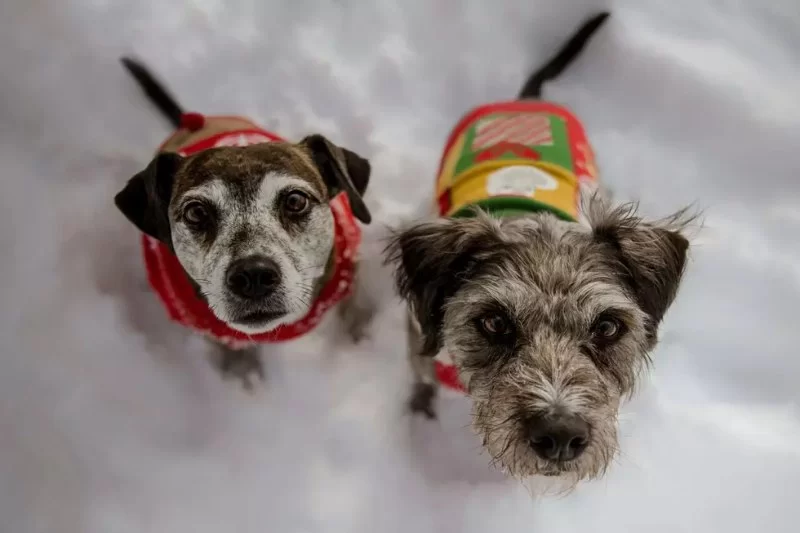
I used to think dog clothing was just for style, but it actually makes a huge difference. A well-fitted sweater helps retain body heat during walks.
2. Limit Outdoor Time
Instead of long walks, I began taking shorter, more frequent trips outside. This reduced my dog’s exposure to cold temperatures.
3. Provide Warm Bedding Indoors
At home, I made sure my dog had a warm, cozy sleeping area away from drafts. Adding extra blankets made a noticeable difference.
4. Dry Them Quickly After Getting Wet
Wet fur accelerates heat loss. After rainy or snowy walks, I always dry my dog thoroughly to prevent chilling.
When I needed more guidance, I found helpful advice and product suggestions from Hidden Brook Veterinary, which gave me confidence that I was doing the right things.
5. Real-Life Experience That Changed My Approach
One experience stands out clearly. I once took my dog out on what I thought was a mild winter day. After about fifteen minutes, I noticed he stopped walking and lifted his paws off the ground repeatedly. At first, I didn’t understand what was happening.
Then it hit me—his paws were too cold. I carried him home, warmed him up, and felt guilty for not recognizing the signs sooner.
That moment completely changed how I approach cold weather with my dog. Now, I always pay attention to the early signals, check the temperature, and prepare accordingly before heading outside.
Learning how to tell if your dog is too cold isn’t just about comfort—it’s about protecting their health and well-being. Once you start noticing the signs, it becomes second nature to keep your dog safe, warm, and happy no matter how low the temperature drops.