Best Flea and Tick Prevention Methods for Dogs and Cats
- why flea and tick prevention matters for pets
- common flea and tick prevention methods explained
- a real experience dealing with fleas and ticks
- how to choose the right prevention method
- expert tips to protect your pets year round
I still remember the first time I realized how serious flea and tick problems could be. It started with my dog scratching more than usual. At first, I thought it was just dry skin or a minor irritation. Within a few days, it became clear something else was going on. That experience pushed me to learn everything I could about the best flea and tick prevention methods for dogs and cats.
What I discovered is that prevention is not just about comfort—it’s about protecting your pet’s overall health.

Why Flea and Tick Prevention Matters More Than Most Owners Think
Before that experience, I underestimated how quickly fleas and ticks could become a serious issue.

1. Health Risks Beyond Itching
Fleas don’t just cause irritation. They can lead to allergic reactions, skin infections, and even transmit parasites. Ticks are even more concerning because they can carry diseases that affect both pets and humans.
2. Rapid Infestation Cycles
One thing that surprised me was how fast fleas reproduce. A few fleas can turn into a full infestation in a short period of time if not addressed early.
3. Indoor and Outdoor Exposure
I used to think indoor pets were safe. But fleas can easily enter your home through clothing, shoes, or other animals. Prevention needs to be consistent regardless of your pet’s lifestyle.
Common Flea and Tick Prevention Methods Explained
After researching and talking to professionals, I realized there are several effective approaches. Each has its own advantages depending on your pet’s needs.
1. Topical Treatments
These are applied directly to your pet’s skin, usually once a month.
1. Easy to apply and widely available
2. Provides long-lasting protection
3. Works by spreading through the skin’s oils
2. Oral Medications
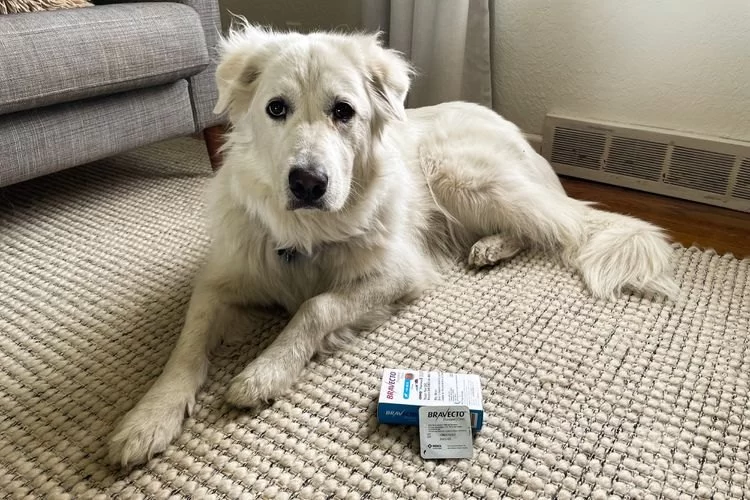
These treatments come in chewable form and work from within.
1. Convenient for pets that dislike topical solutions
2. Often fast-acting against fleas
3. Requires consistent dosing
3. Collars and Preventative Accessories
Flea and tick collars release active ingredients over time.
1. Long-term protection lasting several months
2. Minimal maintenance once applied
4. Natural and Environmental Methods
Some pet owners prefer natural approaches, such as herbal sprays or frequent cleaning routines. While helpful, I’ve learned these are best used alongside more reliable treatments.
If you’re unsure which method fits your pet best, consulting professionals through Hidden Brook Veterinary can provide tailored recommendations based on your pet’s health and environment.
A Real Experience That Changed My Approach to Prevention
One situation completely reshaped how I think about flea and tick control.
1. The Initial Signs
My dog started scratching constantly, especially around the neck and back. I didn’t act immediately, assuming it would pass.
2. The Escalation
Within days, I noticed small dark specks on the bedding and more irritation on the skin. That’s when I realized I was dealing with fleas.
3. The Lesson Learned
After treating both my pet and the environment, I understood the importance of consistent prevention. It’s much easier to prevent fleas and ticks than to eliminate them once they spread.
How to Choose the Right Flea and Tick Prevention Method
Choosing the best flea and tick prevention methods for dogs and cats depends on several factors.
1. Your Pet’s Lifestyle
Pets that spend more time outdoors may require stronger or more frequent protection compared to indoor pets.
2. Age and Health Conditions
Puppies, kittens, and older pets may need specific formulations. Always consider your pet’s overall health when selecting a product.
3. Ease of Use and Consistency
The best method is one you can use consistently. Whether it’s a monthly topical or a chewable tablet, reliability is key.
Expert Tips to Keep Your Pets Protected Year Round
Over time, I’ve picked up a few habits that make a significant difference.
1. Maintain a Regular Prevention Schedule
Skipping treatments can leave gaps in protection. Consistency is more important than the specific product you choose.
2. Keep Your Home Environment Clean
Vacuuming, washing bedding, and maintaining your living space helps reduce the risk of infestation.
3. Perform Routine Checks
After outdoor activities, I always check my pet’s fur for ticks or unusual signs. Early detection can prevent bigger problems.
4. Stay Informed and Seek Professional Advice
New products and recommendations are constantly evolving. Staying informed and consulting trusted sources like Hidden Brook Veterinary ensures you’re using the safest and most effective options.
Understanding the best flea and tick prevention methods for dogs and cats has completely changed how I care for my pets. It’s not just about avoiding discomfort—it’s about giving them a healthier, safer life. Once you build the right routine, prevention becomes second nature, and your pets can enjoy their days without constant irritation or risk.