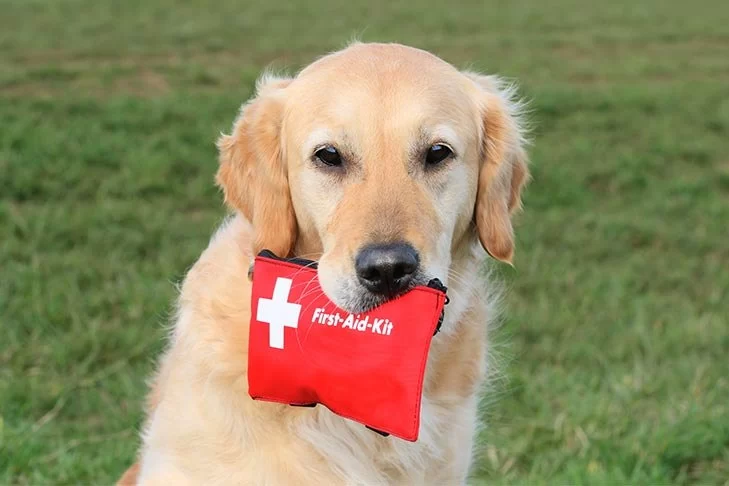
Essential First Aid Tips for Pet Emergencies at Home
When I first brought home my energetic Labrador, Max, I never imagined that I would quickly need to learn first aid for pets. From minor cuts to sudden choking incidents, pet emergencies can happen in a split second, and knowing how to respond can make all the difference. Over time, I’ve gathered essential tips and strategies that every pet owner should know to handle emergencies confidently at home.

1. Recognizing Common Pet Emergencies
Early recognition is the first step. I remember one evening Max started coughing violently after chewing on a small toy piece. Choking is a frequent emergency, and it can be life-threatening. Other signs I’ve noticed in pets include persistent vomiting, difficulty breathing, bleeding, sudden lethargy, or seizures. Learning to identify these warning signs quickly can save your pet’s life.
Another situation I faced was when Max suddenly refused to eat and became unusually quiet. This subtle behavioral change turned out to be a sign of gastrointestinal distress. Observing your pet’s normal behavior is crucial because even small deviations can indicate a serious underlying issue.

2. Handling Choking and Airway Obstructions
During the choking incident with Max, I immediately performed a modified Heimlich maneuver. For small dogs, I gently held them upside down by their hind legs and applied light abdominal pressure. For larger dogs, standing behind them and pressing the abdomen upward can help dislodge the object. I learned that it’s important to stay calm because panicking can worsen the situation.
Always have a list of emergency contacts, including your veterinarian and local pet emergency clinics like Hidden Brook Veterinary. They can provide step-by-step instructions over the phone while you stabilize your pet.
3. Treating Minor Cuts and Wounds
One afternoon, Max cut his paw on a sharp garden tool. I cleaned the wound with lukewarm water and mild antiseptic, applied gentle pressure to stop the bleeding, and then used a sterile bandage. Monitoring the wound for signs of infection, such as redness, swelling, or discharge, is essential. I keep a dedicated pet first aid kit at home with antiseptics, bandages, and gauze to ensure I’m always prepared.
Even small cuts can become infected quickly, so never underestimate minor injuries. In cases of deep lacerations or uncontrolled bleeding, immediate professional care is required.
4. Managing Burns and Heat-Related Issues
During a particularly hot summer, Max accidentally brushed against a hot oven. Immediate cooling is critical. I applied cool (not ice-cold) water to the burn and then wrapped it lightly with a clean cloth. Heatstroke is another common emergency in pets, especially dogs left in cars or outdoors during high temperatures. Signs include heavy panting, drooling, vomiting, and collapse.
In such cases, gradually cooling the pet with water or fans and seeking urgent veterinary care is essential. I learned to never leave pets in parked cars, even for a few minutes, as temperatures rise dangerously fast.
5. Addressing Seizures and Sudden Collapses
Seeing Max have a seizure for the first time was terrifying. The key is to keep him safe from nearby objects and avoid putting your hands in his mouth. Timing the seizure duration is important because seizures lasting more than five minutes require immediate veterinary attention. I stayed calm, spoke softly to comfort him, and documented the episode to share with the veterinarian.
Having a quiet, safe space ready for pets to recover post-seizure can prevent further injuries. I also learned that some pets may experience post-seizure disorientation and require gentle care until they regain normal function.
6. Poisoning and Toxic Exposure
Accidental ingestion of household substances, plants, or human medications is a common emergency. One day, Max chewed on a leftover chocolate bar. I immediately called Hidden Brook Veterinary for advice. They instructed me on whether to induce vomiting or seek immediate treatment based on the toxin. Keeping the ASPCA Poison Control number handy is another great precaution.
Pet-proofing the home by storing medications, cleaning supplies, and hazardous plants out of reach can prevent such incidents. Quick response, combined with professional guidance, often determines the outcome of poisoning emergencies.
7. Assembling a Comprehensive Pet First Aid Kit
Through my experiences, I’ve learned the importance of being prepared. A well-stocked pet first aid kit should include:
- Gauze pads, bandages, and adhesive tape
- Antiseptic solutions suitable for pets
- Digital thermometer and tweezers
- Hydrogen peroxide (for vomiting under professional guidance)
- Emergency contact numbers and a copy of your pet’s medical records
Having these supplies ready and knowing how to use them builds confidence and ensures timely intervention during emergencies.
8. The Importance of Professional Support
While home first aid is crucial, professional care is irreplaceable. Emergencies such as severe bleeding, prolonged seizures, or difficulty breathing require immediate veterinary attention. Facilities like Hidden Brook Veterinary offer emergency services, guidance, and advanced treatment that cannot be replicated at home.
By combining knowledge, preparedness, and professional support, I feel more confident managing pet emergencies, knowing I can give Max the best chance of a full recovery.