Understanding Why Cats Love Hiding Spots and Supporting Their Instincts
- 1-The-Instinctual-Need-for-Hiding
- 2-How-Hiding-Reduces-Stress
- 3-Creating-Safe-Hiding-Spaces-at-Home
- 4-Enrichment-and-Play-to-Support-Hiding
- 5-Real-Life-Stories-of-Hidden-Cats
- 6-When-to-Consult-a-Veterinarian
1. The Instinctual Need for Hiding
As a cat owner, I’ve always noticed my feline sneaking into corners, under beds, or behind furniture. Why cats love hiding spots is deeply rooted in their instincts. In the wild, cats use hiding both to hunt stealthily and to avoid predators. Even domesticated cats retain this primal behavior. Observing my own cats, I realized that their small secret spaces provide them a sense of control over their environment, which is especially important in a home filled with activity and unfamiliar noises.
These hiding spots act as safe zones, offering refuge when they feel uncertain or want to rest undisturbed. It’s fascinating how even the simplest cardboard box or a covered cat bed can fulfill this instinctual need.

2. How Hiding Reduces Stress
Over time, I noticed that whenever my cats retreat to their favorite hideaways, they seem calmer and less reactive to household chaos. Studies show that providing cats with places to hide significantly reduces stress and anxiety. In multi-cat households or during events like fireworks, these spaces are critical.
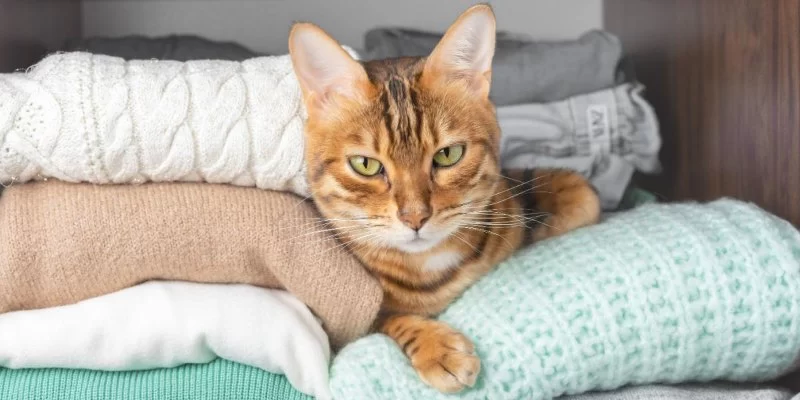
Understanding that hiding helps cats feel secure changed how I approach their daily care. Instead of discouraging them from hiding, I make sure they have accessible areas that are quiet, elevated, or enclosed. Even simple measures, like a blanket over a chair or a cat tunnel, can provide that much-needed comfort.

3. Creating Safe Hiding Spaces at Home
To support my cats’ natural instincts, I set up a variety of cat safe spaces around my home. Elevated shelves, covered cat beds, and even small nooks behind furniture work beautifully. I rotate these spaces periodically, which keeps my cats curious and engaged while respecting their need for privacy.
It’s also important to ensure these spaces are stress-free. I avoid high-traffic areas and loud spots near doors or windows with heavy street noise. Soft bedding, dim lighting, and a small cat toy nearby make these hideaways both comfortable and enticing.
4. Enrichment and Play to Support Hiding
While cats love hiding, providing enrichment is equally important. I’ve found that combining hideaways with interactive play helps maintain their physical and mental health. Puzzle feeders placed near a cozy nook or dangling toys around their favorite boxes encourage activity without removing the safety element of their space.
This approach aligns with the principle that hiding and enrichment work together. My shy cat, for example, spends hours inside her cat tree hideaway watching her surroundings, then emerges to engage with me during play sessions, showing both comfort and curiosity.
5. Real-Life Stories of Hidden Cats
I remember a neighbor sharing how their new kitten spent the first week under the sofa, refusing to interact. By creating several hideaways with soft blankets and gentle encouragement, the kitten gradually began exploring and bonding with the family. This story perfectly illustrates why cats love hiding spots and how patience and understanding can build trust.
Another case involved a senior cat recovering from surgery. Providing multiple safe spots throughout the house allowed her to rest securely while maintaining her independence. Observing her gradually venture out reassured me that these spaces were essential for her well-being.
6. When to Consult a Veterinarian
While hiding is natural, excessive or sudden hiding can indicate stress, illness, or pain. I always recommend monitoring changes in behavior. If your cat is withdrawing more than usual, eating less, or showing signs of discomfort, a visit to Hidden Brook Veterinary is crucial. Their professional insights can help determine if the hiding is a normal instinct or a sign of an underlying problem.
By combining careful observation, supportive hideaways, and veterinary guidance, you can ensure your cat thrives while honoring their instinctual love for hiding spots.