How to Tell If Your Dog Is Too Hot During Summer — Essential Tips for Pet Safety
- -signs-your-dog-is-overheating-#overheating-signs
- -preventing-heat-stress-in-dogs-#heat-stress-prevention
- -cooling-strategies-and-safe-practices-#cooling-strategies
- -real-life-examples-and-owner-stories-#owner-stories
- -veterinary-resources-and-recommendations-#vet-resources
1. Recognizing the Signs Your Dog Is Too Hot
On a particularly hot July afternoon, I noticed my Labrador, Max, panting more heavily than usual, drooling excessively, and struggling to keep his balance after a short walk. These are classic signs that a dog may be overheating. Other indicators include rapid breathing, lethargy, bright red gums, vomiting, or even uncoordinated movements. As a pet owner, paying close attention to changes in behavior or physical state is crucial. Understanding these signs early can prevent heatstroke, which can be life-threatening.
Some breeds, especially brachycephalic dogs like Bulldogs or Pugs, are more susceptible due to their shorter airways. Observing your dog's reactions to warm temperatures is key to identifying when they are approaching dangerous heat levels.

2. Preventing Heat Stress in Dogs
Prevention is always better than intervention. I make sure to avoid walking my dog during the peak heat hours, usually from 10 a.m. to 4 p.m., and choose shaded paths whenever possible. Providing constant access to fresh water, using cooling mats, and even misting dogs with water during outdoor play sessions are effective strategies. In my experience, dogs respond positively to shaded breaks and small water bottles on long walks.
Additionally, grooming plays a role in heat management. Regularly brushing to remove excess fur and ensuring proper coat care helps dogs regulate temperature more efficiently. It's a small effort that makes a big difference during scorching summer days.
3. Cooling Strategies and Safe Practices
When Max once showed signs of overheating, I immediately placed him in a cool, shaded area and offered water in small, frequent sips. Applying damp towels to his paws and belly helped lower his body temperature gradually. Avoid using ice-cold water directly on the skin, as this can cause shock. Monitoring your dog's breathing and heart rate during cooling is essential to ensure safety.
Investing in portable fans or cooling vests for dogs can also make outdoor activities safer. Even simple measures, like creating a shaded area in the backyard or using frozen water bottles in their resting area, provide significant relief during high-temperature days.
4. Real-Life Examples and Owner Stories
One memorable story comes from a friend whose Golden Retriever, Bella, became disoriented on a summer hike. They quickly moved her to shade, offered water, and contacted their veterinarian for advice. This rapid response prevented a potential emergency. Sharing such experiences emphasizes the importance of preparedness and vigilance.
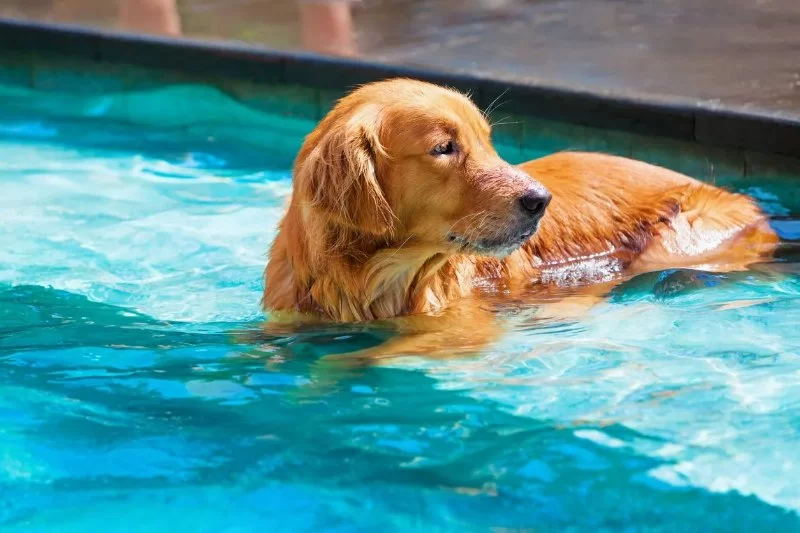
Another instance involved a neighbor using a kiddie pool in their yard. Their dog, initially reluctant, soon enjoyed brief cooling breaks. This highlights how creative solutions can keep dogs safe and comfortable while enjoying summer activities.
5. Veterinary Resources and Recommendations
For pet owners seeking professional guidance, Hidden Brook Veterinary provides resources on recognizing heat-related issues and offers practical advice for summer safety. Routine checkups can also identify underlying conditions that may increase a dog’s susceptibility to heat stress, such as obesity or heart problems. Consulting with a vet before the heat peaks ensures that you have a tailored plan to keep your dog healthy and safe during summer months.
Implementing these strategies and staying alert to your dog's physical cues transforms potentially dangerous situations into manageable ones, allowing for safe and enjoyable outdoor experiences together.