- 1-Understanding-Nighttime-Meowing
- 2-Common-Reasons-Cats-Meow-at-Night
- 3-Behavioral-and-Health-Considerations
- 4-Practical-Tips-to-Reduce-Night-Meowing
- 5-Real-Life-Examples-and-Success-Stories
- 6-When-to-Consult-a-Veterinarian
1. Understanding Why Your Cat Keeps Meowing at Night
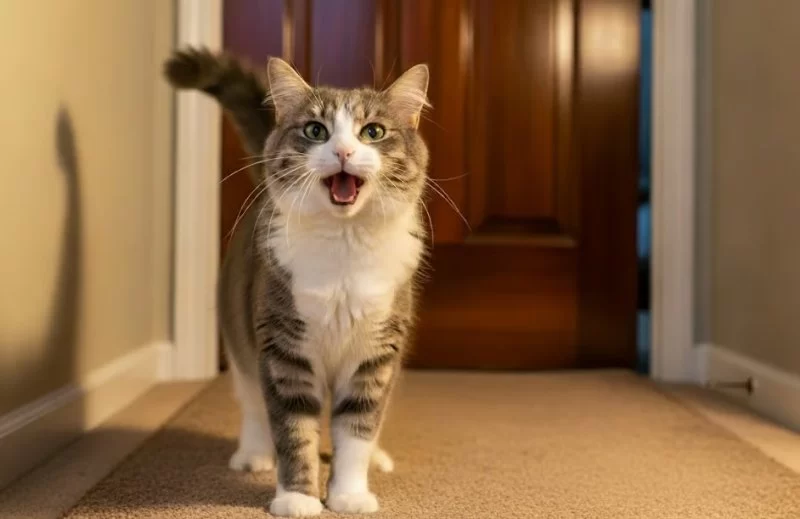
Many cat owners struggle with nocturnal meowing, and it often raises the question: Why Your Cat Keeps Meowing at Night and How to Help. Understanding your cat’s nighttime behavior is the first step to addressing it. Cats are naturally crepuscular, meaning they are most active during dawn and dusk. However, environmental factors, diet, and health issues can extend activity into the late-night hours, prompting persistent meowing.
Recognizing that meowing is a form of communication helps owners interpret what their cat might be signaling, whether it is hunger, loneliness, discomfort, or stress.

2. Common Reasons Cats Meow at Night
2.1 Hunger or Thirst
Cats may meow during the night if their last meal was too early or if they feel hungry. Ensuring a well-timed evening meal or providing puzzle feeders can reduce nighttime calls for attention.
2.2 Attention-Seeking or Loneliness
Indoor cats often seek companionship. Cats left alone for long periods may meow to attract your attention. Interactive play sessions during the day can help expend energy and reduce nighttime activity.
2.3 Medical or Health Issues
Persistent nocturnal meowing can sometimes indicate pain, hyperthyroidism, or cognitive decline in older cats. Identifying underlying health problems is crucial for both the cat’s comfort and the owner’s peace of mind.
3. Behavioral and Health Considerations
3.1 Cognitive Dysfunction in Senior Cats
Older cats may experience confusion or anxiety at night, leading to increased vocalization. Establishing a consistent nighttime routine can provide reassurance and help minimize anxiety-driven meowing.
3.2 Environmental Factors
External noises, other pets, or changes in the household can trigger nighttime meowing. Creating a calm, dark sleeping environment and limiting disturbances can be effective preventive measures.
3.3 Stress and Anxiety
Stressful events, such as moving, new family members, or changes in routine, can provoke meowing. Providing enrichment, hiding spaces, and comfort items can help your cat feel secure.
4. Practical Tips to Reduce Nighttime Meowing
- Maintain a Feeding Schedule: Offer meals later in the evening to reduce hunger-related meowing.
- Play and Exercise: Engage your cat with interactive toys or play sessions before bedtime to tire them out.
- Ignore Attention-Seeking Meowing: Avoid reinforcing the behavior by responding immediately; instead, reward quiet behavior during the day.
- Create a Comfortable Sleep Environment: Ensure cozy bedding, dim lighting, and limited noise in sleeping areas.
5. Real-Life Examples and Success Stories
One cat owner shared that her Maine Coon would meow every night at 2 a.m. After consulting with a veterinarian and adjusting her evening play routine, the cat’s nighttime vocalization decreased significantly. She also introduced puzzle feeders to extend feeding time, which kept her cat mentally stimulated.
Veterinary professionals at Hidden Brook Veterinary often guide pet owners through similar strategies, combining behavioral modifications with medical evaluations to achieve the best results.
6. When to Consult a Veterinarian
If your cat’s nocturnal meowing persists despite behavioral adjustments, it’s important to consult a veterinarian. Sudden increases in vocalization, signs of pain, or changes in appetite and litter box habits may indicate underlying medical conditions. Hidden Brook Veterinary offers comprehensive consultations to assess both behavioral and health factors, ensuring your cat receives proper care and relief.