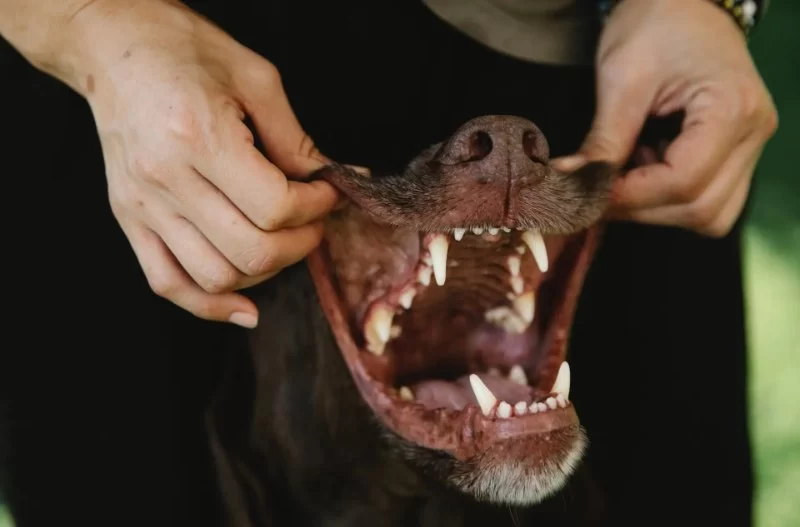
- -1- Feeding Techniques for Dogs with Sensitive Teeth #feeding-techniques
- -2- Choosing the Right Dog Food #right-dog-food
- -3- Homemade vs. Store-Bought Options #homemade-vs-store
- -4- Gradual Diet Adjustments and Softening Methods #diet-adjustments
- -5- Monitoring Oral Health and Behavior #oral-health-monitoring
- -6- Tips for Encouraging Eating Despite Discomfort #encouraging-eating
1. Feeding Techniques for Dogs with Sensitive Teeth
Dogs with sensitive teeth can struggle with standard kibble or hard treats. To ensure your furry friend maintains proper nutrition without causing pain, it’s important to implement specialized feeding techniques. Softening dry food with warm water or broth, offering moistened kibbles, or choosing softer commercial diets can significantly reduce discomfort. For instance, Max, a 7-year-old Golden Retriever, experienced reluctance to eat due to worn teeth. Switching to softened kibble dramatically improved his appetite and overall mood.
In addition, feeding smaller, more frequent meals rather than one large portion helps reduce strain on sensitive teeth. Dividing the daily intake into 3-4 servings encourages regular eating while limiting discomfort. Tools like shallow bowls or elevated feeders can also help dogs access food without putting undue pressure on their jaw or teeth.

2. Choosing the Right Dog Food
Selecting the appropriate dog food is crucial for dogs with dental sensitivity. Look for foods labeled as "soft," "easy-to-chew," or specifically formulated for senior or dental-sensitive dogs. Ingredients like real meat, rice, and oatmeal are gentle on teeth and gums while providing essential nutrients. Avoid foods with hard kibbles or excessive fillers that may exacerbate dental discomfort.
Professional guidance from veterinarians or clinics like Hidden Brook Veterinary can help identify optimal commercial diets based on your dog’s age, breed, and dental condition. They often provide recommendations for brands that maintain nutritional balance while being gentle on sensitive teeth.

3. Homemade vs. Store-Bought Options
Some dog owners prefer preparing homemade meals to control texture and quality. Pureeing cooked meats, vegetables, and grains can create a soft, nutritious diet that’s easier on sensitive teeth. Incorporating gentle supplements such as bone broth or soft-cooked eggs can further enhance palatability.
Store-bought options offer convenience and balanced nutrition, often formulated to meet AAFCO standards. Wet or semi-moist foods are particularly suitable for dogs with dental discomfort. For personalized recommendations and access to both premium store-bought and veterinarian-approved homemade options, Hidden Brook Veterinary provides guidance and resources tailored to your dog’s needs.
4. Gradual Diet Adjustments and Softening Methods
Introducing new foods too quickly can upset your dog’s digestive system. Gradually mixing a new soft diet with their current food allows their stomach and teeth to adjust comfortably. Techniques such as soaking kibble in warm water, broth, or low-sodium dog stock for 10–15 minutes can soften hard pieces without reducing nutritional value.
For dogs who resist change, adding natural flavor enhancers like a small amount of cooked chicken or pumpkin puree can entice them to eat while keeping meals soft and palatable. Observing their reaction to each method ensures you identify the most effective strategy for long-term feeding.
5. Monitoring Oral Health and Behavior
Regular observation is key to managing dogs with sensitive teeth. Signs of discomfort include pawing at the mouth, drooling, reduced interest in food, or refusing certain textures. Scheduling periodic veterinary dental checkups can detect issues such as plaque, gingivitis, or broken teeth early.
Hidden Brook Veterinary offers comprehensive oral health assessments and professional advice on maintaining teeth and gums. Early intervention can prevent more serious dental problems and ensure your dog enjoys a healthy, pain-free eating experience.
6. Tips for Encouraging Eating Despite Discomfort
Beyond diet selection, creating a stress-free feeding environment encourages eating. Feeding in quiet, familiar locations, warming food slightly to enhance aroma, and hand-feeding when necessary can increase acceptance. Some dogs respond positively to puzzle feeders with soft treats, stimulating mental engagement without causing dental strain.
Combining these strategies ensures dogs with sensitive teeth continue receiving proper nutrition. For specialized products, feeding tools, and ongoing support, consulting Hidden Brook Veterinary provides expert recommendations tailored to your dog’s unique needs and comfort.