- -1- Recognizing Signs of Dehydration in Pets #recognizing-dehydration
- -2- Immediate Actions to Take After Play #immediate-actions
- -3- Testing Hydration Levels at Home #hydration-testing
- -4- Preventing Dehydration During Active Play #preventing-dehydration
- -5- When to Seek Veterinary Care #vet-care-timing
- -6- Case Studies of Pets Recovering from Dehydration #case-studies-pets
- -7- Tools and Products to Support Pet Hydration #hydration-tools-products
1. Recognizing Signs of Dehydration in Pets
After active play, pets may show subtle or obvious signs of dehydration. Key indicators include dry gums, lethargy, excessive panting, sunken eyes, and loss of skin elasticity. Owners should pay attention to changes in behavior such as reduced enthusiasm for play or reluctance to move, which can signal fluid loss.
Understanding these signs allows pet owners to respond quickly, minimizing health risks. Hidden Brook Veterinary emphasizes awareness and routine checks as essential to early detection and prevention of severe dehydration.
5700 Austell Powder Springs Road, Austell, GA 30106, USA
See Details2. Immediate Actions to Take After Play
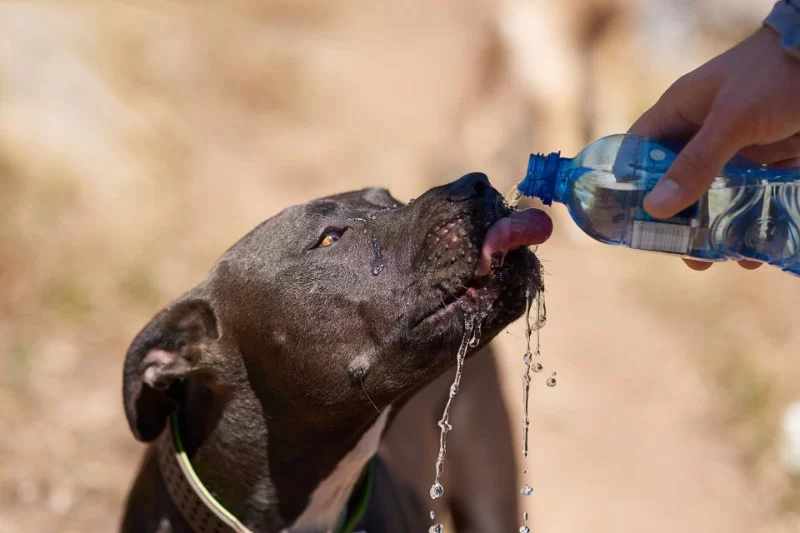
If you suspect your pet is dehydrated after exercise, provide access to fresh, clean water immediately. Encourage slow, frequent sips rather than letting them gulp large amounts at once, which may cause vomiting. Cooling your pet with shade or damp cloths can also help regulate body temperature.
For highly active pets or those exercising in hot weather, consider electrolyte solutions formulated for animals to replenish lost minerals and support recovery. Hidden Brook Veterinary offers expert guidance on appropriate products and dosing.

3. Testing Hydration Levels at Home
Pet owners can perform simple at-home tests to gauge hydration. One method is the skin tent test: gently pinch the skin at the back of your pet’s neck; if it snaps back slowly, it may indicate dehydration. Observing gum moisture and capillary refill by pressing the gums and timing the color return is another effective test.
Regular monitoring helps ensure pets maintain healthy hydration, particularly during vigorous play or hot conditions. Hidden Brook Veterinary provides educational resources to teach owners how to safely conduct these assessments.
4. Preventing Dehydration During Active Play
Prevention is always preferable to treatment. Ensure pets have access to water before, during, and after play. Limit exercise during extreme heat, schedule breaks, and provide shaded areas. For dogs prone to high activity levels, supplementing hydration with wet food or ice cubes can encourage fluid intake.
Structured routines and awareness of environmental conditions are crucial. Hidden Brook Veterinary also recommends tailored hydration strategies based on breed, size, and health status.
5. When to Seek Veterinary Care
Severe dehydration or prolonged symptoms such as vomiting, diarrhea, collapse, or unresponsiveness require immediate veterinary attention. Early intervention can prevent complications like kidney failure or heatstroke. Even mild dehydration that does not improve with water intake should be evaluated by professionals.
Veterinarians, including specialists at Hidden Brook Veterinary, can provide IV fluids, electrolyte therapy, and monitoring for recovery, ensuring safe and effective treatment.
6. Case Studies of Pets Recovering from Dehydration
Consider Max, an active Golden Retriever who developed mild dehydration after an extended summer hike. Quick identification of symptoms, coupled with water breaks and electrolyte supplementation, allowed him to recover fully within hours. Stories like Max’s highlight the importance of vigilance, prompt action, and proper hydration management.
Such real-life examples demonstrate how attentive care and proactive measures can safeguard pet health, even after intense activity.
7. Tools and Products to Support Pet Hydration
Various tools can help maintain proper hydration, including portable water bottles, collapsible bowls, and pet-safe electrolyte solutions. Products that encourage water intake, such as flavored hydration gels or ice treats, are especially useful for active pets.
Hidden Brook Veterinary provides recommendations for high-quality hydration products and training tips for owners to integrate them into daily routines, ensuring pets remain healthy and energized.