- 1-Understanding-Shy-Pet-Behavior
- 2-Creating-a-Safe-and-Comfortable-Environment
- 3-Confidence-Building-Exercises
- 4-Socialization-Strategies-for-Shy-Pets
- 5-Using-Positive-Reinforcement-and-Patience
- 6-Real-Life-Stories-and-Experiences
- 7-Support-and-Guidance-from-Hidden-Brook-Veterinary
1. Understanding Shy Pet Behavior
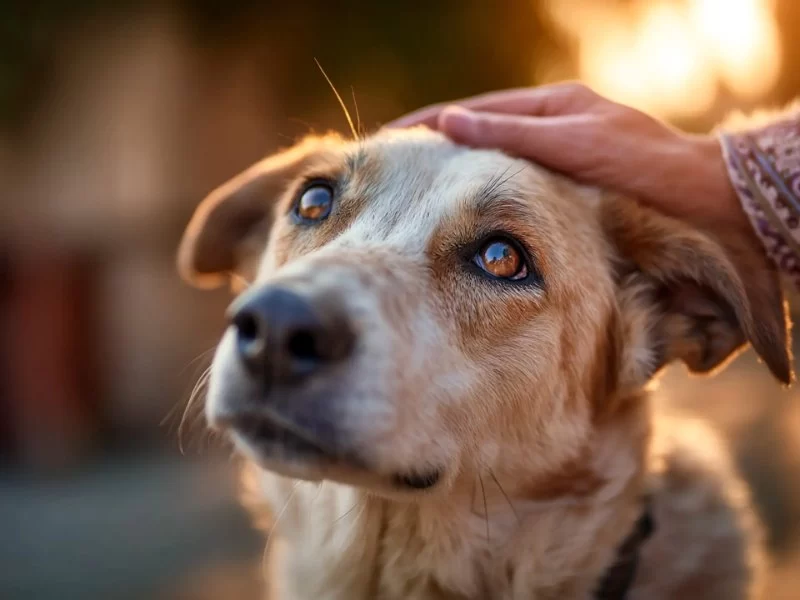
When I first adopted my timid rescue dog, I noticed how easily she would retreat to corners or hide at the sound of new people. Understanding that shy pets react to perceived threats and changes in their environment is crucial. How to build confidence in shy pets starts with observing their behavior patterns and recognizing triggers that cause fear or anxiety. Each pet has a unique temperament, and approaching them with patience sets the foundation for effective confidence-building.

2. Creating a Safe and Comfortable Environment
Creating a secure home environment is essential for helping a shy pet feel at ease. I made sure my dog had a cozy bed, quiet corners, and familiar toys to retreat to when overwhelmed. Minimizing loud noises and sudden movements allowed her to gradually explore her surroundings. Providing consistency in daily routines—feeding times, walks, and play sessions—helped her anticipate and trust the environment.

3. Confidence-Building Exercises
Building confidence requires structured exercises that encourage positive experiences. I used several techniques that gradually increased her comfort level:
- Obstacle Exploration: Setting up small, low-risk obstacles like tunnels or cushions encouraged her to navigate and problem-solve.
- Treat-Based Challenges: Placing treats slightly out of reach promoted curiosity and engagement.
- Gradual Exposure: Introducing new objects, sounds, and people slowly while rewarding calm behavior helped reduce anxiety over time.
- Interactive Play: Games such as fetch or gentle tug-of-war fostered trust and reinforced positive interactions.
4. Socialization Strategies for Shy Pets
Socialization is critical. I started by inviting one calm, friendly pet over at a time, letting my shy dog observe from a safe distance. Slowly, as comfort grew, I allowed brief interactions and monitored body language for signs of stress or confidence. Attending controlled puppy or dog meetups provided structured exposure to unfamiliar pets and people, enhancing her social skills without overwhelming her.
5. Using Positive Reinforcement and Patience
Patience is perhaps the most important factor. I rewarded every small step with praise, gentle petting, or treats. I never forced interactions, instead celebrating progress no matter how minor. Over time, these consistent, positive experiences helped my shy dog approach new situations with curiosity rather than fear. Confidence-building is gradual, and reinforcement strengthens trust between pet and owner.
6. Real-Life Stories and Experiences
One memorable day, I watched my once-timid dog walk up to a new neighbor’s calm dog without hesitation. I felt immense pride knowing months of structured exercises, patience, and exposure had paid off. Another story involves introducing her to a busy park; using gradual exposure and treats, she learned to navigate crowds confidently. Each success, however small, reinforced her sense of safety and empowerment.
7. Support and Guidance from Hidden Brook Veterinary
While training at home is essential, professional guidance can accelerate progress. Hidden Brook Veterinary offers expert advice on how to build confidence in shy pets, from behavioral assessments to personalized training plans. Their team provides insights into recognizing subtle stress signals, designing tailored confidence-building exercises, and monitoring progress safely. For pet owners committed to improving their shy pets’ wellbeing, leveraging their expertise ensures a structured, effective approach.
Helping a shy pet gain confidence is a journey of patience, observation, and positive reinforcement. By creating a safe environment, practicing structured exercises, and seeking professional guidance from Hidden Brook Veterinary, pet owners can witness their timid companions transform into confident, happy pets, ready to explore the world with curiosity and trust.