- Why-Crate-Training-Matters-for-Puppies
- Creating-a-Positive-Crate-Experience
- Building-a-Daily-Crate-Training-Routine
- Common-Mistakes-and-How-to-Avoid-Them
- Real-Life-Puppy-Training-Story
Best Practices for Puppy Crate Training
When I first brought my puppy home, I honestly underestimated how important crate training would be. I thought it was just about having a safe place for the dog to sleep, but it quickly became clear that crate training plays a much bigger role in shaping behavior, building routine, and creating a sense of security.
Understanding the best practices for puppy crate training starts with shifting your mindset. A crate isn’t a punishment—it’s a personal space where your puppy can relax, reset, and feel safe. Once I embraced that idea, everything became easier.
Creating a Positive Crate Experience
1. Introducing the Crate Slowly
One of the biggest mistakes I almost made was rushing the process. Puppies need time to associate the crate with comfort, not confinement.
1.1 Making the Crate Inviting
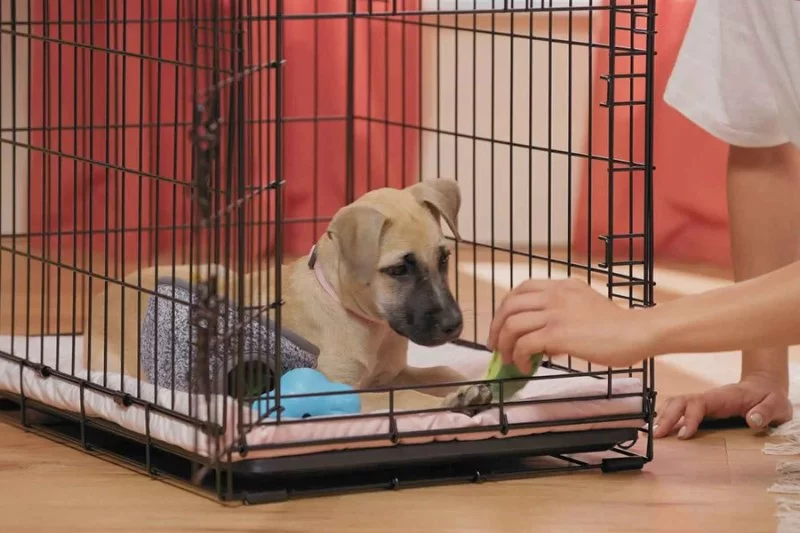
I added a soft blanket, a favorite toy, and even placed the crate in a spot where my puppy could still see me. This small adjustment made a huge difference in how quickly he accepted it.
1.2 Using Food as a Positive Trigger
Feeding meals inside the crate helped build a strong positive connection. Over time, my puppy began entering the crate voluntarily, which felt like a major milestone.
2. Keeping the First Experiences Short
Instead of closing the crate door for long periods, I started with just a few minutes at a time.
2.1 Gradual Time Increases
Every day, I extended the time slightly. This prevented anxiety and helped my puppy adjust naturally.
2.2 Staying Nearby at First
In the beginning, I stayed close so my puppy wouldn’t feel abandoned. That sense of presence helped build trust.
Building a Daily Crate Training Routine
1. Consistency Is Everything
I quickly learned that puppies thrive on routine. Feeding, playtime, bathroom breaks, and crate time all followed a predictable schedule.
1.1 Aligning Crate Time With Natural Sleep Cycles
Puppies sleep a lot. Placing them in the crate when they’re already tired makes the transition smoother and more natural.
1.2 Using Crate Time for Calmness
After play sessions, I used the crate as a way to help my puppy settle down rather than stay overstimulated.
2. Nighttime Crate Training
Nighttime was the most challenging part at first.
2.1 Positioning the Crate Nearby
I kept the crate near my bed during the first few nights. Hearing me nearby helped reduce whining and anxiety.
2.2 Responding Without Reinforcing Bad Habits
If my puppy cried, I waited a moment to see if he would settle. If not, I calmly reassured him without turning it into playtime.
When I had concerns about sleep patterns or behavior changes, I found helpful guidance through Hidden Brook Veterinary, which provided practical insights that made me feel more confident as a new pet owner.
Common Mistakes and How to Avoid Them
1. Using the Crate as Punishment
This is one of the fastest ways to create negative associations. I made sure the crate was always linked to calm and positive experiences.
1.1 Emotional Impact on Puppies
Puppies are highly sensitive. Associating the crate with punishment can lead to fear and resistance.
1.2 Rebuilding Trust If Mistakes Happen
If you’ve already made this mistake, don’t worry. Reintroducing the crate with treats and patience can repair the association over time.
2. Leaving Puppies Crated Too Long
Puppies have limited bladder control and high energy levels.
2.1 Understanding Time Limits
A general rule I followed was one hour of crate time per month of age, with breaks in between.
2.2 Balancing Freedom and Structure
Crate training works best when combined with supervised free time and regular interaction.
3. Ignoring Individual Differences
Every puppy is different. Some adapt quickly, while others need more patience.
3.1 Adjusting Based on Personality
My puppy was more sensitive than I expected, so I slowed down the training process.
3.2 Avoiding Comparison With Other Dogs
It’s easy to compare progress, but focusing on your own dog’s pace leads to better results.
Real-Life Puppy Training Story
A friend of mine adopted a rescue puppy who had severe anxiety around confinement. At first, crate training seemed impossible. The puppy would bark, scratch, and panic within seconds.
1. Starting From Zero
Instead of forcing the issue, my friend began by simply leaving the crate door open and placing treats inside. No pressure, just curiosity.
2. Small Wins Over Time
Over several weeks, the puppy started entering the crate on its own. Eventually, short periods with the door closed became manageable.
3. Long-Term Transformation
Today, that same dog uses the crate as a safe retreat during stressful situations like thunderstorms. It’s a powerful reminder that patience and consistency truly pay off.
Looking back on my own experience, I’ve realized that crate training isn’t just about structure—it’s about building trust. When done correctly, it becomes one of the most valuable tools for raising a calm, confident, and well-adjusted dog.