- #why-your-dog-licks-everything-and-what-it-means
- #dog-licking-behavior-explained
- #understanding-your-dogs-licking-habits
- #reasons-dogs-lick-everything
- #dog-licking-why-does-my-dog-lick-me
- #what-your-dogs-licking-behavior-means
Why Your Dog Licks Everything and What It Means
If you’re a dog owner, you’ve probably noticed your furry friend licking everything in sight—from the floor and furniture to your hands, face, and even the air! While dog licking is generally a normal behavior, it can sometimes be confusing, and many pet owners wonder why their dogs engage in such a persistent, seemingly random activity. Well, after observing my own dog and researching this behavior, I can tell you that licking can mean a lot of things—and sometimes it’s a sign that something else might be going on.
In this article, I’m going to explore some of the most common reasons why dogs lick everything, and provide tips on how to tell whether your dog’s licking is a harmless habit or a sign of something more serious.

Understanding Your Dog’s Licking Behavior
Licking is a natural behavior for dogs, one that they’ve carried over from their wild ancestors. In the wild, dogs lick to clean themselves, their pack members, and even their territory. Domestic dogs, too, maintain this instinct, and their licking behavior can be traced back to several different causes, both physical and psychological.
When I first adopted my dog, I was surprised at how often he licked everything—especially me! At first, I thought it was just a quirky habit, but over time, I began to realize there was a little more to it. Here are some of the main reasons why your dog may lick everything around them.

Common Reasons Why Dogs Lick Everything
1. Natural Instinct and Exploration
For dogs, licking is an instinctive behavior they use to explore the world around them. Dogs have highly sensitive noses and taste buds, and they rely on licking to gather information about their environment. Just like humans touch things to feel and understand them, dogs lick objects to learn about them.
When my dog licks the floor after I've dropped food, he’s not just being cute—he’s trying to understand what he’s eating, and he may be interested in the scent or taste of it. This is a natural instinct that’s completely normal, so don’t be alarmed if your dog licks random objects or surfaces in your home.
2. Affection and Bonding
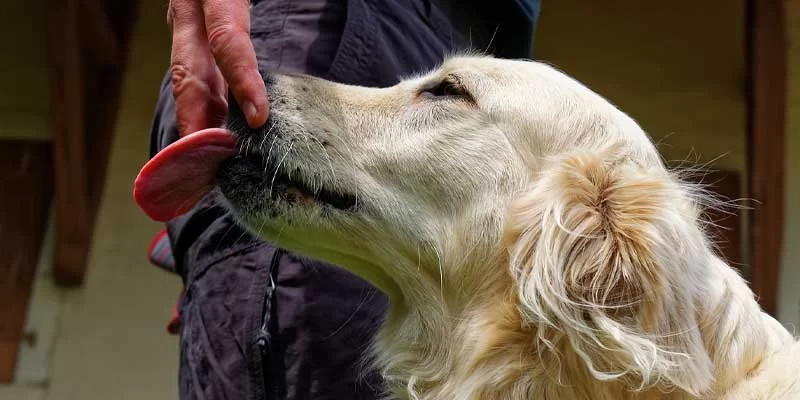
Licking is often a sign of affection in dogs. When your dog licks you, it’s often their way of showing love and bonding with you. In fact, this behavior is frequently seen in puppies and their mothers. Puppies lick their mothers as a way of showing submission and affection, and this instinct carries over to their relationships with their human family members.
When I’m relaxing at home, my dog will often lick my hands or face—this is his way of saying “I love you” and seeking attention. If your dog licks you, it’s likely because they enjoy your company and want to connect with you.
3. Anxiety or Stress
Licking can also be a self-soothing behavior for dogs that are feeling anxious or stressed. If your dog is licking excessively, it could be a sign that they are trying to comfort themselves in response to something in their environment. This could be caused by separation anxiety, loud noises, changes in routine, or even a trip to the vet.
I once noticed that my dog started licking a lot after a move to a new house. The change in environment made him nervous, and he would often lick the carpet or his paws. In these cases, the licking provides a temporary sense of comfort or relief from the stress they’re feeling.
4. Medical Reasons
Sometimes, excessive licking can be a sign of an underlying health problem. Dogs may lick excessively due to skin irritations, allergies, or infections. If your dog is licking specific areas of their body, such as their paws, ears, or genitals, it could be a sign that they are dealing with a physical issue.
For example, I noticed my dog licking his paws frequently one summer, and after a visit to the vet, we discovered that he had an allergic reaction to some grass pollen. After treating his allergies, the licking stopped. If you notice consistent or unusual licking, especially if accompanied by redness, swelling, or hair loss, it’s a good idea to consult a veterinarian.
5. Hunger or Thirst
In some cases, dogs lick as a way of signaling hunger or thirst. If your dog is licking their food bowl, they may be trying to communicate that they’re hungry. Similarly, if your dog licks water bowls or their lips, it could indicate they’re thirsty.
I’ve noticed that if my dog finishes his meal early, he’ll often lick his bowl afterward, which is his way of telling me that he’s still hungry. Keep an eye on your dog’s eating and drinking habits to ensure they’re getting enough food and water.
What Does Your Dog’s Licking Behavior Mean?
When trying to understand your dog’s licking behavior, it's important to consider the context. Not all licking is the same, and knowing when to be concerned and when to simply enjoy the moment can make a big difference in your pet’s health and well-being.
When to Be Concerned
Excessive licking, especially if it seems compulsive or is directed at a specific area of the body, could be a sign of an underlying issue that requires attention. If your dog is licking to the point of creating sores, hair loss, or inflammation, it’s important to take them to the vet to rule out health problems such as infections, allergies, or even behavioral conditions.
Another red flag is if your dog is licking non-food objects excessively (like furniture or walls) and is showing signs of stress or anxiety. In these cases, it’s a good idea to explore potential triggers, such as changes in your routine, separation anxiety, or environmental factors.
When It’s Just Normal Dog Behavior
Licking is an entirely normal behavior for dogs in many situations. If your dog licks you or objects in a calm and non-obsessive manner, it’s usually a sign of affection or curiosity. As long as the licking is not excessive and doesn’t lead to irritation or injury, it’s typically just part of being a dog.
What You Can Do to Manage Excessive Licking
If your dog’s licking is becoming excessive or bothersome, there are a few strategies you can try to manage it. Start by identifying the cause—whether it’s stress, boredom, or an underlying health issue. You can help by providing more mental stimulation through toys, training, and walks, or by creating a more calming environment for your dog.
If the behavior continues despite your efforts, it’s worth reaching out to a veterinarian or an animal behaviorist who can help assess the situation and offer more tailored advice.
For those of us who love our dogs but are tired of the constant licking, a professional trainer or behaviorist may also be able to offer techniques to help redirect the licking behavior and create a healthier routine for both you and your dog.
If you have concerns about your dog’s licking behavior or overall health, feel free to visit Hidden Brook Veterinary for advice, care, and resources that can help keep your dog happy and healthy.