- normal-playful-behavior
- boredom-and-excess-energy
- stress-anxiety-and-compulsive-patterns
- medical-and-physical-triggers
- how-i-learned-when-to-intervene
- practical-steps-that-actually-help
- when-professional-guidance-matters
When Tail Chasing Is Just Harmless Fun
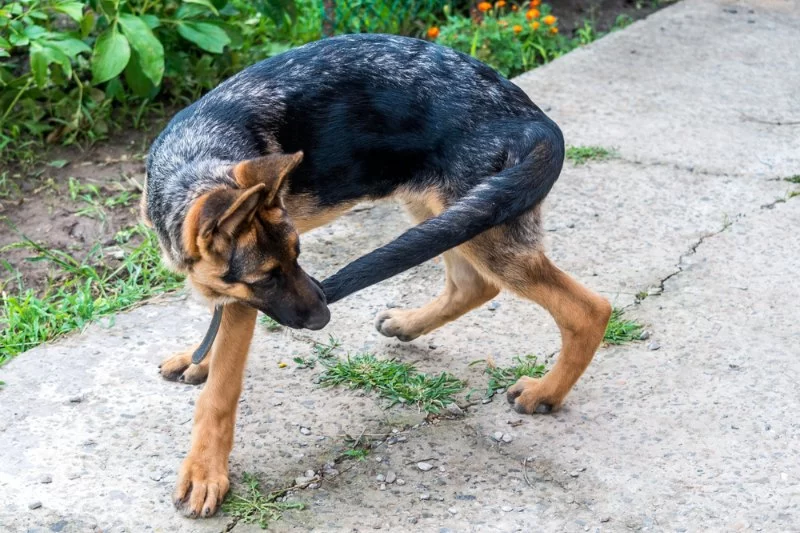
The first time I saw a dog chasing its tail, I laughed. Many of us do. Puppies especially treat their tails like fascinating toys that appeared out of nowhere. In these cases, tail chasing is usually short-lived, playful, and easy to interrupt. The dog is relaxed, responsive, and not distressed.
I’ve noticed that playful tail chasing often happens during bursts of excitement. A puppy might spin once or twice, then move on to something else. This kind of behavior is part of normal development as dogs explore their bodies and learn coordination.

How Boredom Turns Into Repetitive Behavior
1. Too Much Energy With No Outlet
One of the most common reasons dogs chase their tails is simple boredom. I’ve seen this firsthand with high-energy breeds that don’t get enough physical or mental stimulation. When walks are short and playtime is limited, dogs invent their own entertainment.

2. Mental Stimulation Matters as Much as Exercise
Physical exercise alone isn’t always enough. Dogs need problem-solving activities, training sessions, and interactive play. Without them, repetitive behaviors like tail chasing can become a default way to release pent-up energy.
Stress, Anxiety, and When Tail Chasing Becomes Concerning
1. Emotional Triggers Behind the Behavior
I once worked with a dog owner whose dog started chasing its tail after a major household change. New schedules, less attention, or loud environments can trigger anxiety. Tail chasing in these situations isn’t playful; it’s a coping mechanism.
2. Signs of Compulsive Behavior
When tail chasing becomes frequent, intense, or difficult to interrupt, it may signal compulsive behavior. Dogs may seem fixated, ignore commands, or chase their tails until they are exhausted. This is when the behavior stops being cute and starts being a red flag.
Physical Reasons Dogs Chase Their Tails
1. Skin Irritation and Allergies
Sometimes the reason is physical discomfort. Fleas, allergies, or skin infections around the tail area can cause irritation. Dogs may chase or bite their tails trying to relieve itching or pain.
2. Anal Gland and Joint Issues
I’ve learned that problems like anal gland discomfort or lower back pain can also lead to tail-focused behavior. Dogs can’t tell us what hurts, so their behavior becomes the message.
How I Learned the Difference Between Cute and Concerning
1. Frequency and Intensity
Occasional tail chasing that stops easily is usually nothing to worry about. What changed my perspective was seeing a dog chase its tail multiple times a day, sometimes until it collapsed from fatigue. That’s when intervention becomes necessary.
2. Physical Damage
Hair loss, redness, or wounds around the tail are clear signs that the behavior is harming the dog. At that point, waiting it out is not an option.
What You Can Do to Reduce Tail Chasing
1. Increase Structured Activity
Longer walks, varied routes, and interactive games make a noticeable difference. I’ve seen dogs calm down significantly once their daily routine includes both physical and mental challenges.
2. Avoid Punishment
Punishing a dog for tail chasing often increases stress, making the behavior worse. Redirection works far better. Offering a toy, initiating training, or engaging the dog breaks the cycle without adding fear.
3. Create Predictable Routines
Dogs thrive on consistency. Regular feeding times, walks, and rest periods reduce anxiety-driven behaviors. Predictability creates a sense of safety.
When Veterinary Insight Makes a Difference
1. Ruling Out Medical Causes
If tail chasing persists, a veterinary evaluation is essential. Identifying allergies, pain, or neurological issues early prevents long-term damage and frustration.
2. Behavioral Support and Long-Term Wellness
In cases where anxiety or compulsive patterns are involved, professional guidance can be life-changing. Clinics like Hidden Brook Veterinary focus not only on physical health but also on behavioral well-being, helping dogs and owners find balanced, humane solutions.
Understanding why some dogs chase their tails changed how I view canine behavior altogether. It’s rarely random. It’s communication. When we learn to listen and respond thoughtfully, we give dogs what they truly need: safety, stimulation, and care.