Why Do Dogs Chew Their Paws? Understanding the Behavior
- 1-Common Reasons Dogs Chew Their Paws
- 2-Health Issues That Can Cause Paw Chewing
- 3-How to Stop Your Dog from Chewing Their Paws
- 4-When to See a Veterinarian
1-Common Reasons Dogs Chew Their Paws
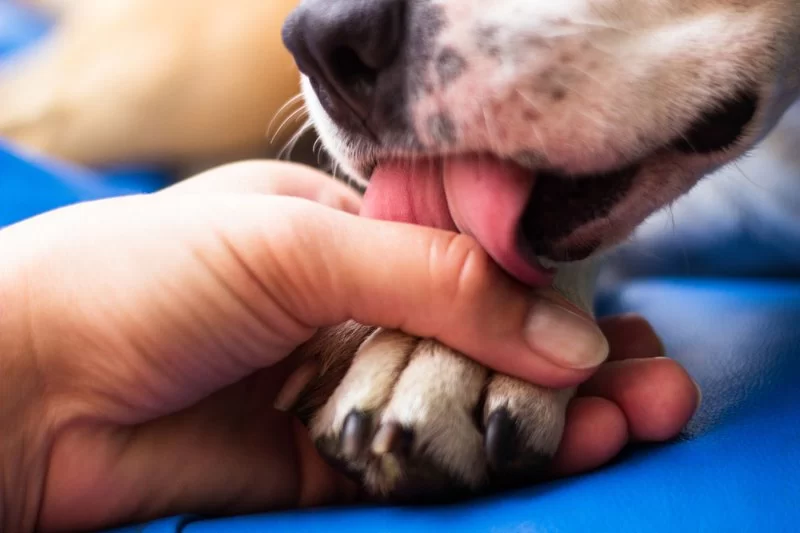
If you’ve ever caught your dog chewing their paws, you might have found yourself wondering what could be causing this behavior. As a dog owner, I’ve had my share of concerns about my own pup's paw-chewing habits, and after researching and consulting with experts, I discovered that this is actually a fairly common behavior among dogs. But why do they do it? Here are some of the most common reasons that dogs chew their paws:

1.1 Grooming and Cleaning
One of the simplest reasons dogs chew their paws is for grooming purposes. Just like cats, dogs will sometimes clean themselves by licking or chewing their paws. This can be a normal behavior, especially if you notice your dog chewing their paws after playing outside or after a walk. They may be trying to remove dirt or debris from their paws, which is natural. However, if the chewing becomes excessive, it may indicate an underlying issue.

1.2 Allergies
Another common cause of paw chewing is allergies. Dogs can develop allergies to various things, including food, pollen, dust, or even certain chemicals found in cleaning products. If your dog is allergic to something they’ve come into contact with, such as grass or a particular type of food, they may chew their paws to alleviate the discomfort caused by itching or irritation. In these cases, the chewing behavior is often accompanied by other signs of allergies, such as redness, swelling, or licking other areas of their body.
1.3 Anxiety or Stress
As I learned through personal experience, one of the biggest reasons dogs chew their paws is anxiety or stress. If a dog is feeling anxious, they may chew on their paws as a self-soothing behavior. This is similar to how some people might bite their nails when nervous. Dogs with separation anxiety, fear of loud noises, or changes in their routine may resort to paw chewing as a way to cope with their emotions. This type of behavior is more common in dogs that are left alone for long periods of time or in stressful environments.
1.4 Boredom
Dogs are intelligent and energetic creatures, and if they aren’t given enough mental or physical stimulation, they can start developing unwanted behaviors, including paw chewing. Boredom can lead to anxiety, and dogs may chew their paws as a way to pass the time or relieve pent-up energy. Regular exercise, mental challenges, and interactive play can help prevent boredom and reduce this behavior.
2-Health Issues That Can Cause Paw Chewing
While paw chewing is often linked to behavioral issues, it can also be a sign of underlying health problems. As a dog parent, it’s important to consider any potential health issues if your dog’s paw chewing seems abnormal or excessive. Here are some health-related causes that could lead to paw chewing:
2.1 Skin Infections
Dogs are prone to skin infections, and their paws are no exception. Fungal or bacterial infections can cause discomfort, prompting your dog to chew or lick their paws in an attempt to relieve the irritation. If your dog’s paws are red, swollen, or have an unusual odor, they may be dealing with an infection, and a trip to the vet is necessary for proper treatment.
2.2 Fleas and Parasites
Fleas and other parasites can cause intense itching, and dogs often focus their attention on chewing their paws as a response. Flea infestations are more common than many people realize, and even if you don’t see visible fleas, your dog could still be affected. Regular flea treatments and preventative measures can help prevent this issue. In addition, check your dog’s paws for signs of parasites like ticks or mites.
2.3 Dry or Cracked Paws
Another possible reason your dog is chewing their paws is due to dry, cracked skin. Dogs that walk on rough surfaces or are exposed to extreme weather conditions may develop dry or cracked paw pads. This discomfort can lead them to chew or lick their paws to relieve the irritation. Using paw balm or moisturizing products specifically designed for dogs can help soothe and protect their paws from the elements.
2.4 Pain or Injury
In some cases, dogs may chew on their paws as a way to cope with pain or an injury. If your dog has a cut, bruise, or thorn stuck in their paw, they may chew on it to alleviate discomfort. It’s important to check your dog’s paws regularly for any signs of injury or foreign objects that could be causing them pain. If you suspect your dog is chewing due to pain, a visit to the vet is necessary to rule out any serious issues.
3-How to Stop Your Dog from Chewing Their Paws
If your dog’s paw chewing has become a habit or is affecting their health, there are steps you can take to help stop the behavior. Here are a few tips I’ve learned over time:
3.1 Address the Root Cause
First and foremost, it’s important to identify the root cause of the paw chewing. Is it anxiety? Boredom? An allergy or infection? Once you understand why your dog is chewing their paws, you can take steps to address the underlying issue. If anxiety is the cause, providing a more consistent routine, mental stimulation, or calming aids like pheromone diffusers can help. For allergies or infections, working with your vet to find the right treatment plan is essential.
3.2 Provide More Exercise and Mental Stimulation
As I found with my own dog, increasing physical exercise and mental stimulation can work wonders in curbing destructive behaviors. Daily walks, playtime, and puzzle toys can help tire out your dog and prevent boredom. A tired dog is less likely to engage in unnecessary behaviors like paw chewing.
3.3 Use Deterring Products
If your dog’s chewing is persistent, you can use sprays designed to deter chewing. These sprays are safe for dogs and have an unpleasant taste that discourages them from chewing on their paws. Just be sure to choose a product that’s safe and specifically formulated for pet use. Additionally, using protective booties or paw coverings can help prevent your dog from chewing their paws when you’re not around.
4-When to See a Veterinarian
While some paw chewing can be harmless, there are times when it’s important to seek professional help. If your dog’s behavior seems to be linked to an infection, injury, or if the chewing is becoming excessive and persistent, it’s best to consult with a veterinarian. They can conduct a thorough examination, rule out any underlying health issues, and provide a treatment plan tailored to your dog’s needs.
At Hidden Brook Veterinary, we specialize in understanding and addressing behavioral and health-related issues in dogs. If you’re concerned about your dog’s paw chewing behavior, feel free to contact us for advice and solutions that can help your furry friend live a comfortable and happy life.