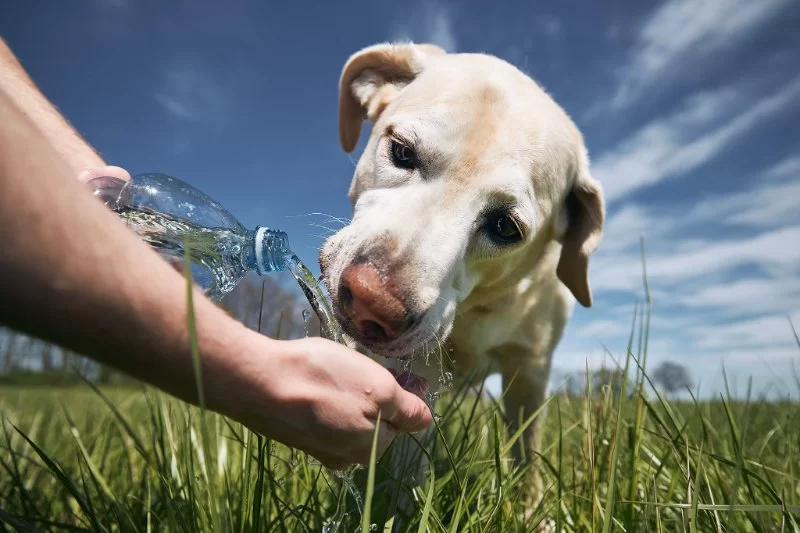
1 - Understanding Pet Hydration Needs
As pet owners, we all want to ensure our furry friends are happy and healthy, and hydration plays a key role in that. Water is essential for all living creatures, and pets are no exception. Over the years, I’ve learned just how important it is to keep my pets hydrated, especially during warm weather or after physical activities. Dehydration can lead to serious health problems for pets, including kidney failure and heatstroke. But it can sometimes be difficult to know how much water they need and how to encourage them to drink enough.
In this article, I’m going to share the best ways I’ve found to help my pets stay hydrated. Whether you have a dog, cat, or another type of pet, these tips will help you ensure your pets drink enough water and stay healthy throughout the year.

2 - Signs That Your Pet May Be Dehydrated
The first step in ensuring your pet stays hydrated is knowing how to recognize the signs of dehydration. Pets don’t always show visible signs until they’re quite dehydrated, so being proactive is key. I remember when I first noticed that my dog was slightly lethargic and wouldn’t eat much, but I didn’t realize it was due to dehydration. After a quick checkup at the vet, I learned that dehydration can cause a variety of issues, and I could’ve caught it earlier. Here are some common signs of dehydration in pets:
2.1 - Dry Nose or Gums
If you notice your pet’s nose is dry and warm or their gums are tacky to the touch, dehydration could be the cause. I always check my pets’ gums by gently lifting their lip to feel the moisture. Healthy gums should feel moist and slippery, not dry or sticky.
2.2 - Lethargy and Decreased Energy
Dehydrated pets often become lethargic or sluggish. If your pet suddenly becomes less active than usual or seems uninterested in playing or going for walks, dehydration may be the cause. I’ve had to adjust my pets’ water intake after seeing these signs, and once they started drinking more, their energy levels improved significantly.
2.3 - Sunken Eyes and Loss of Skin Elasticity
Another sign of severe dehydration is when your pet’s eyes appear sunken or dull. Additionally, skin elasticity decreases with dehydration. You can test this by gently pinching your pet’s skin between their shoulder blades—if it doesn’t snap back quickly, it’s a sign of dehydration. This is a more advanced sign, so if you see it, it’s time to take your pet to the vet.
3 - Best Ways to Help Your Pet Stay Hydrated
Now that we know the signs of dehydration, it’s important to focus on how to prevent it. I’ve learned over the years that it’s not just about providing water—it’s about making sure that your pet actually drinks it. Here are some tips that have worked wonders for me and my pets:
3.1 - Provide Fresh Water Throughout the Day
It might seem obvious, but the simplest solution is to always provide fresh, clean water. I make sure to refill my pets’ water bowls throughout the day and clean them regularly. Sometimes, pets can avoid drinking from a bowl if the water isn’t fresh or if the bowl is dirty. To encourage my pets to drink more, I also change the water in their bowls several times a day. Having a fresh supply readily available encourages them to take a sip whenever they’re thirsty.
3.2 - Use a Pet Water Fountain
Some pets, especially cats, can be picky about drinking from stagnant water bowls. I discovered that using a pet water fountain can make a huge difference. The constant flow of water appeals to many pets, encouraging them to drink more. The sound of running water also attracts pets who are curious by nature. My cats love drinking from their water fountain, and I’ve noticed they drink much more than they did when using a regular bowl. If you’re struggling with your pet’s water intake, I highly recommend giving a pet water fountain a try.
3.3 - Add Water or Broth to Food
For pets who are reluctant to drink water, adding water or low-sodium broth to their food can help boost their hydration levels. I started adding a little water to my dog’s kibble, and she loved it! For cats, you can also offer wet food, which has a higher moisture content compared to dry food. I’ve found that adding a splash of broth (without onions or garlic) to their food not only improves their hydration but also makes mealtime more exciting for them.
3.4 - Offer Ice Cubes or Frozen Treats
If your pet enjoys ice cubes or frozen treats, this can be a fun way to encourage hydration. I’ve seen my dog enjoy chewing on ice cubes, especially on hot days, and this helps her stay hydrated. You can also make your own frozen treats by freezing pet-friendly ingredients like low-sodium broth, fruits (like watermelon or blueberries), and yogurt. Not only are these treats a cool way to hydrate, but they also serve as a fun activity for your pet to enjoy during the summer months.
3.5 - Keep Your Pet Cool in Hot Weather
Hot weather can lead to rapid dehydration, so it’s important to ensure that your pet stays cool. I always make sure my pets have access to shaded areas and fresh water when it’s warm outside. For dogs, especially those with thick coats, I take extra care by providing a cooling mat or misting them with water during walks. In the summer, I also limit outdoor activities to cooler parts of the day, like early mornings or evenings.
4 - Hydration for Special Needs Pets
Pets with certain medical conditions or older pets may require additional hydration attention. I’ve had experiences where my senior dog needed extra care to stay hydrated due to arthritis and other age-related issues. Here are some tips I’ve found useful for special needs pets:
4.1 - Pets with Kidney Disease
If your pet has kidney disease, they may struggle with hydration due to the kidneys’ inability to regulate water balance. I’ve worked with my vet to provide a special diet and additional fluids for my dog who has kidney issues. Your vet can recommend hydration methods, such as subcutaneous fluid therapy, which involves administering fluids under the skin to help maintain hydration levels.
4.2 - Pets on Medications
Some medications can cause dehydration as a side effect. If your pet is on long-term medication, it’s important to monitor their water intake closely. I’ve had to adjust my pets’ water routines after they started taking medications that affected their hydration levels. Be sure to consult your vet if you notice changes in your pet’s drinking habits after starting a new medication.
5 - When to Consult a Vet About Hydration
While some signs of dehydration can be managed at home with the tips provided above, there are times when you should seek professional advice. If you notice any of the following symptoms, it’s time to contact your vet:
- Severe lethargy or weakness
- Refusal to drink water for extended periods
- Sunken eyes or dry gums
- Vomiting or diarrhea that won’t stop
Dehydration can be a serious issue, and a vet can help determine the underlying cause and provide treatment options.
Keeping your pet hydrated is crucial for their overall health and well-being. By following these tips and being proactive about hydration, you can ensure that your furry friend stays happy and healthy. If you need any more advice on hydration or pet care, be sure to check out Hidden Brook Veterinary for expert guidance and products to support your pet's health.