- why-dental-health-changes-with-age - senior-cats - aging - oral-health
- common-dental-diseases-in-senior-cats - gingivitis - periodontal-disease - resorption
- signs-your-older-cat-may-have-dental-pain - behavior-changes - eating-habits - subtle-symptoms
- how-dental-disease-affects-overall-health - kidneys - heart - immune-system
- diagnosis-and-veterinary-exams - oral-exam - x-rays - senior-care
- treatment-options-for-senior-cats - dental-cleaning - extractions - pain-management
- home-care-and-prevention - brushing - diet - routine-checks
- when-to-seek-professional-help - quality-of-life - veterinary-support
Why Dental Health Changes as Cats Get Older
1. Aging Bodies Handle Bacteria Differently
When my cat entered her senior years, I noticed subtle changes that didn’t seem urgent at first. Dental disease in senior cats often develops quietly because aging immune systems are less efficient at controlling oral bacteria. Plaque that once caused mild irritation can now trigger inflammation and infection.
Over time, this buildup hardens into tartar, pushing bacteria beneath the gumline. In older cats, the body’s ability to repair tissue slows down, making the mouth more vulnerable to chronic disease.

2. Years of Wear Add Up
Cats use their teeth daily for eating, grooming, and sometimes chewing on toys. After many years, micro-damage accumulates. This wear creates entry points for bacteria, especially in cats that never had consistent dental care earlier in life.

Common Dental Diseases in Senior Cats
1. Gingivitis and Periodontal Disease
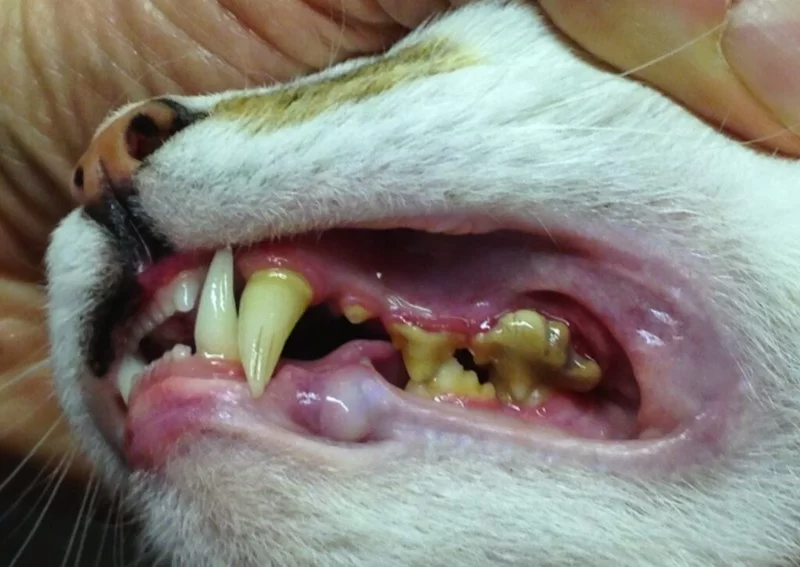
Gingivitis often starts as redness along the gumline. In senior cats, it frequently progresses into periodontal disease, where the structures supporting the teeth become damaged. I learned that by the time visible symptoms appear, the disease may already be advanced.
This condition is one of the most common answers to the question of what to know about dental disease in senior cats, because it affects comfort, appetite, and long-term health.
2. Tooth Resorption
Tooth resorption is especially common in older cats. The body begins breaking down the tooth structure itself, often starting below the gumline. It’s painful, difficult to detect without veterinary tools, and not something that improves on its own.
3. Oral Infections and Abscesses
Infections can develop when bacteria penetrate deep tissues. Abscesses may cause swelling, drooling, or sudden changes in behavior. Senior cats are less likely to bounce back quickly, making early detection critical.
Signs Your Older Cat May Be Hiding Dental Pain
1. Subtle Changes in Eating Habits
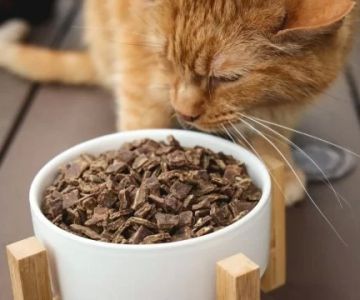
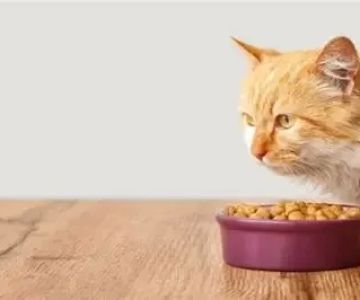
One of the first clues I noticed was hesitation at mealtime. Senior cats with dental disease may drop food, chew on one side, or prefer softer textures. These small shifts are easy to miss if you’re not watching closely.
2. Behavior and Personality Shifts
Cats are masters at hiding pain. Dental discomfort can show up as irritability, withdrawal, or reduced grooming. When my cat stopped cleaning her face thoroughly, it was an early sign that something was wrong.
3. Breath and Oral Changes
Persistent bad breath, inflamed gums, or visible tartar are common red flags. While some owners assume bad breath is normal in older cats, it often points to active dental disease.
How Dental Disease Impacts a Senior Cat’s Overall Health
1. Connection to Internal Organs
Bacteria from the mouth can enter the bloodstream. Over time, this may stress organs like the kidneys and heart, which are already more fragile in senior cats. Dental disease isn’t just a mouth problem; it’s a whole-body concern.
2. Chronic Pain and Quality of Life
Living with untreated dental disease means living with constant discomfort. Senior cats may sleep more, play less, and lose interest in food. Addressing oral health can dramatically improve daily comfort.
How Dental Disease Is Diagnosed in Senior Cats
1. Visual Exams Aren’t Enough
I was surprised to learn that a quick look at the teeth doesn’t tell the whole story. Many serious issues occur below the gumline. Veterinarians often rely on dental X-rays to assess the true condition of the teeth and jaw.
2. Senior-Specific Evaluations
For older cats, dental assessments are often paired with bloodwork to ensure they can safely undergo treatment. Clinics experienced in senior care, such as Hidden Brook Veterinary, understand how to balance effective treatment with age-related risks.
Treatment Options for Dental Disease in Older Cats
1. Professional Dental Cleaning
Cleaning removes plaque and tartar from above and below the gumline. For many senior cats, this alone can significantly reduce inflammation and pain when performed under proper veterinary supervision.
2. Tooth Extractions When Necessary
While the idea of extractions sounds extreme, removing painful or infected teeth often brings immediate relief. Cats adapt remarkably well and usually return to normal eating habits once the pain source is gone.
3. Pain Management and Recovery
Post-treatment care focuses on comfort and healing. Senior cats benefit from tailored pain management plans and close follow-up to ensure smooth recovery.
Home Care Strategies That Actually Help
1. Gentle Dental Hygiene
Even in older cats, gentle brushing can slow plaque buildup if introduced carefully. I learned that patience matters more than perfection when establishing a routine.
2. Diet and Dental-Friendly Options
Certain diets and treats are designed to reduce tartar mechanically. While they don’t replace professional care, they can support ongoing oral health.
3. Regular Monitoring at Home
Checking your cat’s mouth occasionally and noting changes in behavior makes a real difference. Early awareness often prevents severe complications.
Knowing When It’s Time for Veterinary Support
1. Trusting Instincts as an Owner
If something feels off, it usually is. Dental disease in senior cats progresses quietly, and waiting rarely improves outcomes. Professional guidance helps protect both comfort and longevity.
2. Prioritizing Comfort in the Senior Years
Understanding what to know about dental disease in senior cats changed how I approach my cat’s care. With the right veterinary partnership and proactive attention, older cats can stay comfortable, engaged, and happy well into their later years.