1. Hidden Brook Veterinary
  2. Pet Care Blog

How to Recognize Symptoms of Arthritis in Cats
How to Recognize Symptoms of Arthritis in Cats

1. Understanding Arthritis in Cats

Arthritis in cats is more common than many people realize, especially as they age. Like in humans, arthritis in cats is a painful condition that affects the joints, causing inflammation and stiffness. The condition often goes unnoticed because cats tend to hide their discomfort, making it difficult for pet owners to detect the problem early. As a cat owner, understanding the nature of arthritis can help you recognize the signs before it becomes a major issue. This is important not only for your cat’s comfort but also for preventing further joint damage that can impact their overall quality of life. In fact, many cats with arthritis continue to live happy lives once the symptoms are managed, so early detection is key.

2. Common Symptoms of Arthritis in Cats

The symptoms of arthritis in cats can be subtle and often develop gradually, so it’s important to watch for changes in your cat’s behavior over time. Below are some of the most common symptoms that may indicate your cat is suffering from arthritis:

2.1. Decreased Activity and Mobility

One of the first signs of arthritis in cats is a decrease in activity. You may notice that your cat is no longer as playful or energetic as before. They might hesitate to jump onto high surfaces or climb stairs, and they may even show reluctance to walk or play.

2.2. Stiffness and Lameness

Stiffness, particularly after resting, is another sign of arthritis. Your cat might struggle to get up after lying down or show signs of limping. If you notice your cat walking with an altered gait or moving slower than usual, it could be due to joint pain.

2.3. Behavioral Changes

Arthritis can lead to irritability and changes in behavior. Cats in pain may become more withdrawn, aggressive, or less tolerant of being touched, especially around the affected joints. If your cat becomes more irritable during petting or grooming sessions, it may be because they’re experiencing joint discomfort.

2.4. Difficulty Grooming

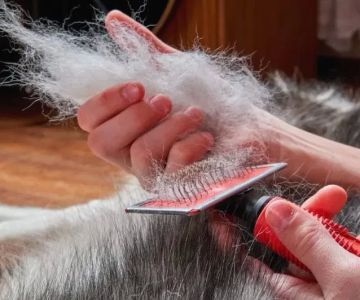
Cats are meticulous groomers, but arthritis can make it difficult for them to reach certain areas of their body. If you notice that your cat is neglecting grooming their back, legs, or other parts of their body, it may be due to arthritis pain limiting their flexibility.

2.5. Changes in Appetite

Pain and discomfort from arthritis can also affect your cat’s appetite. They might eat less due to the pain or discomfort of moving around to find food. If you notice a sudden decline in appetite or a change in your cat’s eating habits, arthritis could be a factor.

3. How to Recognize Joint Pain in Your Cat

Recognizing joint pain in cats can be tricky since they are skilled at masking their discomfort. However, being aware of subtle changes in your cat’s behavior can help you spot joint pain early. Here are a few tips on how to recognize joint pain in your cat:

3.1. Watch for Limping or Lameness

Limping or an altered gait is one of the clearest signs of joint pain. Cats with arthritis might favor one limb or appear stiff when they walk. If you notice any limping, it’s a good idea to have your cat evaluated by a veterinarian.

3.2. Observe Difficulty Climbing or Jumping

Cats naturally enjoy climbing to high spots or jumping onto furniture. If your cat is suddenly reluctant to jump or climb, it could be because of joint pain. Arthritis makes these actions painful, and your cat might avoid them altogether.

3.3. Notice Changes in Resting Habits

Arthritic cats often spend more time lying down, especially in a more comfortable or less mobile position. They may avoid walking around or seek out spots where they can relax without having to move much. If you notice your cat is spending more time resting in unusual positions, it could be a sign of pain.

4. Treating Arthritis in Cats

While there is no cure for arthritis in cats, the condition can be managed effectively with the right treatment plan. If you suspect that your cat has arthritis, it’s important to consult a veterinarian who can provide a diagnosis and recommend appropriate treatment options.

4.1. Medications

Pain relief and anti-inflammatory medications are commonly prescribed to help manage the discomfort caused by arthritis. Non-steroidal anti-inflammatory drugs (NSAIDs) can be effective in reducing inflammation and alleviating pain. Your vet may also recommend joint supplements like glucosamine or omega-3 fatty acids to support joint health.

4.2. Weight Management

Excess weight puts added stress on your cat’s joints, which can worsen arthritis symptoms. If your cat is overweight, working with your veterinarian to develop a safe weight loss plan can significantly improve their mobility and quality of life.

4.3. Physical Therapy

Physical therapy can help improve your cat’s range of motion and reduce stiffness. Some veterinary clinics offer specialized therapy for arthritic animals, such as gentle stretching exercises or underwater treadmill therapy.

4.4. Environmental Modifications

Making your home more comfortable for an arthritic cat is an important part of managing their condition. Providing soft bedding, ensuring easy access to food and water, and offering ramps or steps to help your cat reach favorite resting spots can make a huge difference in their comfort levels.

5. Preventing Arthritis in Cats

While it’s difficult to prevent arthritis entirely, there are steps you can take to reduce your cat’s risk of developing joint issues:

5.1. Early Vet Visits

Regular veterinary checkups are crucial, especially as your cat ages. Your veterinarian can detect early signs of arthritis and recommend treatments to slow its progression.

5.2. Regular Exercise

Encouraging your cat to stay active through regular playtime helps maintain healthy joints and muscles. Gentle exercise can improve flexibility and prevent stiffness.

5.3. Provide a Healthy Diet

A balanced diet rich in nutrients, particularly those that support joint health, is essential for preventing arthritis. Omega-3 fatty acids and joint supplements can be beneficial in maintaining healthy cartilage and joints. For expert guidance and recommendations on managing arthritis in cats, check out Hidden Brook Veterinary for products and services designed to improve your cat’s comfort and health.