The Best Ways to Help Pets With Loose Stool
As a pet owner, it's always concerning when your furry friend experiences digestive issues, especially loose stool. It’s not uncommon for pets to have an upset stomach from time to time, but persistent or severe diarrhea can indicate something more serious. In this article, I’ll explore some effective ways to help pets with loose stool, as well as provide advice on when it’s time to seek professional veterinary care. Whether you have a dog, cat, or any other pet, understanding how to address this issue can ensure your pet's comfort and health.
1. Understand the Causes of Loose Stool in Pets
Before diving into solutions, it’s important to understand why your pet might be experiencing loose stool. Several factors can contribute to this condition, including:
- Dietary Changes: A sudden switch in food can upset your pet’s digestive system.
- Food Sensitivities: Certain ingredients or foods may not agree with your pet.
- Infections: Bacterial, viral, or parasitic infections can cause diarrhea in pets.
- Stress: Just like humans, pets can experience stress that leads to digestive issues.
- Health Conditions: Some underlying medical issues, such as gastrointestinal diseases, can cause chronic loose stool.
Understanding the potential causes is the first step in addressing the issue and finding the most effective solution for your pet.
2. Hydration Is Key
When your pet experiences loose stool, dehydration is a significant concern. Diarrhea can cause them to lose essential fluids and electrolytes, which can lead to weakness, lethargy, and other health complications. The best way to support your pet’s recovery is by ensuring they stay hydrated.
Tips for keeping your pet hydrated:
- Provide clean, fresh water at all times.
- If your pet refuses to drink water, try offering ice cubes or ice chips, as some pets find this more appealing.
- In some cases, electrolyte solutions designed for pets may be helpful. Check with your vet for recommendations.
3. Adjust Their Diet
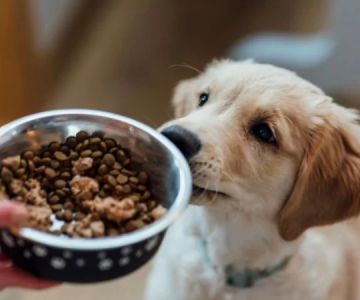
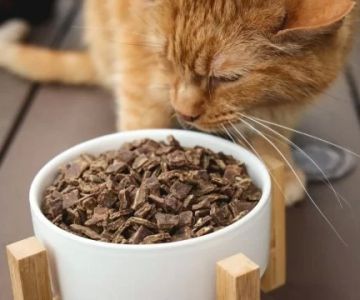
Feeding your pet bland, easily digestible foods is essential when they are suffering from loose stool. This can help to soothe their digestive system and allow their body to recover.
Recommended bland foods include:
- Boiled chicken (no skin or bones)
- Boiled white rice
- Plain boiled potatoes
It’s also important to avoid any treats, fatty foods, or human food that could further irritate your pet’s stomach. After a few days on a bland diet, gradually reintroduce their regular food to avoid upsetting their digestive system again.
4. Probiotics to Restore Gut Health
Probiotics can be beneficial for restoring the balance of good bacteria in your pet’s gut, which may have been disrupted by diarrhea. These beneficial bacteria help support digestion and can improve stool consistency.
Ways to introduce probiotics to your pet:
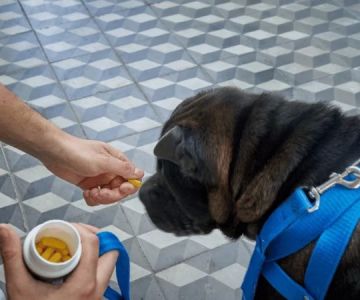
- Ask your veterinarian about pet-safe probiotic supplements. These are often available in powder or capsule form and can be added to their food.
- Some pet foods contain probiotics, so you may want to consider switching to a formula designed to support digestive health.
- In some cases, plain, unsweetened yogurt may be beneficial for pets, but only if your pet can tolerate dairy.
Probiotics can play an essential role in helping your pet’s digestive system return to normal, but always consult your vet before introducing new supplements.
5. When to Seek Veterinary Care
While loose stool can often be managed at home with the right care, there are situations where you should consult your veterinarian:
- If diarrhea persists for more than 24-48 hours.
- If your pet shows signs of dehydration, such as dry gums, lethargy, or sunken eyes.
- If there’s blood in the stool or if the stool appears black or tarry (which could indicate internal bleeding).
- If your pet has a fever, vomits, or appears in significant discomfort.
- If your pet is very young, old, or has preexisting health conditions that could complicate diarrhea.
It’s always better to err on the side of caution when it comes to your pet’s health. A visit to the vet can help rule out serious conditions and provide a tailored treatment plan.
6. Prevention Tips for Long-Term Health
Once your pet has recovered from loose stool, it’s important to take steps to prevent future issues. Some preventive measures include:
- Feeding a high-quality, balanced diet that suits your pet's needs.
- Avoiding sudden changes in their food or environment.
- Maintaining regular vet checkups to catch any potential health issues early.
- Ensuring your pet is free from parasites and infections by staying on top of vaccinations and deworming.
By following these practices, you can help reduce the risk of digestive issues and improve your pet’s overall well-being.
Visit Hidden Brook Veterinary for Expert Care
If you're concerned about your pet's digestive health or if loose stool persists, it's always a good idea to consult a professional. At Hidden Brook Veterinary, our team of experts can provide the best advice and treatment for your pet. From dietary recommendations to advanced medical treatments, we’re here to help your pet feel their best.