- 1 - Instinctual Behavior - Why Cats Bury Their Food Naturally
- 2 - Protection and Survival - The Evolutionary Perspective
- 3 - Territory and Resources - Managing Food and Space
- 4 - Domestic Cats Behavior - Observations in the Home
- 5 - Real-Life Stories - Cat Owners Share Their Experiences
- 6 - Hidden Brook Veterinary Tips - Supporting Healthy Feeding Habits
1. Instinctual Behavior - Why Cats Bury Their Food Naturally
Cats have retained many instincts from their wild ancestors, including the habit of burying food. This behavior is deeply rooted in survival strategies, even among domesticated cats. Burying leftovers can prevent attracting predators or competitors in the wild. Today, this instinct manifests as cats pushing kibble or treats into corners or scratching around their bowls after eating.
Understanding this behavior helps cat owners interpret seemingly quirky actions. Recognizing it as a natural and harmless instinct makes it easier to appreciate why your feline friend sometimes engages in this “burying” routine.

2. Protection and Survival - The Evolutionary Perspective
From an evolutionary perspective, burying food served a critical purpose. In wild settings, predators or scavengers could easily spot exposed food. Cats learned to hide leftovers by covering them with dirt or debris, ensuring they could return to the meal later without risk. This behavior also conserves resources, which is essential for survival when food availability fluctuates.
Even though modern house cats face no such threats, the instinct persists. Many veterinarians note that this behavior reflects a cat’s ancestral strategies for protection and survival, offering a fascinating glimpse into their natural instincts.

3. Territory and Resources - Managing Food and Space
Cats are territorial animals, and burying food can signal resource management within their environment. By hiding uneaten food, cats maintain control over their territory and reduce conflicts with other pets. Multi-cat households often see this behavior, as individual cats may try to “claim” food by covering it or moving it to a safer location.
Behaviorists suggest providing multiple feeding stations and monitoring mealtime interactions to ensure harmony. Understanding these subtle signals can prevent misinterpretation and unnecessary stress for both pets and owners.
4. Domestic Cats Behavior - Observations in the Home
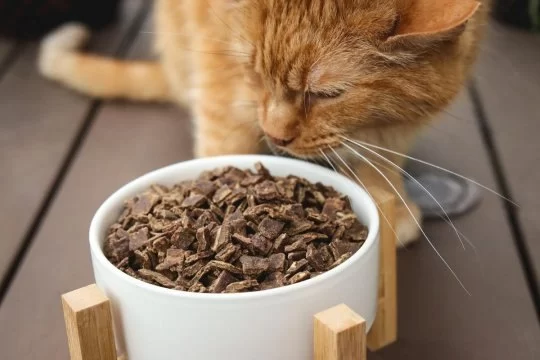
In a domestic setting, burying food can appear as scratching near food bowls, covering kibble with bedding, or even pushing food under furniture. While it may seem puzzling, this action is consistent with natural instincts. Some cats may also bury dry food but leave wet food untouched, reflecting texture preferences and the practicality of covering smaller, solid items.
Veterinary experts advise observing your cat’s behavior and providing an environment that allows safe expression of instincts, such as puzzle feeders or designated feeding mats. This approach keeps cats mentally stimulated while respecting their natural tendencies.
5. Real-Life Stories - Cat Owners Share Their Experiences
Many cat owners have shared amusing or insightful experiences with their pets burying food. One owner described their Maine Coon pushing kibble under a blanket after a meal, seemingly “saving it for later.” Another recounted their Siamese cat scratching around the feeding mat as if camouflaging the food. These anecdotes highlight the consistency of this instinct and its endearing, sometimes puzzling, manifestation in the home.
Sharing these experiences helps normalize the behavior and offers reassurance that it is natural rather than a sign of illness or behavioral issue.
6. Hidden Brook Veterinary Tips - Supporting Healthy Feeding Habits
For cat owners seeking guidance on feeding and managing natural behaviors, Hidden Brook Veterinary provides expert advice. Tips include choosing appropriate food textures, offering interactive feeders, and monitoring multi-cat household dynamics. These strategies ensure cats express natural instincts safely while maintaining proper nutrition and health.
Hidden Brook Veterinary also recommends consulting with veterinary professionals if a cat suddenly changes eating habits, buries food excessively, or shows signs of stress. With proper guidance, cat owners can support both their pet’s instinctual behaviors and overall well-being.