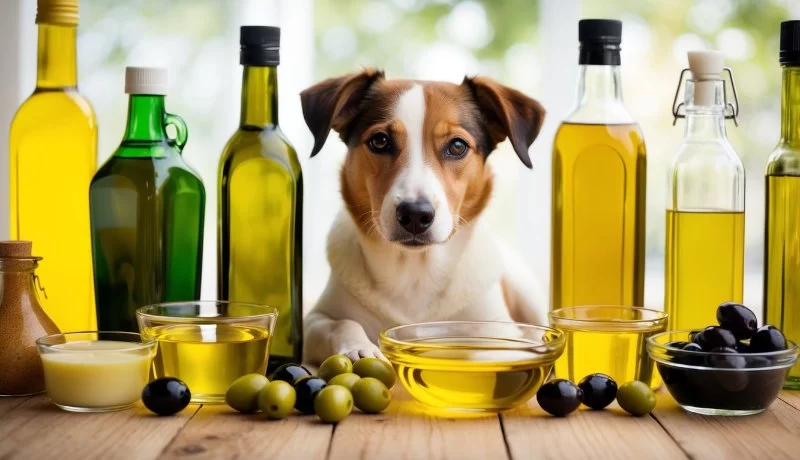
Olive oil is a staple in many households, renowned for its health benefits in humans. But can dogs eat olive oil? The short answer is yes, but with caution. While olive oil can provide certain health benefits for dogs, it's important to understand how to use it correctly. In this article, we will explore the benefits, risks, and proper usage of olive oil for dogs, helping you make an informed decision about adding it to your pet’s diet.
- 1. Benefits of Olive Oil for Dogs
- 2. How Much Olive Oil Can I Give My Dog?
- 3. Possible Risks and Side Effects of Olive Oil for Dogs
- 4. How to Include Olive Oil in Your Dog's Diet
- 5. When to Consult a Veterinarian
1. Benefits of Olive Oil for Dogs
Olive oil is packed with nutrients and antioxidants that can be beneficial for your dog’s health. When used in moderation, it can provide a variety of positive effects:

Rich in Healthy Fats
Olive oil is a great source of monounsaturated fats, which are considered heart-healthy. These fats can help improve your dog’s coat and skin condition by making the fur shinier and healthier. If your dog suffers from dry skin or dull fur, adding a small amount of olive oil to their diet could help restore moisture and shine.

Anti-inflammatory Properties
Olive oil contains oleocanthal, a compound with natural anti-inflammatory properties. This can be particularly beneficial for older dogs or those with joint issues like arthritis. Regular use of olive oil may help reduce inflammation, improve joint mobility, and alleviate pain caused by arthritis, making it a good addition to your dog’s overall health regimen.
Supports Digestive Health
Olive oil can promote healthy digestion in dogs. It has a mild laxative effect that can help alleviate constipation. The healthy fats in olive oil also aid in the absorption of vitamins and minerals, contributing to better overall digestion.
Boosts Immune System
The antioxidants in olive oil, such as vitamin E, can help boost your dog’s immune system. These antioxidants work to fight off free radicals, which can cause cellular damage over time. Adding olive oil to your dog’s diet may help enhance their natural defense system and protect them from illness.
2. How Much Olive Oil Can I Give My Dog?
While olive oil has health benefits, it’s important to use it in moderation. Too much olive oil can lead to weight gain and digestive issues. Here are general guidelines for adding olive oil to your dog’s diet:
Small Dogs
For small dogs (under 20 pounds), start with half a teaspoon of olive oil per day. You can gradually increase this amount to one teaspoon, depending on your dog’s tolerance and overall health.
Medium Dogs
For dogs weighing between 20 and 40 pounds, you can offer one teaspoon of olive oil daily. It’s safe to increase this amount to one tablespoon per day if your dog’s health benefits from the added fat.
Large Dogs
For large dogs (over 40 pounds), you can give up to one tablespoon of olive oil per day. Again, it’s essential to monitor your dog’s weight and overall health, adjusting the dosage if needed.
Always start with a small amount of olive oil and gradually increase it to see how your dog responds. If you notice any adverse reactions, such as diarrhea or weight gain, reduce the amount or discontinue use altogether.
3. Possible Risks and Side Effects of Olive Oil for Dogs
While olive oil can be beneficial, it’s not suitable for every dog. There are a few risks to consider before adding it to your dog’s diet:
1. Weight Gain
Olive oil is high in calories. If you give your dog too much, they could gain weight, especially if they are not getting enough exercise. Make sure to adjust your dog’s food intake if you’re adding olive oil to their diet to prevent unwanted weight gain.
2. Digestive Upset
Some dogs may experience digestive upset, such as diarrhea or an upset stomach, if they consume too much olive oil. Start with a small amount and monitor your dog’s stool for any signs of gastrointestinal discomfort.
3. Allergic Reactions
Although rare, some dogs may be allergic to olive oil. If you notice any signs of an allergic reaction, such as itching, swelling, or hives, stop using the oil immediately and consult with your veterinarian.
4. How to Include Olive Oil in Your Dog’s Diet
Introducing olive oil into your dog’s diet can be done in several ways. Here are a few ideas:
1. Drizzle on Food
The easiest way to add olive oil to your dog’s diet is by drizzling it over their food. You can mix it into dry kibble or wet food for added flavor and health benefits.
2. Use as a Treat
Some pet owners use olive oil as an ingredient in homemade dog treats. You can find recipes for dog biscuits that incorporate olive oil, which will give your dog a tasty treat while boosting their health.
3. Combine with Other Healthy Ingredients
For additional benefits, combine olive oil with other dog-safe superfoods like pumpkin, sweet potato, or green beans. These foods provide fiber and vitamins that support your dog’s digestion and overall health.
5. When to Consult a Veterinarian
Before adding any new ingredient to your dog’s diet, including olive oil, it’s always a good idea to consult with your veterinarian. They can help you determine the right amount based on your dog’s age, weight, and health condition. If your dog has any pre-existing health issues, such as pancreatitis or obesity, your vet may advise against using olive oil in their diet.
If your dog is experiencing any negative side effects from olive oil, such as diarrhea or vomiting, it’s essential to consult with your vet for further guidance. Your veterinarian can offer advice on alternative healthy fats or help you adjust your dog’s diet to ensure they’re getting the nutrients they need.
For expert advice and products tailored to your dog’s health, visit Hidden Brook Veterinary for guidance on nutrition, supplements, and more.