1. Are Green Beans Safe for Cats?
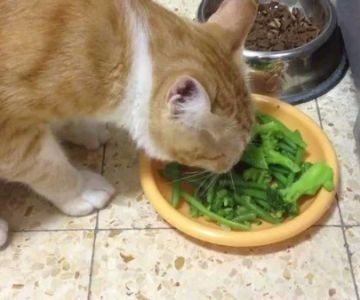
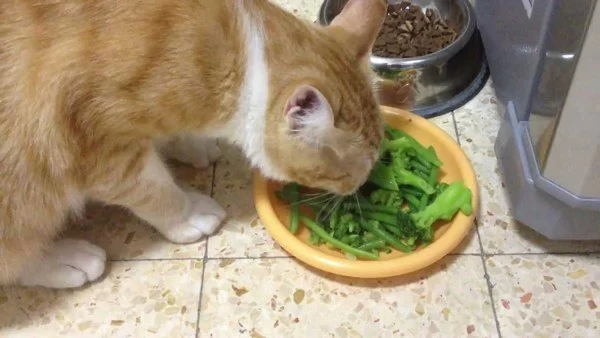
If you're considering adding green beans to your cat’s diet, you may be wondering whether it's safe for them to eat this vegetable. The short answer is yes—green beans are generally safe for cats when fed in moderation. In fact, many veterinarians recommend green beans as a low-calorie treat for cats, especially for those that are overweight or need help with portion control.
Green beans are non-toxic to cats and can provide some nutritional benefits. However, it's important to understand that cats are obligate carnivores, meaning they primarily need animal-based proteins in their diet. Green beans should never replace a balanced, meat-based cat food, but they can serve as an occasional treat to enhance your pet’s diet.

2. Health Benefits of Green Beans for Cats
Green beans offer a variety of health benefits that make them an attractive treat for cats. Here are a few reasons why green beans can be beneficial to your cat’s health:
- Low in Calories: Green beans are an excellent snack option for cats who need to lose weight or maintain a healthy weight. They are low in calories but high in fiber, making them a great way to keep your cat feeling full without adding extra calories to their diet.
- High in Fiber: Fiber is essential for good digestive health. Green beans provide a good amount of fiber, which can aid in regulating your cat’s digestive system and prevent constipation. A healthy digestive tract is important for your cat’s overall well-being.
- Rich in Nutrients: Green beans are packed with vitamins and minerals, such as vitamin A, C, and K, as well as folate and manganese. While cats don’t require a large amount of these nutrients from vegetables, they can still benefit from the added nutrition in green beans when consumed occasionally.
3. How to Feed Green Beans to Cats
Feeding green beans to your cat can be simple, but it’s essential to follow the right steps to ensure that your cat gets the benefits without any issues. Here’s how to safely feed green beans to your cat:
- Cook the Beans: While raw green beans aren’t toxic, they can be difficult for your cat to digest. Cooking the beans by steaming or boiling them is the best option. Avoid using any spices, oils, or butter, as these can be harmful to your cat.
- Cut Them into Small Pieces: To make it easier for your cat to eat and digest, cut the green beans into small, manageable pieces. This also reduces the risk of choking.
- Serve in Moderation: Green beans should be an occasional treat, not a regular part of your cat's diet. Offer a few pieces at a time, and always monitor your cat to ensure they tolerate the treat well.
- Introduce Slowly: When introducing any new food to your cat’s diet, it’s important to do so gradually. Start with a small amount of green beans and observe for any adverse reactions, such as gastrointestinal upset.
4. Risks and Considerations When Feeding Green Beans
While green beans are generally safe for cats, there are a few risks and considerations to keep in mind:
- Digestive Issues: Some cats may experience digestive upset, such as diarrhea or vomiting, when introduced to green beans. If this happens, discontinue feeding green beans and consult with your veterinarian.
- Portion Control: Overfeeding green beans, especially as a filler, can lead to an imbalanced diet. It’s important not to substitute a significant portion of your cat’s protein-rich food with vegetables like green beans.
- Choking Hazard: Large pieces of green beans can pose a choking risk, so always ensure that the beans are cut into small, bite-sized pieces.
5. Other Healthy Treats for Cats
In addition to green beans, there are several other healthy treats that you can offer to your cat to diversify their diet. Some options include:
- Carrots: Like green beans, carrots are low in calories and high in fiber. They also provide a good amount of beta-carotene, which is beneficial for vision.
- Cucumbers: Fresh cucumbers are another low-calorie, hydrating treat that cats often enjoy, especially during the hot months.
- Cooked Chicken: Offering small pieces of cooked, unseasoned chicken is an excellent way to give your cat a protein-rich snack that they will love.
Always remember to feed treats in moderation and consult with your veterinarian if you're ever unsure about what foods are appropriate for your cat.

6. Consult Hidden Brook Veterinary for Pet Health Products
For more information on your cat’s health and nutrition, visit Hidden Brook Veterinary. We offer a range of products and services to help keep your cat happy and healthy. Whether you're looking for dietary advice or special health treatments, our team of experts is here to assist you in providing the best care for your pet.