What Vegetables Should Cats Avoid? A Guide for Pet Owners
- 1. Understanding Your Cat's Diet
- 2. Harmful Vegetables for Cats
- 3. Safe Vegetables Cats Can Eat
- 4. How to Safely Include Vegetables in Your Cat's Diet
Cats are obligate carnivores, which means their diet primarily consists of meat. Unlike humans or dogs, cats do not require vegetables for nutrition. Their digestive systems are not designed to break down plant matter efficiently. While some cats may enjoy the taste of vegetables, it's important to know which ones are safe for them and which ones could cause harm. In this article, we’ll take a closer look at which vegetables cats should avoid to keep them safe and healthy.

Harmful Vegetables for Cats
Some vegetables can be toxic to cats or cause digestive issues. It's essential to know which vegetables should never be fed to your cat. Here are a few vegetables that you should keep away from your feline friend:
- Onions and Garlic: Onions, garlic, and chives are part of the allium family, and they can cause damage to a cat’s red blood cells, leading to anemia. Even small amounts can be toxic over time.
- Tomatoes: While ripe tomatoes are generally safe, green tomatoes and the stems and leaves of the tomato plant contain solanine, a toxic substance that can cause gastrointestinal distress and other serious health issues.
- Potatoes: Raw potatoes and potato skins contain solanine, a harmful compound that can cause vomiting, diarrhea, and lethargy in cats. Cooking the potato eliminates much of the toxicity, but it’s best to avoid giving them to cats altogether.
- Rhubarb: The leaves of the rhubarb plant contain oxalates, which can cause kidney damage and gastrointestinal issues in cats.
Safe Vegetables Cats Can Eat
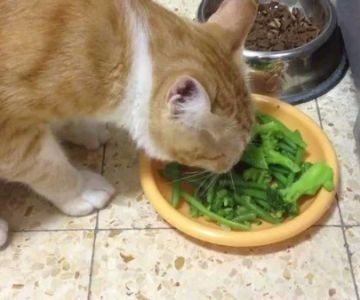
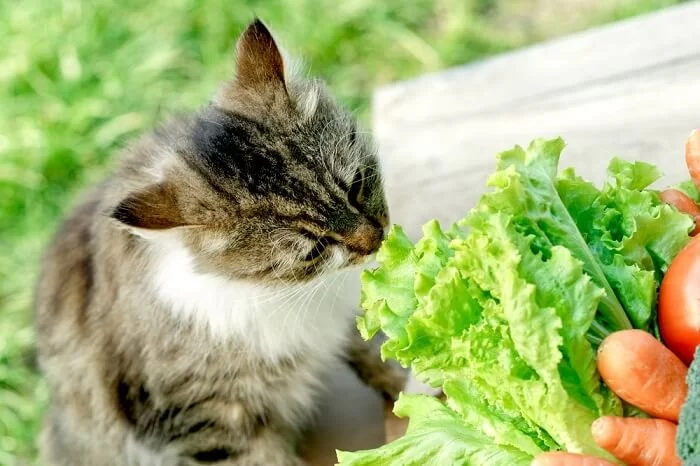
While cats primarily need meat, some vegetables can be a healthy snack if given in moderation. If you want to give your cat a vegetable treat, here are a few safe options:
- Carrots: Carrots are safe for cats and can provide a nice crunch that some cats enjoy. They are rich in vitamins and fiber, but should be given in small, manageable pieces to avoid choking.
- Cucumbers: Many cats enjoy the cool, crisp texture of cucumbers. They are low in calories and provide hydration, but should be cut into small slices to prevent choking hazards.
- Spinach: While spinach should be given sparingly, it’s generally safe for cats. It contains vitamins A and K, as well as folic acid. Avoid large quantities to prevent kidney issues due to its oxalate content.
- Peas: Green peas are a healthy, safe vegetable for cats. They are rich in fiber and protein, which can be beneficial for your cat’s diet. Many commercial cat foods include peas as an ingredient.
How to Safely Include Vegetables in Your Cat's Diet
If you decide to offer vegetables as a treat for your cat, there are a few guidelines to follow to ensure their safety:
- Start Slow: Introduce vegetables gradually into your cat’s diet. Start with small amounts and observe for any signs of digestive upset, such as vomiting or diarrhea.
- Cooked vs. Raw: Some vegetables, like carrots and peas, are safe both raw and cooked. However, cooking vegetables can make them easier to digest and reduce any potential digestive discomfort.
- Chop or Mash: Cut vegetables into small, manageable pieces or mash them up to avoid choking hazards, especially if your cat is a smaller breed.
- Limit Portions: Vegetables should only make up a small portion of your cat's diet, with meat remaining the primary food source.
If you’re unsure about which vegetables are safe for your cat, it’s always a good idea to consult with your veterinarian. For more pet care tips and products, visit Hidden Brook Veterinary for expert advice and recommendations.