- 1. Introduction to Sunflower Seeds for Cats
- 2. Can Cats Eat Sunflower Seeds?
- 3. Potential Benefits of Sunflower Seeds for Cats
- 4. Risks and Precautions When Feeding Sunflower Seeds
- 5. Alternative Treats for Cats
- 6. Conclusion
1. Introduction to Sunflower Seeds for Cats
Sunflower seeds are a popular snack for humans, but many pet owners wonder if they can share this treat with their cats. These seeds, often praised for their nutritional benefits in human diets, raise the question: Are they safe for cats to eat? In this article, we'll explore the answer to this question, along with the potential benefits and risks of feeding sunflower seeds to your feline friend. We’ll also look at alternative, safer treats for your cat’s health and well-being.
2. Can Cats Eat Sunflower Seeds?
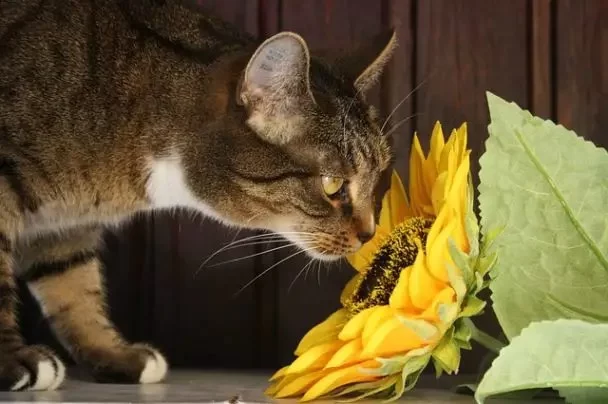
The short answer is yes, cats can eat sunflower seeds, but with certain precautions. Sunflower seeds are not toxic to cats, and they contain a variety of nutrients that can be beneficial in moderation. However, as with any human food, it's important to be cautious about how much you feed your pet and how the seeds are prepared. Let's break down the essential factors that determine whether sunflower seeds are a suitable snack for your cat.

2.1 Understanding the Nutritional Content of Sunflower Seeds
Sunflower seeds are rich in vitamins, minerals, and healthy fats, including vitamin E, magnesium, and selenium. While these nutrients can provide some health benefits for humans, cats have very different dietary needs. Cats are obligate carnivores, meaning their primary nutrition comes from animal-based proteins. As such, sunflower seeds should only be an occasional treat and not a staple of their diet.
2.2 Preparing Sunflower Seeds for Cats
If you decide to feed sunflower seeds to your cat, make sure they are plain, unsalted, and free of any additional seasonings. Salt and spices can be harmful to cats, leading to dehydration and kidney problems. Additionally, sunflower seeds should be offered in small quantities to avoid overfeeding and potential digestive upset.
3. Potential Benefits of Sunflower Seeds for Cats
Despite the fact that cats should not make sunflower seeds a regular part of their diet, there are a few potential benefits of offering them in moderation:
3.1 Rich in Healthy Fats
Sunflower seeds contain omega-6 fatty acids, which can help promote a healthy coat and skin for your cat. These healthy fats can also contribute to maintaining overall body function. However, as cats already receive most of their essential fats from animal-based sources, moderation is key.
3.2 A Source of Fiber
Fiber is another nutrient found in sunflower seeds, and it can support digestive health. For cats with occasional constipation or digestive issues, a small amount of fiber from sunflower seeds may provide some relief. But remember, fiber should come primarily from a balanced, high-quality cat food.
3.3 Antioxidants for Immune Health
Sunflower seeds contain antioxidants such as vitamin E, which can help support a cat’s immune system and fight free radicals. These antioxidants are important for overall health, but they are typically already provided through a balanced diet for your cat.
4. Risks and Precautions When Feeding Sunflower Seeds
While sunflower seeds are generally safe for cats, there are some important risks and precautions to keep in mind:
4.1 High Fat Content
Sunflower seeds are high in fat, which can contribute to obesity if consumed in excess. Obesity in cats can lead to serious health issues such as diabetes, joint problems, and heart disease. Therefore, it’s essential to limit the number of sunflower seeds you offer your cat to prevent overfeeding and weight gain.
4.2 Choking Hazard
Whole sunflower seeds can be a choking hazard for cats, particularly if they are not shelled. Always ensure that sunflower seeds are either shelled or crushed to avoid any risk of your cat choking. Never feed your cat large quantities of seeds at once, and monitor them closely when offering new foods.
4.3 Allergic Reactions
Some cats may have sensitivities or allergic reactions to sunflower seeds. If your cat exhibits signs of gastrointestinal upset, such as vomiting or diarrhea, after eating sunflower seeds, stop offering them and consult your vet for advice.
5. Alternative Treats for Cats
If you're looking for safe and healthy alternatives to sunflower seeds, consider the following options that are more suitable for cats:
5.1 Commercial Cat Treats
There are many cat treats on the market designed to meet the nutritional needs of felines. These treats are often packed with protein and vitamins essential for your cat's health, and they come in a variety of flavors and textures that cats love.
5.2 Fresh Meat or Fish
Offering small portions of cooked meat or fish (without seasoning or bones) is a great way to provide a protein-packed treat for your cat. These are closer to their natural diet and are usually better for their digestive system.
5.3 Catnip
Catnip is a safe and enjoyable treat for many cats. It can stimulate your cat’s senses and provide mental stimulation. Just be sure to offer it in moderation, as not all cats respond to catnip.
6. Conclusion
In conclusion, while sunflower seeds are not toxic to cats, they should only be offered in moderation as a special treat. Cats are obligate carnivores and require animal-based proteins to thrive. Sunflower seeds can provide some benefits, such as healthy fats and fiber, but they should not make up a significant part of your cat’s diet. Always ensure that any seeds are prepared safely, and consult your veterinarian before introducing new foods into your cat’s diet to avoid any potential health risks.
For more pet care advice and to find the best products for your furry friend, visit Hidden Brook Veterinary to shop for the highest-quality pet health products.