Can Cats Eat Brussel Sprouts?
- 1. Understanding Cats and Their Diet
- 2. The Nutritional Value of Brussel Sprouts
- 3. Are Brussel Sprouts Safe for Cats?
- 4. Potential Benefits and Risks of Brussel Sprouts for Cats
- 5. What to Do if Your Cat Eats Brussel Sprouts
- 6. Recommended Alternatives to Brussel Sprouts for Cats
1. Understanding Cats and Their Diet
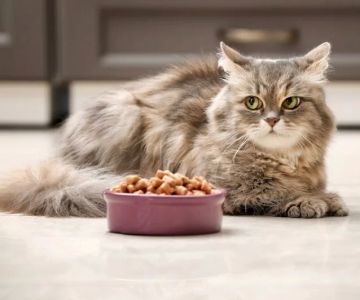
Cats are obligate carnivores, meaning their bodies are biologically designed to thrive on a meat-based diet. Unlike humans and other animals, cats cannot process plant matter as efficiently. While cats may occasionally nibble on grass or plants, their primary nutritional needs must be met through animal protein. This is important to consider when thinking about what foods are safe for them, particularly when it comes to fruits and vegetables.
It's always essential to check if certain plant-based foods, like vegetables, are safe for cats. While some vegetables can offer health benefits, others may cause digestive upset or even toxicity. Understanding what’s safe and what’s not is vital for ensuring your cat's health and well-being.

2. The Nutritional Value of Brussel Sprouts
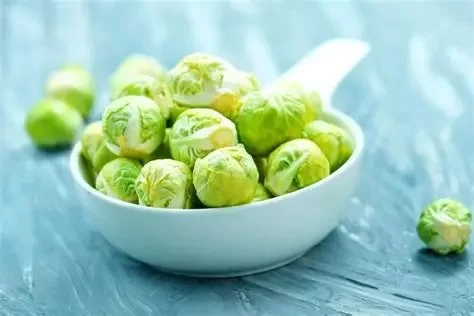
Brussel sprouts are a member of the cruciferous vegetable family, rich in vitamins and minerals such as Vitamin C, Vitamin K, and fiber. They also contain antioxidants, which are beneficial for humans and can help fight off free radicals. However, these nutrients may not be as beneficial to cats as they are to people, due to their different dietary needs.
For humans, brussel sprouts provide several health benefits, including supporting immune function and promoting digestive health. While cats may occasionally enjoy the taste, they do not require the nutrients that brussel sprouts provide, as their primary source of nutrition should come from high-quality animal protein.
3. Are Brussel Sprouts Safe for Cats?
Brussel sprouts are not toxic to cats, meaning they are generally safe to consume in small amounts. However, it’s essential to note that feeding brussel sprouts to cats is not recommended on a regular basis. While brussel sprouts don't pose an immediate danger to your cat, they can cause digestive upset if eaten in large quantities. The high fiber content can be difficult for cats to process and may lead to symptoms like gas, bloating, or diarrhea.
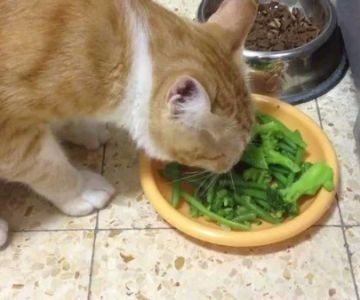
If you decide to give your cat brussel sprouts, ensure they are cooked and free of any seasoning, as spices and salt can be harmful to cats. Also, always offer brussel sprouts in small, manageable pieces to avoid choking hazards.
4. Potential Benefits and Risks of Brussel Sprouts for Cats
While brussel sprouts are not essential to a cat’s diet, there are a few potential benefits and risks associated with feeding them to your cat:
Potential Benefits:
- Fiber Content: The fiber in brussel sprouts can aid in digestion and help with mild constipation in cats, though this should only be done under the guidance of a vet.
- Vitamins and Antioxidants: While cats don’t need the vitamins found in brussel sprouts, small amounts could provide a boost of antioxidants that may support their overall health.
Potential Risks:
- Gastrointestinal Upset: Due to their high fiber content, brussel sprouts can cause bloating, gas, and diarrhea in cats if consumed in large amounts.
- Choking Hazard: Like any vegetable, brussel sprouts can be a choking hazard if not prepared properly. Make sure to cut them into small, easily digestible pieces.
- Nutritional Imbalance: Too many vegetables can interfere with the proper balance of nutrients in your cat’s diet, especially if they are fed in place of meat-based foods.
5. What to Do if Your Cat Eats Brussel Sprouts
If your cat eats brussel sprouts, there’s no immediate cause for panic unless they consume a large quantity or show signs of distress. If they eat a small piece, you may just notice some mild digestive upset, such as gas or bloating. Monitor your cat for any unusual symptoms like diarrhea, vomiting, or loss of appetite.
If your cat has eaten a large amount or shows signs of illness, contact your veterinarian immediately. It’s always better to be safe and have a professional assess your pet’s condition. They may recommend keeping your cat hydrated and may suggest a bland diet until the digestive upset resolves.
6. Recommended Alternatives to Brussel Sprouts for Cats
If you’re looking to introduce some healthy plant-based options into your cat’s diet, there are safer alternatives to brussel sprouts that can offer a variety of nutrients without the digestive concerns. Some of these include:
1. Cooked Carrots
Cooked carrots are a good alternative, as they are easy for cats to digest and contain vitamins like beta-carotene. Carrots should always be cooked and cut into small pieces to avoid choking hazards.
2. Pumpkin
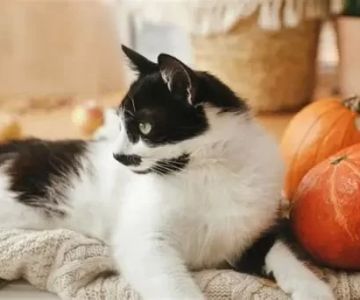
Plain cooked pumpkin (without added spices or sugar) is a great source of fiber and can help regulate your cat’s digestion. It’s particularly beneficial for cats that experience constipation.
3. Peas
Green peas are a safe option in small quantities. They provide vitamins and fiber without the risk of digestive upset seen with brussel sprouts. Ensure they are cooked and served in small portions.
When in doubt, always consult with your veterinarian about the best food options for your cat. If you’re looking for more tips and guidance on your pet’s diet, visit Hidden Brook Veterinary for expert advice and product recommendations.