- 1. Is Shrimp Safe for Cats?
- 2. Health Benefits of Shrimp for Cats
- 3. Potential Risks of Feeding Shrimp to Cats
- 4. How to Feed Shrimp to Cats Safely
- 5. Why Choose Hidden Brook Veterinary for Your Pet Care
1. Is Shrimp Safe for Cats?
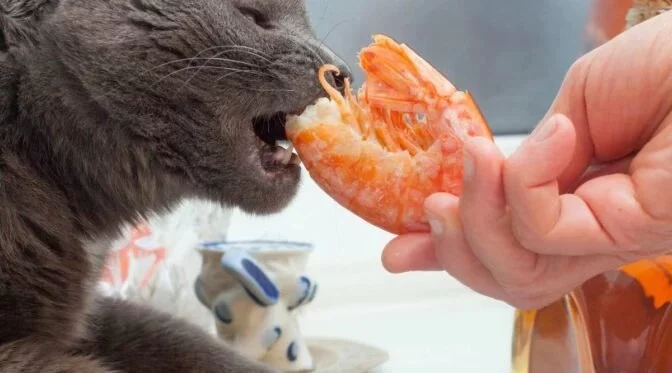
If you're a cat owner, you may be wondering whether it's safe to feed your feline friend shrimp. The good news is that, in moderation, shrimp can be a healthy treat for cats. However, like with any food outside of their regular diet, there are certain precautions and considerations to keep in mind before sharing this seafood delight with your pet.
While shrimp is not toxic to cats, it is essential to remember that it should be offered in small, appropriate amounts. Feeding your cat shrimp as an occasional treat can provide protein and essential nutrients. However, if not prepared properly or consumed excessively, shrimp could pose some risks. Let’s dive into the health benefits and potential risks of shrimp for cats.

2. Health Benefits of Shrimp for Cats
Shrimp offers several nutritional benefits for cats. This seafood is low in fat and high in protein, making it a great choice for promoting lean muscle growth and supporting overall health. Here are a few key benefits of feeding shrimp to your cat:
- High in Protein: Shrimp is packed with protein, which is essential for cats to maintain muscle mass and overall vitality. Cats are obligate carnivores, meaning they require animal-based proteins for optimal health.
- Rich in Nutrients: Shrimp contains important nutrients such as vitamin B12, iodine, and omega-3 fatty acids. These nutrients can help support your cat’s immune system, promote a healthy coat, and improve cognitive function.
- Low in Calories: Since shrimp is low in calories and fat, it’s a good option for cats that need to maintain a healthy weight. It can serve as a great alternative to higher-calorie treats.
When fed in moderation, shrimp can be a healthy addition to your cat’s diet, offering a tasty and nutrient-dense treat to supplement their regular meals.

3. Potential Risks of Feeding Shrimp to Cats
Although shrimp can offer benefits, there are potential risks that pet owners should be aware of. Here are some things to consider before feeding shrimp to your cat:
- Allergies: Some cats may be allergic to shrimp or other shellfish, which could cause digestive issues, skin irritation, or respiratory problems. Always observe your cat for any adverse reactions after introducing shrimp into their diet.
- Choking Hazard: Shrimp should always be peeled and deveined before feeding it to your cat. The shell and tail can pose a choking hazard, or even cause digestive blockages.
- High Sodium Content: Shrimp can be high in sodium, especially when cooked with seasonings or added to processed foods. Too much sodium in a cat’s diet can lead to dehydration or other health issues, including kidney problems.
- Potential Contaminants: Like many seafood products, shrimp can be contaminated with harmful substances like mercury or other toxins. Make sure to purchase shrimp from reputable sources to ensure quality and safety.
It’s important to limit the amount of shrimp you feed your cat, ensuring it is an occasional treat rather than a regular part of their diet. This will help mitigate potential risks associated with overconsumption.
4. How to Feed Shrimp to Cats Safely
To ensure your cat enjoys shrimp safely, follow these guidelines:
- Remove the Shell: Always peel the shrimp and remove the tail and head before offering it to your cat. The shell can be a choking hazard, and the digestive system of a cat is not equipped to handle it.
- Cook the Shrimp: Raw shrimp can carry harmful bacteria or parasites that may upset your cat’s stomach. Always cook shrimp thoroughly before feeding it to your cat, and avoid adding any seasoning, salt, or butter.
- Offer Small Portions: Shrimp should be offered as an occasional treat. A small piece is enough—too much shrimp can upset your cat’s stomach or contribute to obesity.
- Watch for Allergic Reactions: When you first feed shrimp to your cat, monitor for any signs of allergies such as vomiting, diarrhea, or skin reactions. If you notice anything unusual, discontinue feeding shrimp and consult your vet.
By following these guidelines, you can safely incorporate shrimp into your cat’s diet as a treat that offers a boost of protein and nutrients. Just be sure to introduce it gradually and keep portion sizes small.
5. Why Choose Hidden Brook Veterinary for Your Pet Care
At Hidden Brook Veterinary, we care about your pet’s health and well-being. Our experienced team can provide you with expert advice on your pet’s diet, including how to safely incorporate special treats like shrimp. We are here to support your pet's nutrition, recovery, and general health.
If you have concerns about what foods are safe for your cat or need help with your pet’s dietary needs, contact us today for professional guidance. Let us help you ensure your cat stays healthy and happy with the best care possible.