- Understanding-urinary-health-issues-in-cats
- The-best-ways-to-feed-cats-with-urinary-health-issues
- Choosing-the-right-type-of-cat-food
- Hydration-and-its-critical-role
- Real-life-story-managing-a-cats-urinary-problem
- Foods-and-habits-to-avoid
- Building-a-long-term-feeding-strategy
1. Understanding Urinary Health Issues in Cats
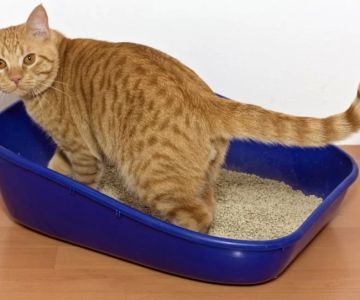
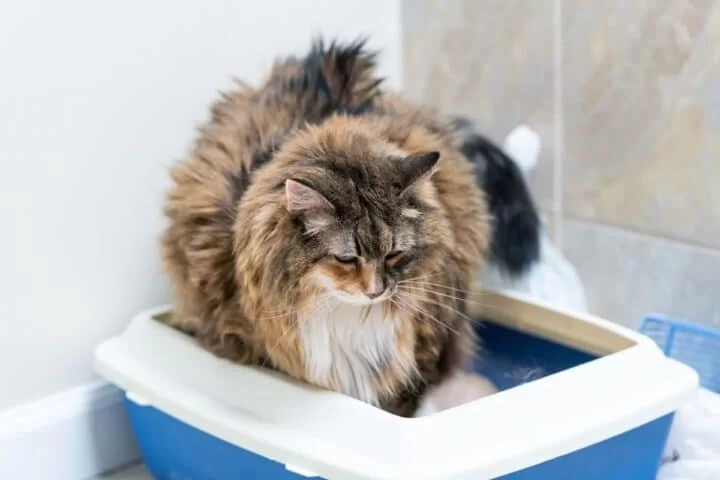
I still remember the first time my cat showed signs of urinary discomfort. It started subtly—frequent trips to the litter box, a bit of restlessness, and then eventually visible discomfort. At that moment, I realized how serious urinary health issues can be in cats, especially when left unmanaged.
Urinary problems in cats often include conditions like urinary tract infections, bladder inflammation, or crystal formation. These issues are not only painful but can quickly become life-threatening if not addressed. What I learned early on is that diet plays a major role in both prevention and recovery.

1.1 Why Nutrition Matters More Than You Think
Cats are naturally prone to low water intake, especially if they rely heavily on dry food. This creates concentrated urine, which can lead to crystal formation and blockages.
1.1.1 The Link Between Diet and Urinary Health
A properly balanced diet can help regulate urine pH, reduce mineral buildup, and promote hydration—all of which are essential for maintaining a healthy urinary system.
2. The Best Ways to Feed Cats With Urinary Health Issues
When I started researching The Best Ways to Feed Cats With Urinary Health Issues, I realized that it’s not about one single solution. It’s about combining several small but important changes that work together to support your cat’s health.
2.1 Prioritize Wet Food Over Dry Food
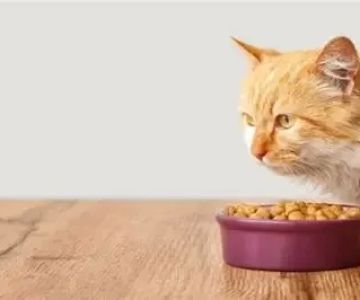
Switching to wet food was one of the first changes I made, and it had a noticeable impact. Wet food contains significantly more moisture, which helps dilute urine and reduce the risk of crystal formation.
2.1.1 Why Moisture Is Essential
Hydration supports kidney function and flushes out toxins. For cats with urinary issues, this is one of the most important factors in recovery.
2.2 Choose Veterinary-Approved Diets
Specialized urinary health diets are formulated to control mineral levels and maintain optimal urine pH. These diets are often recommended by veterinarians for cats with recurring issues.
3. Choosing the Right Type of Cat Food
Not all cat foods are created equal, and I learned that reading labels carefully can make a big difference.
3.1 Look for Controlled Mineral Content
Excess minerals like magnesium and phosphorus can contribute to crystal formation. High-quality urinary diets carefully regulate these components.
3.1.1 Balanced Nutrition Matters
It’s not just about removing harmful elements—it’s about ensuring your cat still gets all the nutrients they need for overall health.
3.2 Avoid Low-Quality Fillers
Cheap fillers and artificial additives can negatively affect digestion and urinary balance. I always opt for cleaner, more natural ingredient lists.
4. Hydration and Its Critical Role
If there’s one lesson I’ve learned, it’s that hydration can’t be overlooked. Cats don’t naturally drink enough water, so it’s up to us to encourage it.
4.1 Multiple Water Sources
I started placing water bowls in different areas of my home, and surprisingly, it worked. My cat drank more simply because water was more accessible.
4.1.1 Water Fountains Make a Difference
Flowing water tends to attract cats. Investing in a water fountain significantly increased my cat’s water intake.
4.2 Mixing Water Into Food
Adding a small amount of water or broth to wet food can further boost hydration without affecting taste.
5. Real-Life Story: Managing a Cat’s Urinary Problem
After my cat’s diagnosis, I felt overwhelmed. There were so many recommendations, and I wasn’t sure where to start. I decided to focus on small, manageable changes—switching to wet food, encouraging hydration, and following my vet’s advice.
5.1 The Turning Point
Within a few weeks, I noticed a clear improvement. My cat was more active, less stressed, and no longer showed signs of discomfort.
5.1.1 What This Experience Taught Me
Consistency is key. There’s no instant fix, but with the right approach, you can significantly improve your cat’s quality of life.
6. Foods and Habits to Avoid
Knowing what not to do is just as important as knowing what to do.
6.1 Avoid Excessive Dry Food
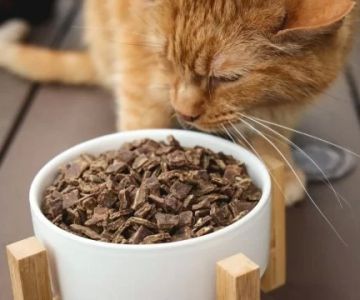
Dry food alone often lacks the moisture needed for urinary health, especially for cats already prone to issues.
6.1.1 Limit Treats With High Mineral Content
Some treats contain high levels of minerals that can contribute to urinary problems. Moderation is essential.
6.2 Don’t Ignore Early Symptoms
Small signs like changes in litter box habits should never be ignored. Early intervention can prevent serious complications.
7. Building a Long-Term Feeding Strategy
Managing urinary health isn’t just about short-term fixes—it’s about creating a sustainable routine.
7.1 Consistency Over Perfection
I’ve learned that sticking to a consistent feeding schedule and diet is more effective than constantly changing foods.
7.1.1 Regular Vet Checkups
Routine checkups help monitor progress and catch potential issues early.
If you’re navigating similar challenges, Hidden Brook Veterinary offers reliable guidance, tailored nutrition advice, and trusted solutions to help you apply The Best Ways to Feed Cats With Urinary Health Issues in a practical and effective way for your pet’s long-term health.