- are-tomatoes-safe-for-dogs-to-eat
- can-dogs-eat-lettuce-without-risk
- how-to-serve-tomatoes-and-lettuce-safely-to-dogs
- real-experiences-of-dog-owners-and-vets
- when-to-avoid-lettuce-and-tomatoes-in-your-dogs-diet
- talk-to-a-vet-before-changing-your-dogs-diet
Are Tomatoes Safe for Dogs to Eat?
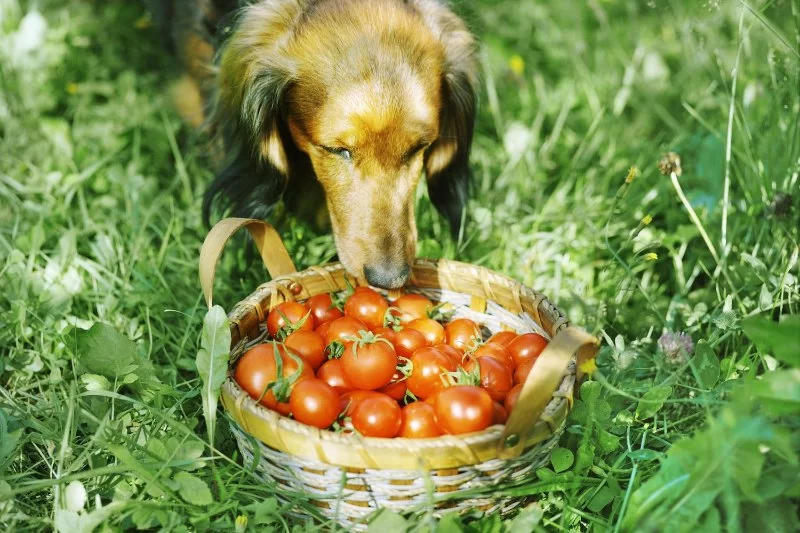
When asking, can dogs eat tomatoes and lettuce, tomatoes are often the trickier half. The answer is—yes, but with caution. Ripe tomatoes are generally safe for dogs in small amounts. However, the green parts of the plant (leaves, stems, and unripe tomatoes) contain solanine, which can be toxic to dogs if ingested in large quantities. That’s why moderation and preparation matter.
Veterinarians typically suggest removing all stems and only offering ripe, red tomatoes. Never give your dog tomato sauce or soups that contain onion, garlic, or added salt. If your dog accidentally chews on a tomato plant, it’s best to contact your local vet immediately.

Can Dogs Eat Lettuce Without Risk?
Unlike tomatoes, lettuce is almost always safe for dogs. Romaine, iceberg, and butterhead lettuces can offer hydration and a light source of fiber. They’re low in calories and fat, making them ideal for dogs with weight concerns. That said, large amounts may cause mild digestive upset such as diarrhea.
The most important rule? Keep it plain. No salad dressings, no seasoning—just fresh, washed lettuce in bite-sized pieces. Think of it as a crunchy, hydrating treat—not a replacement for balanced meals.

How to Serve Tomatoes and Lettuce Safely to Dogs
1. Start with Small Quantities
If it’s your dog’s first time trying these veggies, introduce a tiny portion and observe. Not all dogs react the same way to new foods.
2. Wash Thoroughly
Always wash tomatoes and lettuce to remove pesticides or chemicals that may irritate your dog’s stomach—or worse.
3. Cut Into Manageable Pieces
Chopping vegetables into small bites makes it safer for dogs to chew and digest. This is especially important for small breeds.
4. Avoid Salt, Oil, and Toppings
Human salads may be delicious, but things like dressing, croutons, or even cheese can be harmful to pets.
Real Experiences of Dog Owners and Vets
Lauren from San Diego once shared, “I gave Max a slice of tomato off my sandwich. He loved it, but I didn’t realize the sauce had onions. A quick trip to the vet later, and I learned to double-check every ingredient.” This story reinforces how one innocent bite can turn into a health scare.
According to Dr. Samuels, a veterinarian at Hidden Brook Veterinary, “Tomatoes and lettuce are fine in moderation. I often recommend lettuce for hydration on hot days—but keep it simple. When owners treat vegetables like treats rather than meals, dogs tend to tolerate them well.”
When to Avoid Lettuce and Tomatoes in Your Dog’s Diet
If your dog has a sensitive stomach, food allergies, or a history of digestive issues, you may want to skip vegetables altogether or consult a vet first. Also, avoid tomatoes and lettuce if your dog is on a special medical diet, as it may interfere with the nutritional balance.
Watch for symptoms like vomiting, drooling, lethargy, or tremors after trying new vegetables—especially tomatoes. These could indicate toxicity or intolerance and require immediate vet attention.
Talk to a Vet Before Changing Your Dog’s Diet
Whether you’re introducing tomatoes, lettuce, or any new food into your pet’s routine, consulting with a veterinary professional is always the safest route. Every dog is different, and what’s safe for one might be problematic for another.
If you’re unsure about what vegetables are right for your dog, or need tailored feeding advice, we recommend checking out Hidden Brook Veterinary. They offer expert guidance, personalized care plans, and trusted advice to ensure your pet stays healthy and happy—every single day.