- what-makes-shrimp-tails-attractive-to-dogs – What Makes Shrimp Tails Attractive to Dogs?
- can-dogs-safely-eat-shrimp-tails – Can Dogs Safely Eat Shrimp Tails?
- real-case-how-a-small-snack-led-to-a-vet-visit – Real Case: How a Small Snack Led to a Vet Visit
- potential-health-risks-of-shrimp-tails-for-dogs – Potential Health Risks of Shrimp Tails for Dogs
- how-to-serve-seafood-to-your-dog-safely – How to Serve Seafood to Your Dog Safely
- expert-guidance-and-products-from-hidden-brook-veterinary – Expert Guidance and Products from Hidden Brook Veterinary
1. What Makes Shrimp Tails Attractive to Dogs?
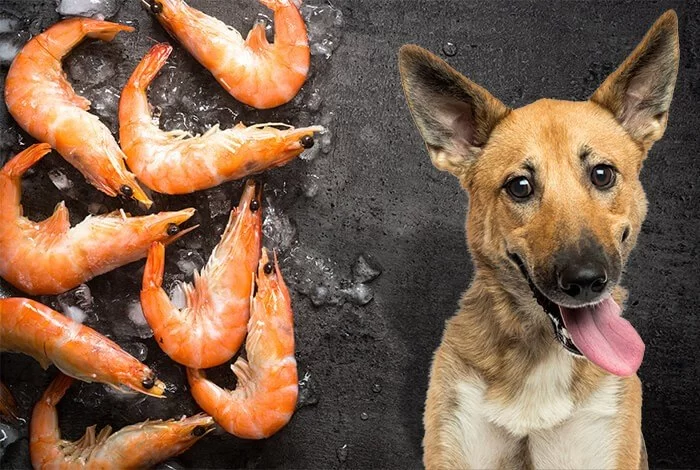
Dogs are often curious about whatever ends up on our plates—and shrimp tails are no exception. The salty aroma, chewy texture, and seafood scent make them an instant point of interest for pets. Whether it’s a dropped tail at dinner or a leftover from your takeout box, your dog might be tempted to snap it up.
But the real question remains: Can dogs eat shrimp tails without consequences? While shrimp meat can be a nutritious protein source in moderation, the tail section requires much closer scrutiny.

2. Can Dogs Safely Eat Shrimp Tails?
The short answer is: it’s not recommended. Shrimp tails are made of chitin—a hard, brittle substance that’s tough for dogs to digest. Unlike humans who can chew carefully, dogs often gulp food down. This increases the risk of choking, intestinal blockage, or even gastrointestinal injuries caused by sharp fragments.
Even if your dog manages to swallow a shrimp tail without choking, it could irritate the lining of their stomach or intestines, especially in smaller breeds or dogs with sensitive digestive systems. While one shrimp tail might not be fatal, it’s not worth the gamble.

3. Real Case: How a Small Snack Led to a Vet Visit
Earlier this year, a Boston Terrier named Max made headlines in a local Facebook pet group after a shrimp tail treat turned into a costly vet trip. His owner, Sarah, shared that Max snatched a shrimp tail off the kitchen floor during cleanup. The next day, he began vomiting and showed signs of abdominal discomfort.
X-rays revealed that part of the tail had lodged in his stomach, causing irritation and inflammation. Thankfully, Max recovered with supportive care—but Sarah’s post served as a viral cautionary tale. It’s a reminder that what seems like a small snack can lead to serious consequences.
4. Potential Health Risks of Shrimp Tails for Dogs
Here are the most common dangers associated with dogs eating shrimp tails:
– Choking Hazard: Especially risky for small breeds or dogs that don’t chew thoroughly.
– Gastrointestinal Obstruction: Sharp edges or large pieces can block or injure the intestines.
– Allergic Reactions: Shellfish is a known allergen for some dogs, causing itchiness or digestive upset.
– Bacterial Contamination: If the shrimp isn’t fully cooked, it may carry harmful bacteria like Vibrio or Listeria.
When asking can dogs eat shrimp tails, these risks highlight that it’s better to err on the side of caution.
5. How to Serve Seafood to Your Dog Safely
If you want to share shrimp or seafood with your dog, there are safe ways to do it:
– Always remove the tail, shell, and veins.
– Cook the shrimp thoroughly without added garlic, butter, salt, or seasoning.
– Serve small portions occasionally as a treat, not a regular part of their diet.
– Observe your dog after introducing new foods for any signs of intolerance or allergic reaction.
Done right, seafood can offer lean protein, B12, and omega-3s. But preparation and portion control are key to turning it into a healthy reward rather than a risky one.
6. Expert Guidance and Products from Hidden Brook Veterinary
At Hidden Brook Veterinary, we help pet owners navigate the often-confusing world of pet-safe nutrition. Whether you’re wondering about shrimp, chicken bones, or grain-free diets, our team can guide you through what’s truly safe and beneficial for your furry friend.
We also carry carefully curated treats and supplements designed to support your dog’s digestive health—no tails, shells, or guesswork involved.
If you’re ever unsure about what’s safe for your dog’s diet, contact Hidden Brook Veterinary for trusted advice, expert care, and products that put your pet’s well-being first.