- 1. Can Dogs Eat Scrambled Eggs?
- 2. Nutritional Benefits of Scrambled Eggs for Dogs
- 3. Risks of Feeding Scrambled Eggs to Dogs
- 4. How to Serve Scrambled Eggs to Your Dog Safely
- 5. Alternatives to Scrambled Eggs for Dogs
1. Can Dogs Eat Scrambled Eggs?
As dog owners, we often look for new and tasty ways to treat our furry friends. One popular human food that many pet owners wonder about is scrambled eggs. If you’ve been asking yourself, “Can dogs eat scrambled eggs?” the answer is yes, but with some important considerations. Eggs, including scrambled eggs, can be a nutritious snack for dogs when prepared properly and given in moderation.
In this article, we’ll dive into the benefits of scrambled eggs for dogs, potential risks, and how to safely incorporate them into your dog’s diet. We’ll also explore alternatives to scrambled eggs that can be just as tasty and beneficial for your pet.

2. Nutritional Benefits of Scrambled Eggs for Dogs
Scrambled eggs can provide numerous nutritional benefits for dogs, making them an excellent occasional treat. Here are some of the key nutrients in scrambled eggs that can be beneficial for your dog:
- Protein: Eggs are a great source of high-quality protein, which is essential for muscle growth, repair, and overall health in dogs. Protein helps in the development and maintenance of healthy tissues, including the skin, coat, and muscles.
- Vitamins and Minerals: Eggs are rich in vitamins such as vitamin A, B12, and riboflavin, as well as minerals like iron and selenium. These nutrients are essential for your dog’s immune system, vision, and overall cellular function.
- Fat: Eggs contain healthy fats, which can provide energy for your dog and help maintain healthy skin and coat. However, it’s important to serve them in moderation to avoid excess calorie intake.
- Omega-3 Fatty Acids: Some eggs, particularly those from hens fed an omega-3 enriched diet, can provide these essential fatty acids, which are beneficial for your dog’s coat and skin health, as well as for reducing inflammation.
Overall, scrambled eggs can be a healthy and nutritious addition to your dog’s diet when offered occasionally, but they should not be the primary source of nutrition. They should complement a balanced dog food diet.

3. Risks of Feeding Scrambled Eggs to Dogs
While scrambled eggs offer benefits, there are also risks to consider before adding them to your dog’s diet. Here are some of the potential risks:
- Excess Calories: Scrambled eggs can be high in calories, especially if cooked with butter or oil. If your dog is prone to weight gain or is overweight, excessive egg consumption may lead to obesity. Always consider your dog’s daily calorie intake when offering eggs as a treat.
- Allergic Reactions: Some dogs may have allergies or sensitivities to eggs. Signs of an allergic reaction could include digestive issues like vomiting or diarrhea, as well as skin irritation or itching. If you’re introducing eggs to your dog for the first time, start with a small amount to see how they react.
- Uncooked Eggs: Feeding raw eggs can expose your dog to the risk of salmonella. While the risk is relatively low, it’s safer to feed them fully cooked eggs to avoid any potential issues with bacteria.
- Seasonings and Additives: Many people add salt, pepper, or other seasonings to their scrambled eggs. These seasonings, especially salt, can be harmful to dogs. Always ensure that the eggs are plain and free of any added seasonings before offering them to your dog.
4. How to Serve Scrambled Eggs to Your Dog Safely
To ensure that scrambled eggs are a safe and healthy treat for your dog, here are some tips on how to prepare and serve them:
- Cook Eggs Plain: Avoid using butter, oil, or any seasonings when preparing scrambled eggs for your dog. Simply cook the eggs in a pan on low heat, and avoid adding anything that could be harmful to your dog.
- Serve in Moderation: Scrambled eggs should be served as an occasional treat, not as a regular part of your dog’s diet. A small amount once or twice a week is generally sufficient, depending on your dog’s size and dietary needs.
- Cut into Small Pieces: For smaller dogs or dogs with digestive sensitivities, cut the scrambled eggs into small pieces to prevent choking and aid in digestion.
- Monitor for Allergies: After serving scrambled eggs for the first time, keep an eye on your dog for any signs of an allergic reaction. If they experience any discomfort, discontinue feeding eggs and consult a veterinarian.
5. Alternatives to Scrambled Eggs for Dogs
If your dog isn’t a fan of scrambled eggs or you want to provide a different treat, there are several alternatives that can offer similar nutritional benefits. Here are some options:
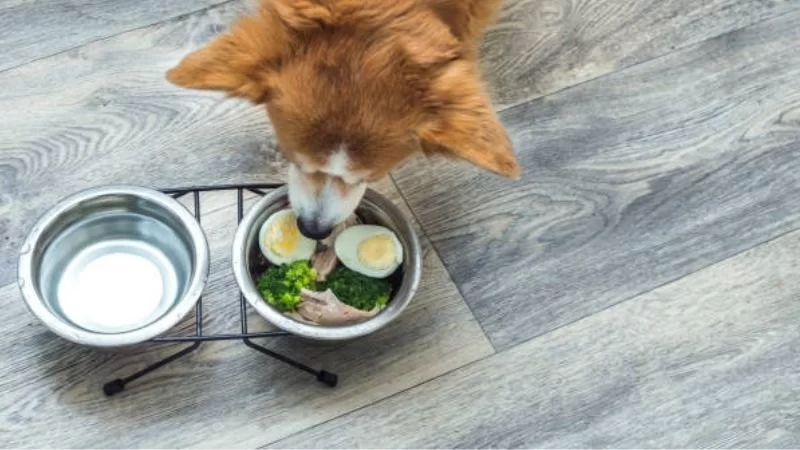
- Boiled Eggs: A great alternative to scrambled eggs, boiled eggs are just as nutritious and easier to prepare without the risk of added seasonings. Simply boil the eggs and serve them in small portions.
- Chicken or Turkey: Lean meats like chicken or turkey are excellent sources of protein and can be served cooked without seasonings. They make a great treat for dogs and are often a good option for dogs with egg allergies.
- Carrots or Sweet Potatoes: For a healthy, low-calorie snack, consider offering your dog vegetables like carrots or sweet potatoes. These are rich in vitamins and fiber, making them a great alternative to scrambled eggs.
- Peanut Butter: Unsweetened, xylitol-free peanut butter is another treat that many dogs love. It provides healthy fats and protein, similar to eggs, and can be served in moderation.
If you're ever in doubt about what foods are safe for your dog, it's always a good idea to consult your veterinarian. At Hidden Brook Veterinary, we can provide expert guidance on the best nutrition for your dog and help you find the right treats and foods for their needs.