Can Dogs Eat Roasted Turkey? Everything You Need to Know
- Can Dogs Eat Turkey Safely?
- What Are the Benefits of Turkey for Dogs?
- Potential Risks of Roasted Turkey for Dogs
- How to Safely Feed Turkey to Your Dog
- When Should You Avoid Feeding Your Dog Turkey?
- Why Choose Hidden Brook Veterinary for Your Pet Care
Can Dogs Eat Turkey Safely?
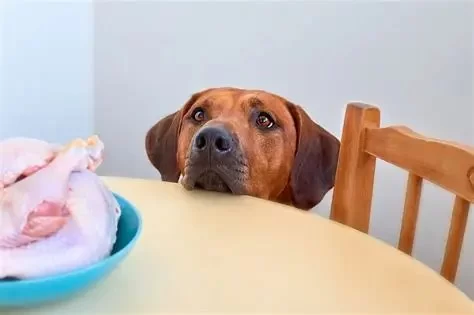
Many pet owners often wonder, "Can dogs eat roasted turkey?" The answer is yes, in moderation and with some precautions. Turkey is a lean source of protein and can be a healthy treat for your dog when prepared correctly. It is often a go-to food during the holidays, and many dog owners like to share a little bit of turkey with their pets. However, it's important to know how to feed turkey to dogs safely and what to avoid.
Roasted turkey, especially the meat from the breast, can be a great addition to your dog's diet. It's packed with nutrients that support muscle growth and overall health. But before offering turkey to your furry friend, there are a few considerations to keep in mind.
What Are the Benefits of Turkey for Dogs?
Turkey is an excellent source of high-quality protein, which is essential for dogs to maintain strong muscles and healthy tissues. It also contains B-vitamins, like niacin and B6, which support energy metabolism and immune system function. Additionally, turkey provides selenium, an important antioxidant that helps prevent cellular damage and supports the immune system.
Beyond the nutritional benefits, turkey can be a tasty treat for dogs that enjoy a change in their usual diet. It can be a great protein source, especially for dogs with sensitive stomachs that might struggle with certain types of food or meat. However, as with any treat, moderation is key to avoid overfeeding.

Potential Risks of Roasted Turkey for Dogs
While turkey itself is safe for dogs in moderation, there are several potential risks associated with feeding your dog roasted turkey:
1. Skin and Fat
Turkey skin and fatty parts should be avoided, as they can cause digestive issues in dogs. Fatty foods can lead to pancreatitis, a painful inflammation of the pancreas, which requires immediate veterinary attention. The skin is also high in fat, which may be too rich for your dog to digest, potentially leading to stomach upset or diarrhea.
2. Seasonings and Spices
Roasted turkey is often seasoned with herbs and spices like garlic, onion, salt, and pepper. These seasonings can be harmful to dogs. For example, garlic and onion are toxic to dogs and can cause serious health issues like anemia. Salt can lead to sodium ion poisoning if consumed in large quantities. Always make sure that any turkey you give to your dog is plain, without added spices or seasonings.
3. Bones
Another important risk to be aware of is turkey bones. Cooked turkey bones can splinter and cause blockages, choking, or serious injuries to your dog's digestive system. It’s crucial to remove any bones before offering turkey to your dog. Always be vigilant and make sure there are no bone fragments left in the meat you are serving.
How to Safely Feed Turkey to Your Dog
If you're considering giving your dog some turkey, here are a few steps to ensure it's safe:
1. Remove Skin and Fat
Only give your dog lean turkey meat, preferably from the breast, and avoid any skin or fatty parts. The lean meat will provide your dog with healthy protein without the risks associated with high fat intake.
2. Remove Bones
Before giving turkey to your dog, carefully remove all bones. Cooked bones can break into sharp pieces, which can pose a choking hazard or cause injury to your dog's intestines. Always serve turkey in bite-sized pieces to ensure it's easy to chew and swallow.
3. Serve Plain Turkey
Always serve turkey without any seasoning, salt, or additives. If you're preparing the turkey yourself, make sure it’s cooked plainly without any oils, butter, or spices. You can even boil the turkey if you prefer a simpler option.
4. Offer in Moderation
Turkey should only be given in moderation. It should not replace your dog’s regular diet, but instead serve as an occasional treat or addition to their food. Overfeeding turkey can lead to digestive issues like diarrhea or upset stomach.
When Should You Avoid Feeding Your Dog Turkey?
There are certain situations when it’s best to avoid feeding turkey to your dog. These include:
1. If Your Dog Has Dietary Restrictions
If your dog has food allergies or sensitivities, you should avoid feeding them turkey, especially if you're not sure about how their stomach will react. Always check with your veterinarian before introducing new foods, especially for dogs with sensitive stomachs or specific dietary needs.
2. Dogs with Pancreatitis
If your dog has been diagnosed with pancreatitis, fatty foods like turkey are best avoided. Fatty meats can trigger flare-ups of this painful condition. Always consult with your vet before giving any meat to a dog with pancreatitis.
3. Avoid During Holiday Meals
Holiday meals are often accompanied by rich foods, seasonings, and extra-fatty scraps. If you're hosting a holiday meal, make sure to keep any turkey and scraps out of your dog’s reach, as they might inadvertently consume harmful foods like gravy or turkey skin.
Why Choose Hidden Brook Veterinary for Your Pet Care
At Hidden Brook Veterinary, we understand the importance of providing your dog with a balanced diet. If you're unsure about what foods are safe for your pet or if you have any concerns about their diet, our experienced veterinary team is here to help. Whether it’s answering questions about turkey or offering advice on your dog’s overall nutrition, we provide expert care tailored to your pet’s needs.
Contact us today to learn more about your pet’s health and wellness, and how we can assist with proper diet management for your furry friend.