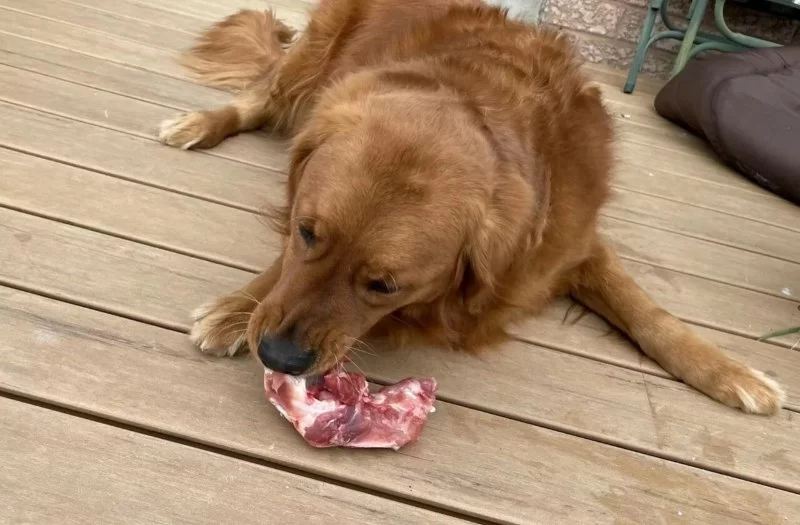
Can Dogs Eat Raw Meat Safely? A Practical Guide for Curious Pet Owners
- the-raw-meat-debate-in-modern-canine-nutrition
- what-happens-when-dogs-eat-raw-meat
- benefits-and-potential-gains-from-raw-feeding
- risks-contamination-and-health-concerns
- real-experiences-owners-and-experts-weigh-in
- is-raw-meat-right-for-your-dog
1. The Raw Meat Debate in Modern Canine Nutrition
The question can dogs eat raw meat safely sparks heated debate in both veterinary clinics and online forums. Advocates believe it’s the most natural way to feed dogs, reflecting their ancestral diet. Skeptics, especially many veterinarians, worry about nutritional imbalance and bacterial exposure. So who's right?
To find out, we need to look deeper—at science, anecdotal evidence, and expert recommendations. Feeding raw is not just about tossing your dog a steak. It involves thoughtful sourcing, balance, and hygiene. And for many pet owners, it's a learning curve worth understanding before making the leap.

2. What Happens When Dogs Eat Raw Meat?
2.1 Immediate Reactions and Adaptation
Dogs evolved to consume meat, and most can tolerate raw protein sources without issue—at least at first. Some owners notice improved stool quality, shinier coats, and higher energy levels within a few weeks. However, other dogs experience digestive upset, especially if transitioned too quickly or fed poorly balanced meals.

2.2 Internal System Response
Raw meat triggers higher stomach acidity, which may help dogs digest meat and kill pathogens. That said, domestic dogs aren't wild wolves. They've adapted to commercial kibble and mixed diets over generations. A sudden dietary shift can stress their systems if not done correctly.
3. Benefits and Potential Gains from Raw Feeding
3.1 Improved Skin and Coat Health
Many raw feeders report dramatic improvement in their dog's coat—less shedding, fewer hot spots, and softer fur. This may be due to the higher fat content and naturally occurring omega fatty acids in raw meats and organs.
3.2 Better Dental Hygiene
Feeding raw bones (never cooked!) is said to help scrape tartar off a dog’s teeth naturally. While this is no substitute for professional dental care, some owners find it reduces bad breath and plaque build-up significantly.
3.3 Increased Energy and Lean Muscle
Some dogs on raw diets show increased stamina and improved muscle tone. This can be beneficial for working breeds or highly active dogs. However, it's essential to balance the protein with appropriate levels of fat and micronutrients.
4. Risks, Contamination, and Health Concerns
4.1 Bacterial Contamination
One of the biggest concerns with feeding raw meat is the risk of pathogens like Salmonella, Listeria, and E. coli. While healthy dogs may not show symptoms, these bacteria can be transmitted to humans through handling or dog saliva—especially risky in homes with children or immunocompromised individuals.
4.2 Nutritional Imbalance
Feeding raw isn’t just throwing together chicken thighs and liver. Dogs require a specific ratio of meat, bone, and organs—plus additional nutrients like calcium and zinc. Without proper formulation, deficiencies or excesses can cause long-term harm. Consulting a vet nutritionist or using reputable pre-formulated raw diets is strongly recommended.
4.3 Choking and Bone Hazards
Raw bones, if not appropriately sized or monitored, can pose choking or splintering risks. Never feed cooked bones. Always supervise, and choose bone types based on your dog’s size and chewing habits.
5. Real Experiences: Owners and Experts Weigh In
5.1 Jackson’s Story: From Allergies to Raw Relief
Jackson, a 6-year-old Labrador, suffered from chronic skin allergies and digestive issues. After multiple vet visits and prescription diets, his owner tried a raw food trial with guidance from Hidden Brook Veterinary. Within two months, his flare-ups subsided, and he had more energy than ever. His case is often cited in online communities as a successful example of how raw can work—when guided properly.
5.2 Vet Perspective: Proceed With Structure
Dr. Molly Green, a veterinary nutrition advisor with 12+ years in clinical practice, says: “Dogs can eat raw meat safely, but the keyword is ‘safely.’ That means sourcing clean meat, balancing the diet, and understanding the dog’s specific needs. It’s not a one-size-fits-all.”
5.3 Social Media Cautionary Tales
One viral TikTok showed a small dog being fed raw pork daily—leading to a parasitic infection that could’ve been prevented. These cautionary examples highlight why raw feeding should never be done based solely on influencers or trends. Research and professional support are key.
6. Is Raw Meat Right for Your Dog?
6.1 Evaluate Your Dog’s Needs
Breed, age, health status, and activity level all matter. Puppies and seniors may need more carefully balanced formulations. Dogs with compromised immune systems may be better off with cooked or commercial alternatives.
6.2 Consider Your Household
Do you have kids or elderly family members at home? Are you comfortable with the food safety protocols required to handle raw meat regularly? These questions go beyond just your pet—they affect the whole household.
6.3 Talk to Your Vet First
Before transitioning, consult with a veterinarian—preferably one experienced in nutrition or raw feeding. Hidden Brook Veterinary offers in-depth consultations and tailored plans to help you navigate the raw feeding world responsibly and successfully.
So, can dogs eat raw meat safely? Yes—when it's done right. With the right knowledge, resources, and veterinary support, raw feeding can be a rewarding choice. But don’t go it alone. Turn to trusted professionals and guides like Hidden Brook Veterinary to ensure your dog’s diet is as healthy as their wag is happy.