- 1 - Can Dogs Eat Pickles?
- 2 - Potential Risks of Giving Pickles to Dogs
- 3 - What You Need to Consider Before Feeding Pickles to Your Dog
- 4 - Alternatives to Pickles for Dogs
- 5 - When to Consult a Veterinarian
1. Can Dogs Eat Pickles?
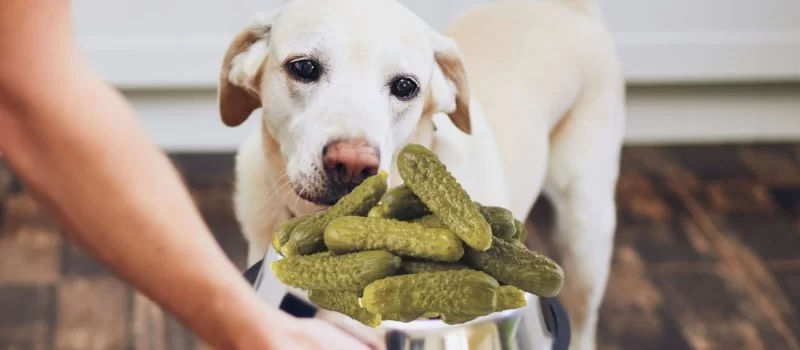
Pickles, typically made from cucumbers that have been brined in a vinegar or salt solution, are a popular snack for humans. But can dogs eat pickles safely? The short answer is: yes, dogs can eat pickles in moderation. However, there are several important factors to consider before sharing your pickle with your pet.
While pickles themselves are not toxic to dogs, they should not be a regular part of your dog’s diet due to the high sodium and vinegar content. Let’s explore the potential risks and benefits of offering pickles to your dog and what to keep in mind before you do.

2. Potential Risks of Giving Pickles to Dogs
Although pickles are safe in small quantities, there are several risks to consider when giving them to your dog. Here are some of the potential dangers:

1. High Sodium Content
Pickles are often made with a brine that contains a significant amount of salt. Excessive salt can be harmful to dogs, leading to dehydration, electrolyte imbalances, and even more severe conditions like sodium ion poisoning. Symptoms of too much salt include vomiting, diarrhea, excessive thirst, and lethargy. It's essential to limit the amount of pickles you give to your dog, particularly if they have pre-existing health issues like kidney problems or heart disease.
2. Vinegar Sensitivity
Vinegar, which is commonly used to pickle cucumbers, can also irritate your dog’s stomach if consumed in large amounts. While small amounts are generally safe, too much vinegar may lead to gastrointestinal upset, including nausea, diarrhea, and bloating.
3. Spices and Flavorings
Some pickles are made with spices like garlic, onion, or pepper, which are toxic to dogs. Garlic and onion, even in small amounts, can cause serious health problems like hemolytic anemia and damage to red blood cells. Always check the ingredients of any pickles before offering them to your dog, and avoid sharing those with added spices.
3. What You Need to Consider Before Feeding Pickles to Your Dog
Before you decide to give your dog a pickle, consider the following factors to ensure it’s a safe and enjoyable treat:
1. Moderation is Key
While a small piece of pickle may not harm your dog, it’s important to feed it in moderation. Treats, including pickles, should only make up about 10% of your dog’s daily caloric intake. Excessive pickle consumption can lead to digestive upset or sodium poisoning.
2. Check the Ingredients
As mentioned earlier, some pickles are flavored with ingredients that are harmful to dogs, such as garlic, onions, or excessive sugar. Always check the ingredients to ensure they are safe for your pet. Opt for plain pickles without any added spices or flavorings, and always choose those made with a simple brine.
3. Monitor for Allergic Reactions
As with any new food, it's important to monitor your dog for signs of allergies or food sensitivities when introducing pickles. Symptoms to watch for include itching, swelling, vomiting, or diarrhea. If any of these signs occur, discontinue feeding pickles and consult your veterinarian.
4. Alternatives to Pickles for Dogs
If you’re looking for a tasty, healthy treat for your dog but want to avoid the risks associated with pickles, there are plenty of alternatives. Here are a few safe options:
1. Carrot Sticks
Carrots are a great low-calorie snack for dogs. They are rich in vitamins and fiber, and most dogs love their crunchy texture. Carrots also help with dental health by reducing plaque and tartar buildup as dogs chew on them.
2. Apple Slices
Apples are another healthy option for dogs, providing vitamins and antioxidants. Make sure to remove the seeds and core before offering apple slices to your dog, as the seeds contain cyanide, which is toxic to dogs in large amounts.
3. Cucumber Slices
If your dog enjoys the crunch of a pickle, you can offer fresh cucumber slices as a safer alternative. Cucumbers are low in calories and high in water content, making them a great hydrating snack for dogs.
5. When to Consult a Veterinarian
If your dog has consumed a large amount of pickles or has shown signs of illness after eating them, it’s important to consult a veterinarian right away. Symptoms of sodium poisoning or vinegar sensitivity should not be ignored. Your veterinarian can provide guidance on treatment and offer advice on the best foods for your dog based on their health needs.
If you're looking for expert guidance or have questions about your dog's diet, visit Hidden Brook Veterinary for more information and recommendations tailored to your pet's health and well-being.