- can-dogs-eat-peanuts-roasted
- what-makes-roasted-peanuts-safe-or-risky-for-dogs
- salt-seasoning-and-other-dangerous-additives
- how-much-is-too-much-portion-matters
- real-pet-owners-experience-and-vet-insight
- better-snack-alternatives-and-expert-help-from-hidden-brook-veterinary
1. Can Dogs Eat Peanuts Roasted?
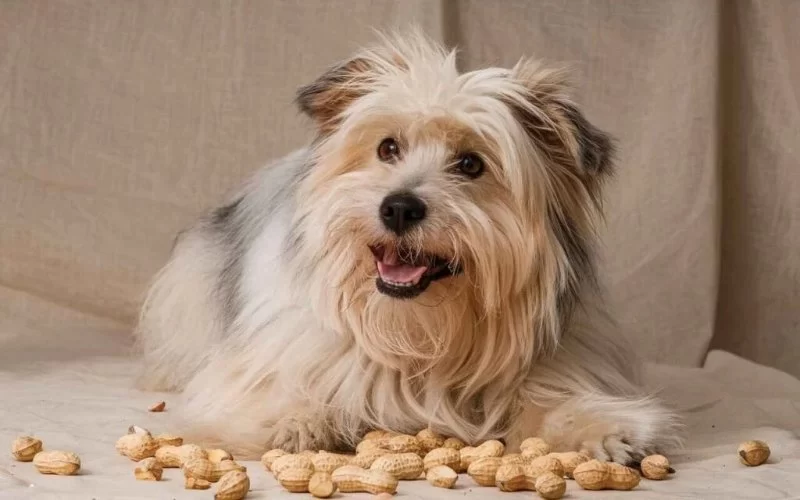
If you’ve ever been halfway through a snack and caught your dog giving you those pleading eyes, you’re not alone. But before tossing them a roasted peanut, it’s important to ask: Can dogs eat peanuts roasted? The short answer is yes—dogs can eat plain, dry-roasted peanuts in moderation. But as always with pets, the full picture is more nuanced than a simple yes or no.
Not all peanuts—or peanut products—are safe. The way peanuts are roasted, seasoned, or processed plays a big role in whether they’re dog-friendly or potentially harmful. Let’s break it down clearly to help you keep your furry friend both happy and healthy.

2. What Makes Roasted Peanuts Safe or Risky for Dogs?
2.1 Plain Dry-Roasted Peanuts
Plain, unsalted, dry-roasted peanuts are generally safe for dogs. They’re rich in protein and healthy fats, and a few here and there can make a great occasional treat. However, moderation is key, especially for smaller breeds or dogs with sensitive digestion.

2.2 Avoid Oil-Roasted Peanuts
Many store-bought roasted peanuts are cooked in oils and contain added flavorings or preservatives. These can upset your dog’s stomach or lead to more serious issues like pancreatitis over time, especially when consumed regularly.
2.3 No Sweeteners or Chocolate
This one’s critical: avoid any peanuts coated in sugar, honey, or chocolate. Chocolate and xylitol, a sugar substitute found in some peanut butter products, are toxic to dogs—even in small quantities.
3. Salt, Seasoning, and Other Dangerous Additives
3.1 Why Salt Is Harmful
Dogs do not tolerate sodium as well as humans. A handful of salted peanuts might be a harmless snack for you, but for your dog, it could mean excessive sodium intake that leads to dehydration or even sodium ion poisoning in extreme cases.
3.2 Flavored or Spiced Peanuts
Peanuts seasoned with garlic, onion powder, chili, or paprika may smell great—but they’re a hard no for dogs. Garlic and onion are toxic to canines and can lead to hemolytic anemia, a dangerous condition that affects red blood cells.
3.3 Reading Ingredient Labels
Even if peanuts are labeled “natural,” always check the fine print. Some snack products include preservatives or artificial colors that don’t belong anywhere near your pet’s diet. When in doubt, stick with whole, unsalted dry-roasted varieties.
4. How Much Is Too Much? Portion Matters
4.1 Consider Your Dog’s Size and Health
For a 70-pound Labrador, a few plain peanuts as a treat won’t cause much concern. For a 10-pound terrier, even a small handful could result in an upset stomach or caloric overload. Peanuts are calorie-dense, and overfeeding can lead to weight gain or pancreatitis.
4.2 Occasional Treat, Not a Regular Snack
Peanuts should never replace a balanced diet. Use them as training treats or occasional rewards. A good rule of thumb: treats (including peanuts) should make up less than 10% of your dog’s daily calorie intake.
4.3 Watch for Allergic Reactions
While rare, some dogs can develop peanut allergies. Signs include itching, swelling, excessive licking, or even vomiting. If you’re giving peanuts to your dog for the first time, start with one or two and observe closely.
5. Real Pet Owners’ Experience and Vet Insight
5.1 A Story from a Curious Beagle
One pet owner shared how their beagle once devoured an entire bowl of honey-roasted peanuts left on the coffee table. While the sugar content didn’t cause an emergency, the dog had an upset stomach for two days. A quick vet visit confirmed it was the oils and sweeteners—not the peanuts themselves—that caused the issue.
5.2 Vet Perspective: What Experts Say
According to Dr. Lora from Hidden Brook Veterinary, “Peanuts in their simplest, unsalted form can be a fun treat, but we always recommend moderation. We’ve treated more than a few dogs with pancreatitis from high-fat snacks like peanut butter and roasted nuts.”
6. Better Snack Alternatives and Expert Help from Hidden Brook Veterinary
6.1 Peanut Butter vs. Whole Peanuts
Many dog owners prefer peanut butter—but make sure it’s xylitol-free and used sparingly. Whole peanuts (dry-roasted, unsalted) can be a good alternative, especially if you want more control over additives.
6.2 Try Safer Fruits and Veggies
If you're looking for low-fat, nutrient-rich snack ideas, try small bits of carrots, apple (without seeds), or blueberries. These snacks offer more fiber, hydration, and fewer fat-related risks.
6.3 Consult the Experts at Hidden Brook Veterinary
When in doubt, it’s always a good idea to check with your vet. At Hidden Brook Veterinary, our team can help you evaluate your dog’s specific dietary needs and recommend treats that match their age, weight, and health conditions. We’re here to make sure your dog stays both happy and healthy—one snack at a time.