Can Dogs Eat Hot Peppers? What Every Pet Owner Should Know
- 1‑why‑dogs‑and‑hot‑peppers‑dont‑mix
- 2‑what‑happens‑if‑a‑dog‑eats‑a‑hot‑pepper
- 3‑are‑any‑peppers‑safe‑for‑dogs
- 4‑case‑story‑a‑dogs‑reaction‑to‑a‑hot‑chili
- 5‑long‑term‑health‑risks‑of‑spicy‑food‑for‑dogs
- 6‑what‑to‑do‑if‑your‑dog‑ate‑a‑hot‑pepper
- 7‑better‑treats‑than‑hot‑peppers
1. Why Dogs and Hot Peppers Don’t Mix
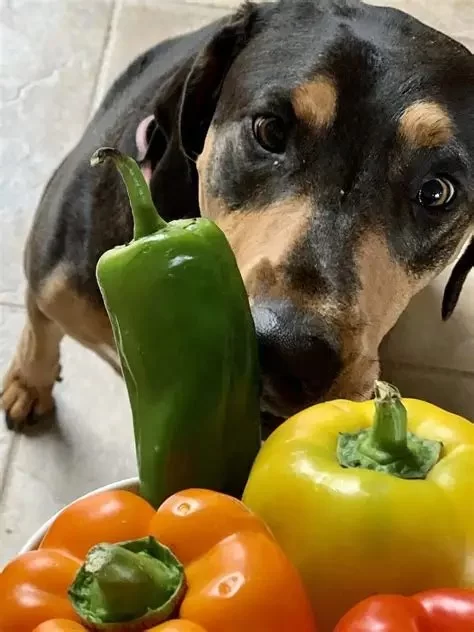
“Can dogs eat hot peppers?” It’s a question many pet owners have asked, usually after their curious pup snatches a stray jalapeño off the counter. The answer is a firm no. While hot peppers aren’t necessarily toxic like chocolate or xylitol, they can cause severe gastrointestinal upset in dogs. Capsaicin—the active compound that gives peppers their heat—can irritate a dog’s mouth, throat, and stomach, leading to an unpleasant experience for both pet and owner.

2. What Happens If a Dog Eats a Hot Pepper?
Within minutes of ingestion, dogs may start to exhibit signs of distress. Common symptoms include drooling, excessive panting, whining, pawing at the mouth, vomiting, and diarrhea. Some dogs may also become lethargic or show signs of abdominal discomfort. These reactions occur because a dog’s digestive system is not equipped to process spicy food the way humans can.

3. Are Any Peppers Safe for Dogs?
While hot peppers are a no-go, not all peppers are dangerous. Sweet bell peppers (especially red ones) can be a safe and crunchy treat in moderation. They’re high in vitamins A and C, and unlike hot peppers, they contain no capsaicin. That said, even mild peppers should be served raw, chopped, and seedless—and always in small amounts. Consult with a professional before adding new items to your dog’s diet. If you're unsure, veterinarians at Hidden Brook Veterinary can help you make safe nutrition choices for your pup.
4. Case Story: A Dog’s Reaction to a Hot Chili
One dog owner shared a story online about their Labrador, Max, who accidentally ate a piece of habanero during a family BBQ. Within 10 minutes, Max was drooling and pacing restlessly. He began retching and refused water. A quick trip to the vet confirmed acute gastritis from capsaicin exposure. After fluids and a bland diet, Max recovered—but his owner never left spicy food unattended again. This is a strong reminder of how even small amounts of hot pepper can wreak havoc on a dog’s system.
5. Long-Term Health Risks of Spicy Food for Dogs
Occasional accidental ingestion might not cause lasting harm, but repeated exposure to spicy food can lead to chronic issues. Dogs who eat spicy human food over time may suffer from pancreatitis, ulcers, or ongoing gastrointestinal inflammation. Worse, the spicy burn might discourage them from eating altogether, leading to malnutrition and food aversion behaviors. It’s never worth the risk—steer clear of feeding your dog any form of spicy dish, including sauces or pepper-flavored snacks.
6. What to Do If Your Dog Ate a Hot Pepper
If you catch your dog eating a hot pepper, don’t panic. First, remove any remaining pepper from their mouth and offer water. Avoid milk unless advised by a vet. Monitor for signs like vomiting, diarrhea, or unusual behavior. If symptoms persist beyond a few hours, or if your dog ate a very spicy pepper like habanero or ghost pepper, contact a vet immediately. Hidden Brook Veterinary provides fast, reliable support for pet emergencies like this.
7. Better Treats Than Hot Peppers
Instead of risky foods, consider healthy alternatives your dog will actually enjoy and digest well. Carrot sticks, apple slices (no seeds), plain boiled chicken, or vet-approved dental chews are all good options. Dogs don’t crave spice—they crave flavor, scent, and attention. Keep treats dog-friendly and free of strong seasonings. When in doubt, stick to tested recipes or get recommendations directly from a pet nutrition expert.
So, can dogs eat hot peppers? The answer is clear: avoid them at all costs. From mouth irritation to potential long-term digestive damage, spicy foods serve no nutritional purpose for dogs and can cause significant harm. Stick to safe, approved foods and if you're ever uncertain about what’s okay to share, consult professionals like the team at Hidden Brook Veterinary to ensure your dog stays happy—and healthy.