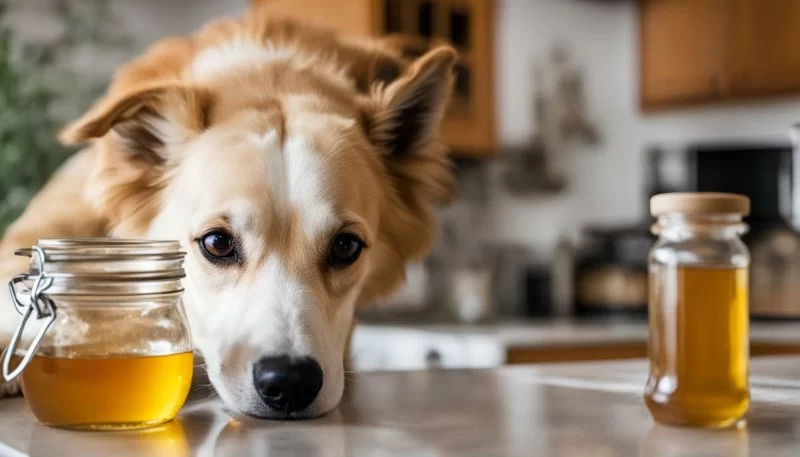
- is-honey-safe-for-dogs - Is honey safe for dogs in moderation?
- health-benefits-of-honey-for-dogs - Health benefits of honey when dogs eat it in moderation
- potential-risks-and-when-to-avoid - Potential risks of feeding honey to dogs and when to avoid it
- how-to-feed-honey-to-your-dog - How to safely feed honey to your dog
- real-dog-owners-stories - Real stories from dog owners who gave their pets honey
- veterinary-advice-and-where-to-learn-more - When to consult a vet and where to get trusted advice
1. Is honey safe for dogs in moderation?
Yes, dogs can eat honey in moderation—emphasis on moderation. Raw, natural honey is non-toxic to dogs and can offer some nutritional and medicinal value when used properly. However, it's not a daily treat nor a cure-all. Think of honey for dogs the way you might think of it for yourself: sweet, natural, and helpful in the right circumstances—but not something to overdo.
Some pet owners wonder: “Can dogs eat honey without side effects?” The short answer is that most healthy adult dogs can tolerate small amounts without issue. But the key is to introduce it slowly and always observe for any signs of allergy or upset stomach.

2. Health benefits of honey when dogs eat it in moderation
2.1 A natural source of antioxidants and enzymes
Raw honey contains antioxidants, natural enzymes, and small traces of vitamins and minerals like B-complex, potassium, and magnesium. These can support your dog’s immune function and promote general wellness. Some owners even use it as a natural energy booster for aging dogs.

2.2 Soothing sore throats and kennel cough
Much like in humans, honey may help soothe irritated throats in dogs. It's sometimes used as a home remedy for mild kennel cough symptoms. A small lick of honey may ease coughing or discomfort, though it’s never a replacement for veterinary care.
2.3 Help with seasonal allergies
There’s anecdotal evidence suggesting that locally sourced honey could help dogs build tolerance to pollen allergens—similar to how some humans use it for hay fever. While research is limited, some pet parents report reduced symptoms during allergy season when honey is added to their dog's diet occasionally.
3. Potential risks of feeding honey to dogs and when to avoid it
3.1 Not for every dog
While the idea of giving your pup a drizzle of honey sounds sweet, it’s not suitable for every dog. Puppies under one year of age should never be fed honey due to the risk of botulism spores, which their undeveloped immune systems can't yet handle.
3.2 Diabetic and overweight dogs
Because honey is high in natural sugars, it's not recommended for diabetic dogs or those on a weight management plan. Even in healthy dogs, too much honey can lead to spikes in blood sugar, dental problems, or unwanted weight gain.
3.3 Watch for allergies and reactions
Although rare, some dogs may have allergic reactions to pollen or bee product traces in raw honey. Signs include itching, swelling, or digestive upset. If any of these symptoms occur, stop feeding honey immediately and consult a professional.
4. How to safely feed honey to your dog
4.1 Start with small amounts
Begin with a small lick—about half a teaspoon for a medium-sized dog. This is enough to test their reaction and still offer health benefits. Honey can be added to dry kibble, used to coat pills, or mixed into homemade dog treats.
4.2 Use the right kind of honey
Always choose raw, unfiltered, and locally sourced honey when possible. Avoid processed commercial honey, which may contain additives or be heated during processing, diminishing its natural qualities.
4.3 Frequency matters
Even if your dog tolerates honey well, it shouldn’t become a regular part of their diet. Once or twice a week in small quantities is typically safe for most dogs. When in doubt, less is more.
5. Real stories from dog owners who gave their pets honey
Tammy from Oregon says, “My Labrador, Jasper, gets seasonal allergies every spring. Our vet suggested trying a local raw honey once a week. While it’s not a miracle, his itching is noticeably less severe now.”
Another story comes from Ben in New Jersey: “My senior beagle, Daisy, developed a mild cough last winter. I gave her a teaspoon of honey in warm water twice a day for a few days—it helped calm her throat until we could get to the vet.”
These experiences underline the value of using honey as a supportive, not primary, solution—and always with care.
6. When to consult a vet and where to get trusted advice
6.1 Know your dog’s health baseline
Before introducing anything new into your dog’s diet, even something natural like honey, it’s wise to consult a veterinarian—especially if your pet has existing health conditions like diabetes, obesity, or digestive sensitivities.
6.2 Personalized advice is best
Every dog is different. A food or treat that works for one pup might not be safe for another. For tailored nutritional guidance and safe treat alternatives, reach out to the professionals at Hidden Brook Veterinary, where holistic care meets clinical expertise.
6.3 Prevention is better than cure
It’s easy to assume that “natural” equals “safe,” but that’s not always the case. Trust your instincts, but let those instincts be guided by expert advice—especially when it comes to your furry family member’s health.