- understanding-if-canines-can-safely-enjoy-homemade-treats
- benefits-of-feeding-homemade-dog-treats
- safe-and-unsafe-ingredients-to-know
- real-examples-and-what-dog-owners-have-learned
- getting-started-with-your-own-healthy-treats
1. Understanding If Canines Can Safely Enjoy Homemade Treats
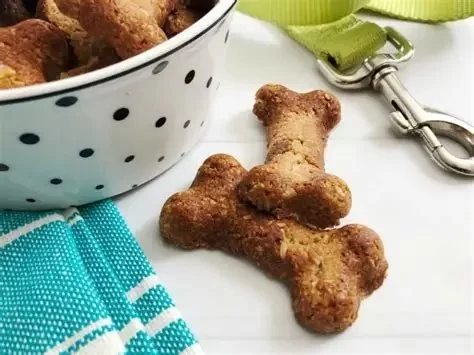
If you’ve ever found yourself wondering, can dogs eat homemade dog treats, you’re not alone. It’s a question that comes up often among pet parents who want to ensure their furry friend gets the best. The answer is a reassuring yes—dogs can safely enjoy homemade treats as long as they’re made with the right ingredients and under proper preparation.
Just like us, dogs benefit from whole, unprocessed foods. Homemade dog treats offer a level of transparency and control that store-bought snacks simply can't compete with. But it's not just about the ingredients—it's also about understanding what your individual dog needs based on their age, size, allergies, and activity level. That’s where personalized care matters most, and it's also where Hidden Brook Veterinary becomes an essential partner in guiding your choices.

2. Benefits of Feeding Homemade Dog Treats
Feeding your pet homemade snacks can provide numerous advantages beyond just a wagging tail. For starters, you have full control over every ingredient—no preservatives, artificial dyes, or fillers. That means a healthier, more nutritious snack. Many owners also report better digestion, shinier coats, and even improved dental health with the right homemade treat recipes.
More importantly, homemade dog treats foster a stronger bond. Baking treats for your pup becomes a shared activity—one filled with anticipation, tail wags, and happy crunching sounds. It also allows for diet customization. If your dog has a grain allergy or needs a low-fat diet, you can adapt the recipe accordingly. For specific medical diets, always consult your vet or reach out to Hidden Brook Veterinary for guidance tailored to your dog’s unique health profile.

3. Safe and Unsafe Ingredients to Know
When asking, can dogs eat homemade dog treats, the answer lies in what’s inside those treats. There are numerous dog-safe ingredients that can form the base of healthy recipes:
Safe ingredients: pumpkin purée, oats, peanut butter (xylitol-free), sweet potatoes, carrots, blueberries, bananas, plain yogurt, eggs, and lean meats like turkey or chicken. These provide a range of nutrients that support digestive health, energy levels, and joint strength.
Dangerous ingredients to avoid: chocolate, grapes, raisins, onions, garlic, xylitol, macadamia nuts, and excess salt. Even small amounts of these can cause serious health issues, from gastrointestinal distress to organ failure.
Ingredient knowledge is key. Always read labels—even on pantry items—and double-check if you’re unsure. When in doubt, consulting your veterinarian is always the smartest move. Hidden Brook Veterinary regularly posts seasonal safe food guides to help pet owners navigate the holiday treat season with peace of mind.
4. Real Examples and What Dog Owners Have Learned
Take Emily, a dog mom from Oregon, who started making sweet potato chews for her senior Labrador with digestive sensitivities. After eliminating commercial treats filled with grain and switching to her simple three-ingredient homemade version, her dog’s bloating and loose stools nearly vanished. She now shares her recipes with other dog owners through her blog, attributing her inspiration to a visit with her vet at Hidden Brook Veterinary, who helped her spot problematic ingredients early on.
Another example comes from Brian in Florida, who learned the hard way that not all “natural” peanut butters are safe for dogs. His beagle, Max, had a close call with a peanut butter brand that contained xylitol, a toxic sugar substitute. That scare led him to start checking every label, and he’s now an advocate for safe treat-making among his local dog park community.
Stories like these help answer the bigger question: can dogs eat homemade dog treats? Absolutely—but only when made with informed care, attention, and proper vet-approved guidance.
5. Getting Started With Your Own Healthy Treats
If you're ready to try making treats at home, start with simple recipes: mashed banana mixed with oat flour and peanut butter, or dehydrated chicken breast strips. You don’t need fancy kitchen gear—just love for your dog and a few wholesome ingredients.
Make sure to portion appropriately based on your dog’s size and caloric needs. Remember, treats should make up no more than 10% of your pet’s daily intake. And while it’s fun to experiment, always introduce new treats slowly to watch for any allergies or intolerances.
To make the process even easier, check out Hidden Brook Veterinary’s curated selection of treat-making kits, pet-safe baking tools, and vet-reviewed ingredient lists. We’ve helped hundreds of pet parents learn how to confidently answer the question, can dogs eat homemade dog treats—and now you can too.