- 1 - Can Dogs Eat Homemade Dog Treats?
- 2 - Benefits of Homemade Dog Treats
- 3 - Ingredients to Avoid in Homemade Dog Treats
- 4 - How to Make Safe Homemade Dog Treats
- 5 - When to Consult Your Vet
1 - Can Dogs Eat Homemade Dog Treats?
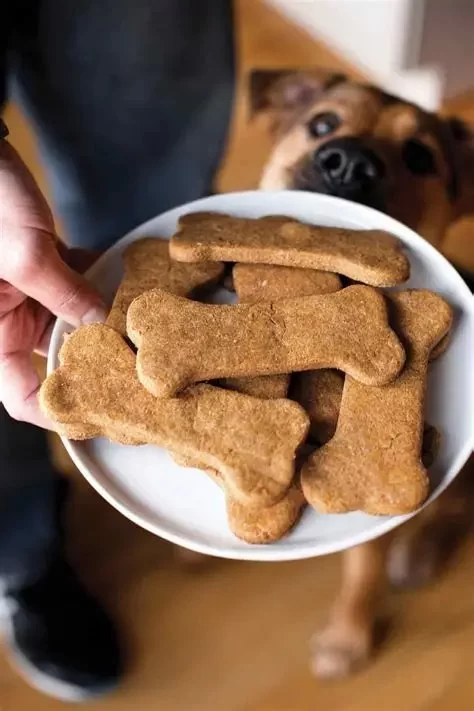
When it comes to pampering your dog, homemade dog treats are a tempting option. Not only do they offer the chance to control what goes into your dog’s diet, but they also allow you to create personalized treats tailored to your dog’s taste preferences and dietary needs. But is it safe to make your own dog treats? The short answer is yes, dogs can eat homemade dog treats, provided the ingredients are safe and the treats are prepared correctly. Let’s dive into the details of how homemade treats can benefit your dog and how to make them safely.

2 - Benefits of Homemade Dog Treats
Homemade dog treats come with several advantages, especially when compared to store-bought alternatives. Some key benefits include:
- Control Over Ingredients: By making your own treats, you have complete control over the ingredients, allowing you to avoid fillers, preservatives, and artificial additives that can be harmful to your dog’s health.
- Customization for Specific Health Needs: If your dog has allergies or special dietary requirements, you can adjust the ingredients to suit their needs, ensuring they get treats that promote their health.
- Better Quality: Homemade treats can be fresher and more nutritious, as they are made with high-quality ingredients without any added chemicals or preservatives.
- Bonding Opportunity: Making dog treats together can be a fun and rewarding bonding experience for you and your pet, strengthening your relationship while showing love through delicious rewards.
3 - Ingredients to Avoid in Homemade Dog Treats
While homemade dog treats can be a great option for your dog’s diet, it's essential to be mindful of what you include in the recipe. Some common human foods can be harmful to dogs, and you should avoid them when making dog treats:
- Chocolate: Chocolate contains theobromine, which is toxic to dogs. Even small amounts can cause serious health issues like vomiting, diarrhea, and seizures.
- Xylitol: This sugar substitute is highly toxic to dogs and can cause hypoglycemia (low blood sugar), seizures, and even liver failure.
- Grapes and Raisins: These can cause kidney failure in dogs, even in small amounts. Always avoid using them in any homemade treat recipes.
- Onions and Garlic: Both of these can damage a dog’s red blood cells and lead to anemia. While these ingredients are commonly used in human dishes, they should never be included in dog treats.
- Nutmeg: Nutmeg contains myristicin, a compound that can cause tremors, seizures, and digestive issues in dogs.
4 - How to Make Safe Homemade Dog Treats
Making your own dog treats can be simple and fun, but there are a few key steps to ensure the treats are safe and healthy for your pet:
- Use Dog-Safe Ingredients: Always choose ingredients that are safe for dogs. Some common options include oats, pumpkin, sweet potatoes, peanut butter (without xylitol), and eggs. These ingredients provide nutrition and flavor without risking your dog’s health.
- Keep it Simple: Avoid overly complicated recipes with too many ingredients. Simple treats with just a few ingredients are easier for your dog to digest and are less likely to cause allergic reactions.
- Control Portion Sizes: Homemade treats can be rich in calories, so it's essential to control portion sizes to avoid overfeeding. Offer treats in moderation to prevent weight gain.
- Watch for Allergens: If your dog has known allergies, be sure to avoid common allergens such as wheat, soy, or dairy. Always consult your vet before introducing new ingredients to your dog’s diet.
- Store Properly: After baking, ensure your homemade treats are stored in an airtight container to maintain freshness. Some treats may need to be refrigerated, while others can be stored at room temperature for a few days.
5 - When to Consult Your Vet
Before introducing any homemade dog treats, it's always a good idea to consult your veterinarian. They can provide advice based on your dog’s specific health needs, including dietary restrictions or allergies. If your dog shows any signs of an adverse reaction to a treat, such as vomiting, diarrhea, or excessive scratching, consult your vet immediately. Your veterinarian can also help you choose the best ingredients for your dog’s age, breed, and health status, ensuring they get the most out of their treats.
At [Hidden Brook Veterinary], we offer expert advice on maintaining your dog’s health and wellbeing. If you have any concerns about feeding homemade treats to your dog, don’t hesitate to reach out to us for guidance on choosing safe, nutritious options for your furry friend.