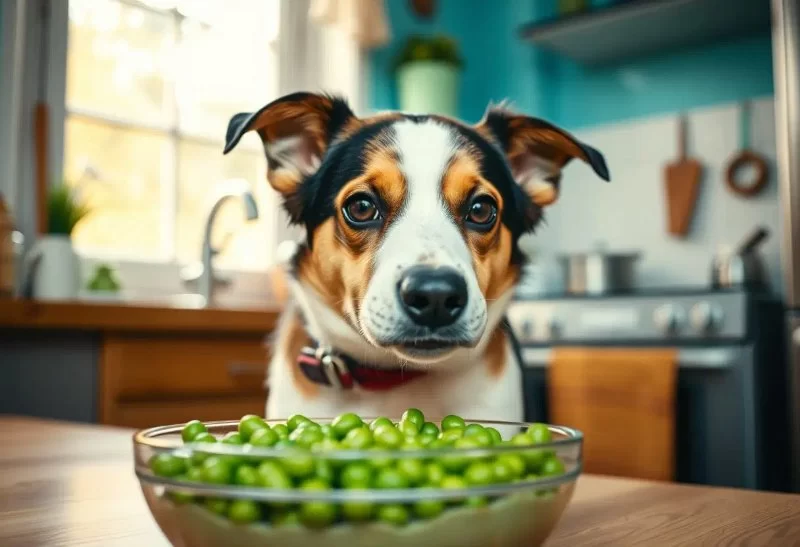
- can-dogs-eat-frozen-peas-safely
- nutritional-value-of-frozen-peas-for-dogs
- when-are-frozen-peas-bad-for-dogs
- real-life-examples-of-dogs-eating-frozen-peas
- how-to-feed-frozen-peas-to-your-dog
- get-personalized-diet-advice-from-hidden-brook-veterinary
1. Can Dogs Eat Frozen Peas Safely?
Yes—dogs can eat frozen peas, and in many cases, they even enjoy the texture and taste. But like all foods outside their standard diet, frozen peas should be given in moderation. If you’ve ever asked yourself, can dogs eat frozen peas, you’re likely trying to offer your pup something healthy and crunchy—just make sure it’s served right.
Frozen peas, especially green peas or garden peas, are non-toxic to dogs and can even be a low-calorie treat. That said, not every dog reacts the same way to new foods, so gradual introduction is key.

2. Nutritional Value of Frozen Peas for Dogs
2.1 Packed with Plant-Based Nutrients
Frozen peas are rich in vitamins A, B1, B6, C, and K. They also provide important minerals like iron, zinc, and magnesium—all of which support your dog’s immune function, energy production, and bone health.

2.2 High in Fiber and Low in Calories
If your pup needs to lose a little weight, replacing a few traditional treats with frozen peas could help. They’re naturally low in calories but high in fiber, which supports digestion and can help your dog feel fuller.
2.3 Antioxidant-Rich Ingredients
Peas contain lutein, an antioxidant beneficial for skin, heart, and eye health. These small veggies can give your dog a gentle boost in overall wellness.
3. When Are Frozen Peas Bad for Dogs?
3.1 Dogs with Kidney Issues
Dogs suffering from chronic kidney disease should avoid foods high in purines—and peas are one of them. Purines can lead to increased uric acid, which puts added strain on damaged kidneys.
3.2 Dogs Prone to Choking
Smaller dogs or those who don’t chew thoroughly might choke on hard frozen peas. Always supervise and consider lightly steaming or thawing the peas if your dog tends to gulp food.
3.3 Added Salt or Seasonings
Never give your dog canned peas or frozen pea blends that include butter, onion, garlic, or salt. These additives are harmful and can trigger toxic reactions.
4. Real-Life Examples of Dogs Eating Frozen Peas
4.1 "Rocky" the Labrador’s Summer Cool-Down
Rocky’s owner, a vet tech, started offering frozen peas on hot days as a low-effort frozen snack. Rocky loved the crunch, and it helped him hydrate while reducing his usual craving for ice cream treats.
4.2 "Mila" and Her Unexpected Allergy
Mila, a 4-year-old Aussie mix, began scratching excessively after her owner added frozen peas to her diet. After a vet consultation, food allergies were suspected. The peas were removed, and Mila’s symptoms cleared up—a reminder that even healthy snacks don’t suit every dog.
4.3 A Shelter’s Smart Treat Strategy
One Midwest animal shelter started freezing peas into ice trays with unsalted chicken broth to make enrichment treats. It helped reduce kennel anxiety and made treat time healthier and more interactive.
5. How to Feed Frozen Peas to Your Dog
5.1 Choose the Right Pea Type
Stick with plain frozen green peas, snap peas, or garden peas. Avoid mushy peas, canned peas, or mixed vegetables with unknown ingredients.
5.2 Start Small and Monitor
Introduce peas gradually to your dog’s diet and monitor for signs of gastrointestinal distress like gas, bloating, or diarrhea. Every dog’s digestive system is different.
5.3 Use for Training or Meal Toppers
Frozen peas work great as low-calorie training treats or colorful additions to your dog’s kibble. Just don’t overdo it—no more than 5–10% of daily calories should come from treats or add-ons.
6. Get Personalized Diet Advice from Hidden Brook Veterinary
While frozen peas can be a healthy option for many dogs, not every pup will benefit the same way. If you’re unsure how to incorporate frozen vegetables into your dog’s diet—or if your dog has existing health conditions—it’s best to consult a veterinary professional.
At Hidden Brook Veterinary, we provide nutrition consultations tailored to your pet’s specific needs. Whether you're exploring new treats or rethinking your dog’s entire diet, we’ll help you choose the safest, most effective options.
So next time you find yourself wondering, can dogs eat frozen peas, remember: with a little planning and professional guidance, they absolutely can—safely and happily.