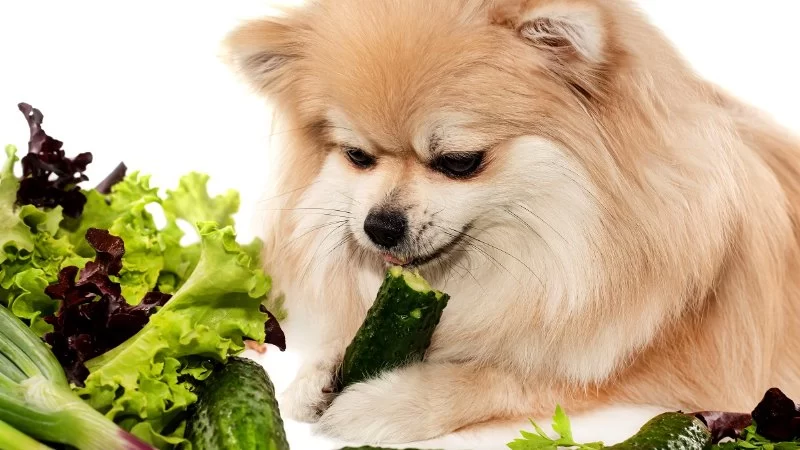
Can Dogs Eat Cooked Vegetables? A Safe Feeding Guide for Pet Owners
- why-cooked-vegetables-matter-for-dogs
- which-cooked-vegetables-are-safe-for-dogs
- vegetables-to-avoid-even-when-cooked
- how-to-cook-vegetables-for-your-dog
- portion-control-and-balancing-their-diet
- real-dog-owner-experiences-and-stories
- expert-vet-advice-and-nutritional-tips
1. Why Cooked Vegetables Matter for Dogs
Pet owners often ask, can dogs eat cooked vegetables? The short answer is yes—but it depends on the vegetable and how it’s prepared. Vegetables provide valuable fiber, vitamins, and antioxidants that support digestive health, skin quality, and even energy levels. Cooking vegetables can make them easier for dogs to digest compared to raw.
Unlike their wild ancestors, today’s domestic dogs thrive on a diverse diet that includes plant-based nutrients. While meat remains central to their nutrition, a controlled introduction of cooked vegetables offers beneficial variety.

2. Which Cooked Vegetables Are Safe for Dogs?
2.1 Carrots
Steamed or boiled carrots are a fantastic low-calorie treat. They're rich in beta-carotene, support eye health, and most dogs enjoy their mild sweetness.

2.2 Green Beans
Cooked green beans are full of fiber and low in calories. They're a great filler food for overweight dogs needing to feel full without added fat.
2.3 Sweet Potatoes
Rich in fiber and Vitamin A, cooked sweet potatoes help support your dog's digestion and immune system. Be sure to serve plain and mashed—no butter or seasonings.
2.4 Broccoli (in moderation)
Lightly steamed broccoli florets can offer detoxifying properties, but they must be fed in small amounts to avoid gas or upset stomachs.
3. Vegetables to Avoid Even When Cooked
Despite the benefits, not all vegetables are safe. Some, even when cooked, pose serious health risks:
- Onions and garlic – These can cause anemia in dogs, even in small amounts.
- Mushrooms – Especially wild mushrooms, are toxic to dogs and should be completely avoided.
- Avocados – Contain persin, which is toxic to many animals including dogs.
Always double-check before introducing a new vegetable to your dog’s meal. When unsure, consulting a professional like those at Hidden Brook Veterinary is your best bet.
4. How to Cook Vegetables for Your Dog
The goal is simplicity. Dogs don’t need seasoning, oils, or butter. Use these basic preparation tips:
- Steam for the best nutrient retention.
- Boil when steaming isn’t an option—but don’t add salt.
- Puree for dogs with sensitive digestion or senior pets with dental issues.
Avoid using microwavable or pre-seasoned vegetable packs, which often contain preservatives or spices unsuitable for pets.
5. Portion Control and Balancing Their Diet
Vegetables should be a supplement, not a staple. Ideally, only 10–25% of your dog’s meal should come from plant-based sources. The rest should include high-quality protein and fat.
Start small—add a tablespoon of cooked vegetables per 20 pounds of your dog's weight and observe their digestion. Watch for signs like gas, loose stool, or disinterest in food.
6. Real Dog Owner Experiences and Stories
Emily from Oregon started mixing mashed carrots and sweet potatoes into her Labrador’s meals after his vet recommended more fiber. “At first, I wasn’t sure if dogs could eat cooked vegetables—but he loves them, and he’s more regular now than ever.”
In another case, Marcus added chopped zucchini to his beagle’s food. The dog’s weight stabilized, and his coat began to shine noticeably after a few weeks of consistent feeding.
7. Expert Vet Advice and Nutritional Tips
Veterinarians at Hidden Brook Veterinary often recommend cooked vegetables as a natural, safe way to enhance your dog’s meal—especially for pets with food allergies or sensitive stomachs. They can tailor plans based on your dog’s specific health status, breed, and activity level.
While the question “can dogs eat cooked vegetables” may seem simple, the best answer is a tailored one. Every dog is different. That’s why expert guidance matters when choosing the right vegetables and portions.
If you're considering introducing vegetables into your dog's routine or are unsure which ones are safest, consult with your vet or reach out to our team at Hidden Brook Veterinary for personalized recommendations.