- can-dogs-eat-cooked-turkey-safely
- benefits-of-feeding-dogs-cooked-turkey
- what-to-avoid-when-serving-turkey
- real-life-case-how-one-dog-reacted-to-turkey-leftovers
- how-to-prepare-cooked-turkey-for-your-dog
- can-turkey-cause-allergies-in-dogs
- consulting-a-vet-before-changing-your-dogs-diet
1. Can Dogs Eat Cooked Turkey Safely?
1.1 General Safety of Turkey for Dogs
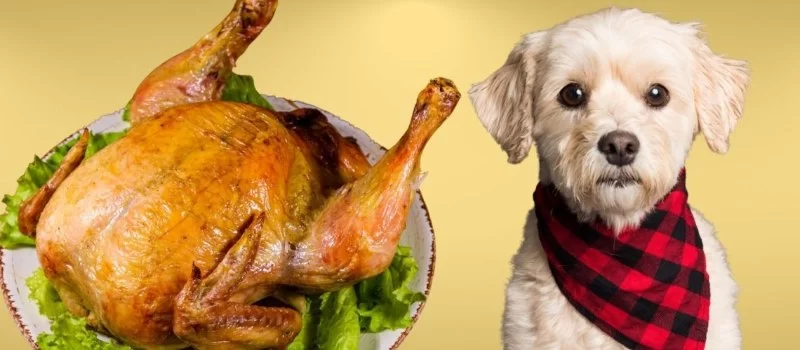
Yes, dogs can eat cooked turkey—but with some precautions. Turkey is a lean meat packed with protein, making it a great addition to a dog's diet when prepared properly. However, not all cooked turkey is created equal. Many holiday-style turkeys are seasoned with garlic, onions, and butter—all of which can be harmful to dogs.

1.2 The Importance of Simplicity
The safest form of turkey for your pet is plain, skinless, boneless, and unseasoned. Think of turkey breast boiled or baked with nothing else added. Avoid stuffing, gravy, or any seasoning blends, as they often contain ingredients that are toxic to pets.
520 W Wyoming Ave, Cincinnati, OH 45215, USA
See Details2. Benefits of Feeding Dogs Cooked Turkey
2.1 High in Lean Protein
Cooked turkey provides essential amino acids that help maintain muscle mass and support healthy skin, hair, and immune function in dogs. It's particularly suitable for active breeds or dogs recovering from illness.
2.2 Easily Digestible
Compared to beef or lamb, turkey is generally easier on a dog's digestive system. This makes it a good protein option for dogs with sensitive stomachs or for transitioning a puppy to adult food.
2.3 Rich in Essential Nutrients
Turkey contains B vitamins, selenium, zinc, and phosphorus—all beneficial for your dog’s overall wellness. When combined with veggies like carrots or peas, it can be part of a balanced homemade meal.
3. What to Avoid When Serving Turkey
3.1 Turkey Bones Can Be Dangerous
Cooked turkey bones may splinter and pose a choking hazard or cause internal injuries. Unlike raw bones, cooked ones become brittle and should never be given to dogs.
3.2 Watch for Hidden Ingredients
Holiday turkeys often come pre-brined or injected with flavoring agents. Even if they smell delicious to you, the salt and preservatives may lead to salt toxicity or upset your dog’s digestion.
4. Real-Life Case: How One Dog Reacted to Turkey Leftovers
4.1 Toby’s Thanksgiving Tale
Last Thanksgiving, a golden retriever named Toby got into the kitchen scraps after dinner. His owner thought a bit of leftover turkey wouldn’t hurt, but unfortunately, the meat was heavily seasoned and contained garlic. Within hours, Toby became lethargic and began vomiting.
4.2 Lessons Learned
After a stressful emergency vet visit, Toby recovered. But the family learned a hard lesson: even small amounts of the wrong preparation can be harmful. Toby’s story is a common one, highlighting why plain, clean turkey is key.
5. How to Prepare Cooked Turkey for Your Dog
5.1 Step-by-Step Safe Preparation
Start with fresh, boneless turkey breast. Boil or bake the meat without salt, seasoning, butter, or oil. After cooling, shred it into small bite-sized pieces and mix with your dog’s regular food or steamed vegetables.
5.2 Portion Control Matters
Turkey should not exceed 10% of your dog’s daily caloric intake unless you’re feeding a fully homemade diet under veterinary supervision. Overfeeding protein can lead to obesity and kidney strain.
6. Can Turkey Cause Allergies in Dogs?
6.1 Recognizing the Signs
Though rare, some dogs can develop food allergies to poultry. Signs include persistent itching, ear infections, or gastrointestinal upset. If you notice such symptoms after introducing turkey, discontinue feeding and consult your vet.
6.2 Testing for Food Sensitivities
Veterinarians often recommend an elimination diet to diagnose food allergies. A simple, single-protein diet can help identify whether turkey—or another ingredient—is to blame.
7. Consulting a Vet Before Changing Your Dog’s Diet
7.1 Every Dog is Unique
What works for one dog may not suit another. Age, breed, weight, and medical history all factor into dietary needs. Before adding turkey or any new food to your pet’s menu, it’s best to consult a veterinary professional.
7.2 Where to Get Expert Help
If you’re unsure whether your dog should eat cooked turkey, professionals at Hidden Brook Veterinary are an excellent resource. They can help create a safe and nutritious plan tailored to your pet's needs, including dietary recommendations and allergy testing.