- can-dogs-eat-cooked-turkey-safely
- potential-risks-and-precautions
- how-to-prepare-turkey-for-dogs
- real-life-experiences-with-turkey-and-dogs
- when-to-consult-a-veterinarian
1. Can Dogs Eat Cooked Turkey Safely?
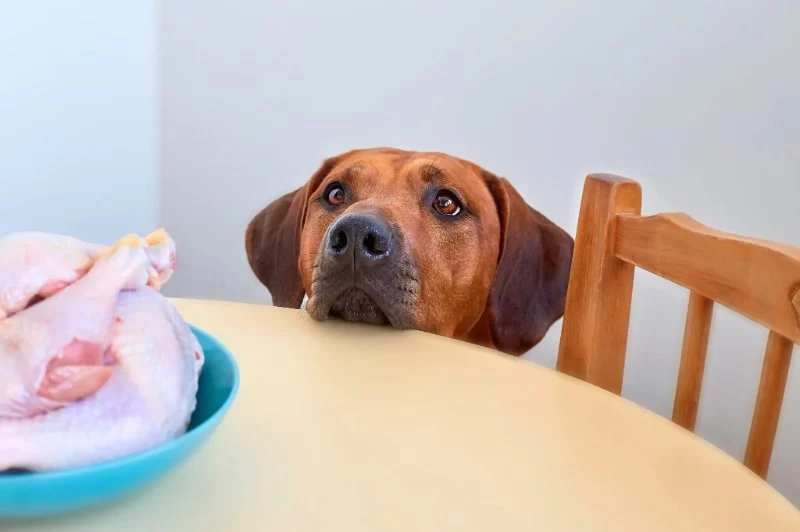
Yes, dogs can eat cooked turkey — but with important conditions. Turkey itself is not toxic to dogs, and in fact, it's often used in commercial dog foods due to its high protein content and low fat. However, how the turkey is cooked and served determines whether it’s a healthy treat or a veterinary emergency waiting to happen.
Plain, unseasoned turkey breast, cooked without any added oils, garlic, onions, or spices, is the safest option. Skinless white meat is the most digestible and least fatty. This makes it an excellent lean protein option for dogs when given in moderation.

2. Potential Risks and Precautions
2.1 Seasonings and Aromatics
Many holiday turkeys are prepared with herbs, onions, garlic, and butter — all of which can be dangerous for dogs. Onions and garlic, even in powdered form, are toxic and can cause hemolytic anemia. Butter and fatty seasonings may lead to pancreatitis, especially in breeds with sensitive digestive systems.
2.2 Turkey Skin and Fat
While tempting to toss a piece of crispy skin to your furry friend, it's best to resist. Turkey skin is high in fat and often carries the seasonings that can upset your dog’s stomach or worse. Pancreatitis is a common post-Thanksgiving emergency visit — a painful and potentially life-threatening inflammation of the pancreas triggered by high-fat foods.
2.3 Bones: A Hidden Danger
Cooked poultry bones can splinter easily, posing a choking hazard or potentially causing internal punctures or obstructions. Never feed your dog cooked turkey bones under any circumstance. Even raw bones carry risks if not managed properly and under guidance.
3. How to Prepare Turkey for Dogs
3.1 Choose Lean, White Meat
Opt for skinless, boneless turkey breast. This part is low in fat, high in protein, and generally the easiest for dogs to digest. Avoid dark meat if your dog has a sensitive stomach or is on a low-fat diet.
3.2 Cook Plain
Boil or bake the turkey without any seasoning, oils, or added ingredients. Simple, plain turkey is the most digestible and safe. Do not add salt, garlic, onions, or butter. Your dog doesn’t need flavor enhancers — their digestive system prefers simplicity.
3.3 Portion Control
Even healthy food can become a problem in excess. Treat turkey as a snack or meal topper rather than a main course. Too much protein, especially in dogs with kidney or liver issues, can be harmful.
4. Real-Life Experiences with Turkey and Dogs
4.1 Holiday Emergency Stories
Each year, veterinary clinics like Hidden Brook Veterinary see an influx of pets after holiday meals. One such case involved a golden retriever named Max who got into the trash and ate several turkey bones. What followed was an expensive surgery to remove bone shards lodged in his intestines. Max recovered, but not without pain and anxiety for his owners.
4.2 Positive Outcomes
Not all stories end in drama. A local dog owner, Lily, shared how she includes small amounts of plain turkey breast in her dog’s diet during Thanksgiving. She pre-cooks a portion separately, freezes it in small cubes, and uses it as high-value training treats. It’s a safe, affordable way to share the celebration with her pet.
5. When to Consult a Veterinarian
5.1 Signs of Trouble
If your dog has accidentally eaten turkey with bones, skin, or seasoning, monitor for signs like vomiting, diarrhea, lethargy, or signs of abdominal pain. These may signal a serious issue requiring immediate veterinary attention.
5.2 Get Tailored Advice
If you're unsure about feeding turkey to your dog — particularly if your pet has health conditions like diabetes, pancreatitis, or food allergies — always consult your veterinarian first. At Hidden Brook Veterinary, we provide dietary consultations and can recommend safe treats tailored to your dog's unique needs.
5.3 Safe Product Recommendations
Our clinic also offers dog-safe turkey-based treats and meals that eliminate the guesswork. These products are curated with veterinary oversight to ensure they meet your dog’s nutritional requirements without hidden risks.