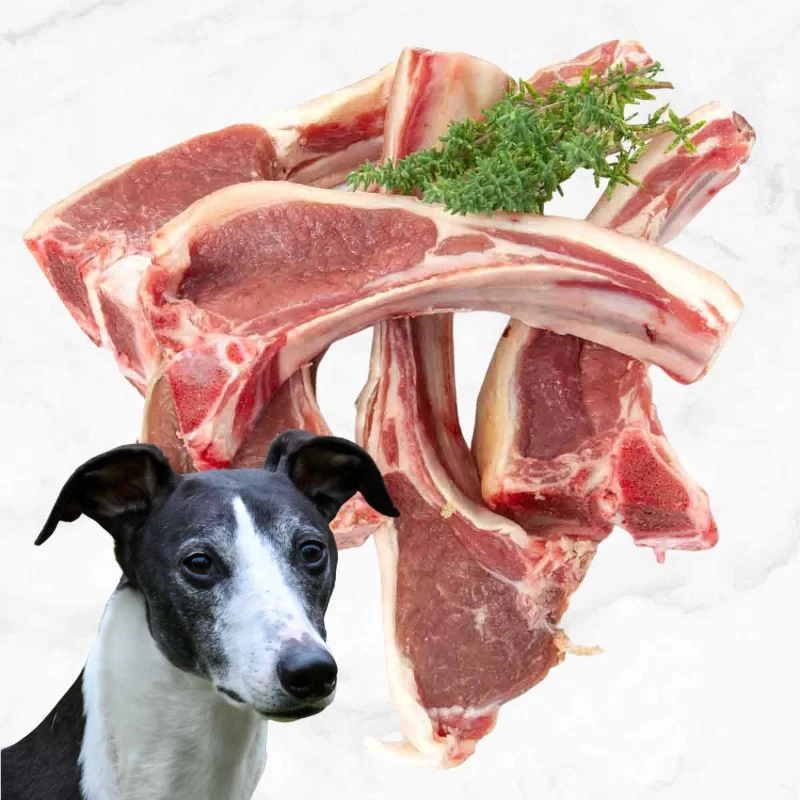
- can-dogs-eat-cooked-lamb-safely - Can Dogs Eat Cooked Lamb Safely?
- benefits-of-feeding-lamb-to-dogs - Nutritional Benefits of Cooked Lamb for Dogs
- risks-and-precautions-when-feeding-lamb - Risks and Precautions You Should Know
- real-experiences-of-dog-owners - Real Stories: What Dog Owners Say About Lamb
- how-to-prepare-cooked-lamb-for-dogs - Best Ways to Prepare Cooked Lamb for Your Dog
- vet-guidance-and-expert-recommendations - Veterinary Tips and When to Ask a Professional
1. Can Dogs Eat Cooked Lamb Safely?
Yes, dogs can eat cooked lamb—but with some important caveats. Cooked lamb can be a great source of protein for your dog if prepared properly and served in moderation. It’s essential to avoid adding seasoning, sauces, or bones when offering lamb to your dog, as these can cause serious health problems.
Cooked lamb, when plain and free of additives, is generally considered safe and even beneficial for most dogs. However, every dog is different. Some may tolerate lamb well, while others might develop allergies or digestive upset. If you’re unsure whether your dog is ready to handle lamb, you can consult with a trusted veterinary service like Hidden Brook Veterinary for tailored advice.

2. Nutritional Benefits of Cooked Lamb for Dogs
Lamb is packed with essential nutrients that can support a dog’s overall health. It's rich in protein, iron, zinc, and B vitamins—all of which are vital for energy production, immune function, and muscle development.
A medium-sized serving of lean lamb (cooked, no fat or bones) can provide a good boost of high-quality protein. It’s particularly helpful for active breeds that need more energy and muscle support. Some commercial dog foods even list lamb as a primary ingredient, indicating its value in canine nutrition.
However, lamb is also high in fat compared to other meats, so portion control is key. A little goes a long way, especially for smaller breeds or dogs prone to weight gain.

3. Risks and Precautions You Should Know
While cooked lamb can be healthy, it comes with risks if not handled correctly. One major concern is cooked bones. Never feed cooked lamb bones to your dog—they can splinter and cause choking or intestinal damage.
Another risk is seasoning. Garlic, onion, and certain herbs that are safe for humans are toxic to dogs. Even a small amount of seasoned lamb can lead to vomiting, diarrhea, or worse.
Food allergies are another factor. Though lamb is often recommended for dogs with food sensitivities, some may still react poorly. Watch for signs like itching, red skin, or digestive discomfort after feeding lamb. If you notice any of these symptoms, stop immediately and seek professional help. Hidden Brook Veterinary offers consultation options specifically for food-related issues in dogs.
4. Real Stories: What Dog Owners Say About Lamb
Many dog owners have successfully incorporated cooked lamb into their pet’s diet. Sana from Lahore shared that her Labrador had recurring issues with chicken-based food, but after switching to home-cooked lamb meals, his digestion and energy levels improved significantly.
On the other hand, Faizan, owner of a Shih Tzu, reported that his dog developed itching after just a few servings. A food allergy test confirmed lamb sensitivity. These contrasting stories highlight the importance of gradual introduction and close observation.
These experiences are a reminder that while lamb works well for many, it’s not a one-size-fits-all solution. Personalized care and observation are key.
5. Best Ways to Prepare Cooked Lamb for Your Dog
Preparing lamb for your dog is simple if you follow a few guidelines. First, choose lean cuts and trim visible fat. Avoid marinated or pre-seasoned meat. Then, cook it thoroughly by boiling or baking—avoid frying or grilling with oil.
Shred or chop the meat into small, manageable pieces and mix it with plain vegetables like carrots or pumpkin for added nutrients. Always ensure the food has cooled down before serving. And remember: no bones, no salt, and absolutely no garlic or onion.
For busy pet parents, there are prepared lamb-based dog meals and freeze-dried options available through curated services listed on Hidden Brook Veterinary. These are often nutritionally balanced and vet-approved.
6. Veterinary Tips and When to Ask a Professional
Before making any major changes to your dog’s diet, it’s smart to consult a vet. Introducing new proteins like lamb should be done gradually over several days to monitor any reactions.
Veterinarians recommend starting with a small piece—about a tablespoon—of cooked lamb mixed into your dog’s usual food. If no adverse reactions appear after 48 hours, you can increase the amount slowly. Keep an eye on stool consistency, energy levels, and skin condition.
Some dogs with kidney disease, pancreatitis, or specific allergies may need a completely different protein profile. That’s where a visit to Hidden Brook Veterinary can be helpful—they provide personalized nutritional consultations that go beyond generalized advice.
In summary, cooked lamb can be a great addition to your dog’s diet if handled responsibly. With the right preparation and professional input, you can safely offer this delicious treat to your furry companion.