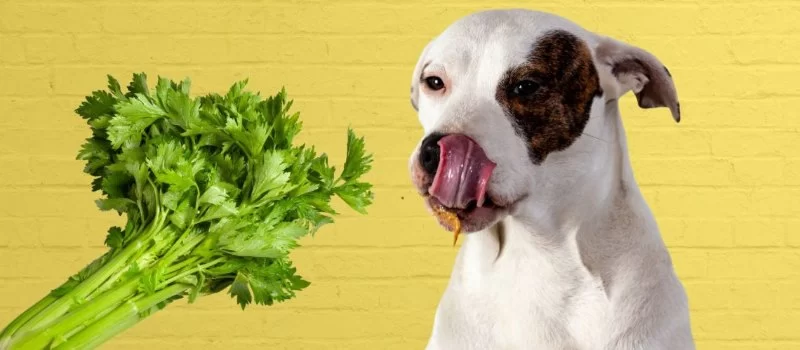
- can-dogs-eat-celery-sticks-safely
- nutritional-benefits-of-celery-for-dogs
- how-to-prepare-celery-sticks-for-dogs
- potential-risks-and-warning-signs
- real-life-experience-what-happened-when-my-dog-tried-celery
- expert-recommendations-and-veterinary-advice
1. Can Dogs Eat Celery Sticks Safely?
Yes, dogs can eat celery sticks in moderation, and for many dogs, it can be a healthy and crunchy treat. However, just because celery is non-toxic doesn’t mean it’s suitable for every dog or in every quantity. Like any new food, it’s essential to introduce it slowly and monitor your pet’s reaction.
Celery is often used as a low-calorie snack for humans, but it also holds certain nutritional benefits for dogs. However, proper preparation and portion control are key. The fibrous texture can pose a choking hazard if not served correctly, especially for small breed dogs.

2. Nutritional Benefits of Celery for Dogs
2.1 A Natural Source of Vitamins
Celery is rich in vitamin K, vitamin A, vitamin C, and some B vitamins, which can support your dog’s immune system, vision, and skin health. Vitamin K, in particular, supports healthy blood clotting and bone health.

2.2 Low-Calorie and Hydrating Snack
For dogs on a weight management program, celery is a great treat. It’s very low in calories and high in water content—ideal for overweight pets who need a satisfying crunch without the added fat or sugar. This is particularly helpful during warm seasons when hydration is key.
2.3 Freshens Breath Naturally
Thanks to its crunchy texture and natural water content, celery can help clean teeth and freshen your dog’s breath. It’s not a replacement for regular dental care, but it can be a helpful supplement.
3. How to Prepare Celery Sticks for Dogs
3.1 Wash Thoroughly
Celery should always be washed to remove pesticides and dirt. Even organic celery can carry bacteria or residues that are harmful to dogs.
3.2 Chop into Bite-Sized Pieces
To avoid choking, especially in smaller breeds or puppies, cut celery into small, manageable pieces. Long, fibrous stalks can cause gagging or blockages if swallowed whole.
3.3 Serve Plain, Not with Dips
Never serve celery with peanut butter, cream cheese, or dips containing xylitol, garlic, or onions. These substances are toxic to dogs. Keep it simple and stick to plain celery.
4. Potential Risks and Warning Signs
4.1 Gastrointestinal Distress
Too much celery can lead to upset stomachs, including gas, bloating, or diarrhea. If it’s your dog’s first time trying celery, begin with a small piece and monitor for signs of discomfort.
4.2 Choking Hazard
Dogs that gulp food without chewing are particularly vulnerable to choking. Always supervise snack time and ensure celery is cut into dog-appropriate sizes.
4.3 Allergic Reactions
Though rare, some dogs may have an intolerance or allergy to celery. If you notice itching, hives, or difficulty breathing, stop feeding immediately and consult a vet.
5. Real-Life Experience: What Happened When My Dog Tried Celery
When I first gave my Labrador, Max, a celery stick, he sniffed it with suspicion. I chopped it into tiny bits and mixed it with his kibble. To my surprise, he loved the crunch. Over time, it became a weekly treat, especially during hot days when he needed extra hydration. However, I did notice once that when I gave him a larger chunk, he almost choked—reminding me just how important portion size is.
This experience taught me to never assume a healthy food is automatically safe in all forms. If you're unsure, it's always best to consult professionals like the team at Hidden Brook Veterinary, where you can also find tailored recommendations for treats and safe dog snacks.
6. Expert Recommendations and Veterinary Advice
6.1 Moderation Is Key
Veterinarians agree that celery can be a healthy snack when used occasionally and appropriately. It should never replace a balanced dog diet but can be a part of a varied and enjoyable treat regimen.
6.2 Best for Specific Dog Types
Celery is most suitable for adult dogs with good dental health and normal digestive function. For senior dogs or puppies, consult your vet before adding raw vegetables to their diet.
6.3 Where to Find the Right Guidance
If you want personalized advice based on your dog’s breed, size, and health status, reach out to professionals. At Hidden Brook Veterinary, our experts provide tailored guidance and can recommend vet-approved snacks, including alternatives for sensitive stomachs.