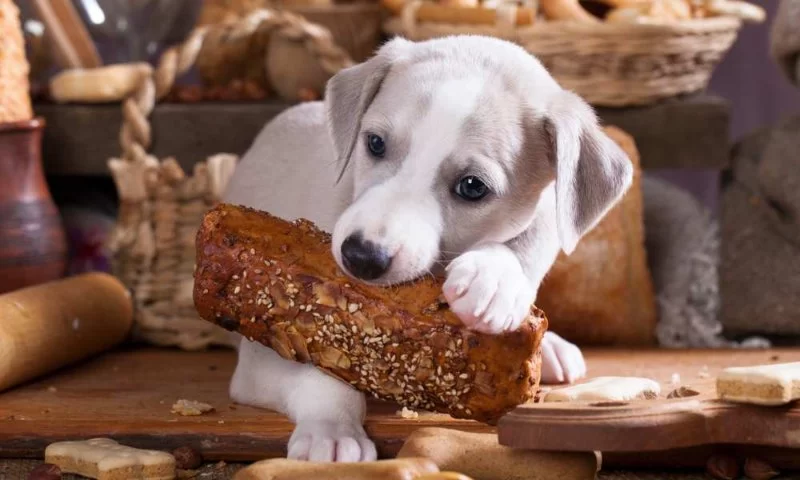
- 1 - Can Dogs Eat Bread Dough: Why It’s a Dangerous Question
- 2 - How Bread Dough Affects a Dog’s Body
- 3 - Symptoms of Bread Dough Poisoning in Dogs
- 4 - Real-Life Cases of Dogs Eating Bread Dough
- 5 - Treatment Options When Dogs Eat Bread Dough
- 6 - Safe Alternatives to Bread Dough for Dogs
- 7 - Preventing Accidents with Bread Dough in Homes
- 8 - Caring for Your Dog’s Health with Professional Support
1. Can Dogs Eat Bread Dough: Why It’s a Dangerous Question
Many dog owners ask, “Can dogs eat bread dough?” The answer is a firm no. While baked bread may be relatively harmless in small amounts, raw bread dough presents a serious and potentially life-threatening danger to dogs. The problem lies in the yeast, which continues to ferment inside a dog’s warm stomach, producing carbon dioxide and alcohol. This dangerous process can lead to bloating, alcohol poisoning, and in severe cases, even death. Understanding these risks is the first step in protecting your dog from accidental ingestion of raw dough.

2. How Bread Dough Affects a Dog’s Body
When a dog eats bread dough, the yeast inside the dough keeps fermenting. A dog’s stomach provides the perfect environment for yeast expansion, turning a small piece of dough into a balloon-like mass that stretches the stomach walls. This condition, called gastric dilatation, can cause extreme discomfort and restrict blood flow. At the same time, the fermentation process produces ethanol, which is rapidly absorbed into the bloodstream. Dogs are extremely sensitive to alcohol, and even small amounts can result in serious toxicity. That’s why veterinarians strongly warn against giving any form of unbaked dough to pets.

3. Symptoms of Bread Dough Poisoning in Dogs
The signs of bread dough ingestion can appear within 30 minutes to 2 hours. Common symptoms include severe bloating, excessive drooling, unsteady movements, and vomiting. In advanced cases, dogs may become disoriented, collapse, or show signs of seizures. The presence of alcohol poisoning adds another layer of danger, with symptoms like depressed breathing, low body temperature, and even coma. Any suspicion that a dog has eaten raw dough should be treated as an emergency. Quick recognition of these warning signs can be lifesaving.
4. Real-Life Cases of Dogs Eating Bread Dough
Stories from pet owners and veterinary clinics illustrate just how dangerous bread dough can be. For instance, one Golden Retriever named Daisy managed to sneak raw pizza dough from the counter. Within an hour, Daisy’s stomach had swollen dramatically, and she was stumbling around as if intoxicated. A rushed visit to the vet confirmed alcohol toxicity from the fermenting dough. Thanks to quick action, Daisy survived, but her story serves as a cautionary tale for others. These real-life experiences highlight the importance of keeping raw dough out of your dog’s reach.
5. Treatment Options When Dogs Eat Bread Dough
If your dog eats bread dough, immediate veterinary attention is crucial. Treatment often begins with inducing vomiting if ingestion occurred recently. In cases of severe bloat, surgery may be required to relieve stomach pressure. IV fluids, medications, and supportive care help counteract the effects of ethanol toxicity. Veterinary clinics such as Hidden Brook Veterinary have the tools and expertise to stabilize dogs quickly, giving them the best chance at recovery. Delaying treatment can be fatal, so pet owners should never take a “wait and see” approach in such situations.
6. Safe Alternatives to Bread Dough for Dogs
While bread dough is unsafe, there are plenty of safe treats for dogs. Small pieces of plain, baked bread (without garlic, onion, or raisins) can be given in moderation. Better options include dog-friendly snacks like carrots, apples, or specially made dog biscuits. Many pet owners also prepare homemade dog treats using safe ingredients such as pumpkin, oats, and peanut butter. Providing healthier alternatives ensures your dog doesn’t feel left out when you’re baking, while also preventing dangerous accidents. Always consult with your vet before introducing new foods into your dog’s diet.
7. Preventing Accidents with Bread Dough in Homes
Prevention is the best protection. Dogs are naturally curious and may grab food left unattended on counters. Keeping raw dough in covered containers or inside the oven while rising can help prevent access. Training dogs with strong “leave it” commands also reduces risks. Families who bake often should make it a habit to keep dogs out of the kitchen during food preparation. Simple preventive steps can protect your furry friend from a potentially deadly mistake.
8. Caring for Your Dog’s Health with Professional Support
Dog owners must remain vigilant about what their pets eat. Asking “Can dogs eat bread dough?” reflects a responsible mindset, but the answer makes it clear that prevention is key. Bread dough can lead to life-threatening emergencies, but awareness and preparation can save lives. If your dog ever consumes something dangerous, professional help is essential. Trusted clinics like Hidden Brook Veterinary provide expert care and guidance, ensuring your dog gets the best treatment possible. By combining knowledge, prevention, and professional support, you can keep your pet safe and healthy for years to come.