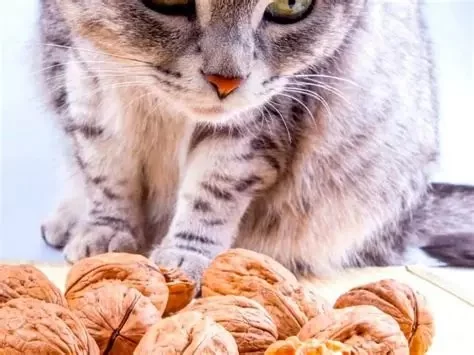
Can Cats Eat Walnuts? Understanding the Risks and Benefits
- 1. Are Walnuts Safe for Cats?
- 2. The Nutritional Value of Walnuts for Cats
- 3. Potential Risks of Feeding Walnuts to Cats
- 4. What to Do if Your Cat Eats Walnuts
- 5. Safe Alternatives to Walnuts for Cats
1. Are Walnuts Safe for Cats?
Walnuts are a popular snack for humans, but what about cats? While many foods that are safe for us are not suitable for our feline companions, walnuts are generally not toxic to cats. However, that doesn't necessarily mean they are safe for consumption. In fact, there are several important considerations to keep in mind when it comes to feeding walnuts to your cat.

2. The Nutritional Value of Walnuts for Cats
Walnuts are rich in essential nutrients like omega-3 fatty acids, protein, and antioxidants, which are great for human health. However, cats are obligate carnivores, meaning they require a diet that is primarily animal-based. While some of the nutrients in walnuts might seem beneficial, they are not an appropriate source of nutrition for your cat. Their digestive systems are not designed to process plant-based foods like walnuts.

3. Potential Risks of Feeding Walnuts to Cats
While walnuts are not toxic to cats, there are several potential risks associated with feeding them to your pet:
1. High Fat Content
Walnuts are high in fat, which, when consumed in large quantities, can lead to obesity in cats. Over time, this can also contribute to other health issues like pancreatitis, a potentially serious condition where the pancreas becomes inflamed. Cats that eat too many high-fat foods can also develop digestive problems, including diarrhea and vomiting.
2. Choking Hazard
The texture of walnuts makes them a choking hazard, especially if they are not chopped or broken into smaller pieces. Cats tend to chew their food less thoroughly than humans, increasing the risk of choking on larger walnut pieces.
3. Toxic Mold
Another important concern with walnuts is the potential for mold contamination. Walnuts, especially those that have been improperly stored or left for long periods, can develop mold, which can be toxic to cats. Mycotoxins produced by mold can cause serious health problems, including liver failure and neurological issues.
4. What to Do if Your Cat Eats Walnuts
If your cat has eaten a small amount of walnut, there is usually no need to panic. However, you should monitor your cat for any signs of distress, such as vomiting, diarrhea, lethargy, or changes in behavior. If you notice any unusual symptoms, it is best to contact your veterinarian right away for advice on how to proceed.
5. Safe Alternatives to Walnuts for Cats
If you're looking to treat your cat with a healthy snack, there are several safer alternatives to walnuts that your cat will enjoy:
1. Cat-Specific Treats
There are many cat treats available on the market that are specifically designed to be both safe and nutritious for cats. Look for treats that are high in protein and low in fat to help maintain your cat's health. Be sure to check the ingredients and avoid treats with added sugars or artificial preservatives.
2. Cooked Meat
Cooked chicken, turkey, or other lean meats are excellent alternatives to walnuts. Cats love meat, and it provides the protein and amino acids they need to stay healthy. Always ensure that the meat is cooked without any added spices, salt, or oils.
3. Catnip
For a more playful treat, consider offering your cat catnip. Many cats find catnip irresistible, and it can be a fun and safe way to entertain your pet.
In conclusion, while walnuts are not toxic to cats, they pose several risks due to their high fat content, potential for mold contamination, and the choking hazard they present. It's best to avoid giving walnuts to your cat and stick to pet-safe treats and foods that are better suited to their dietary needs.