- 1-Can Cats Eat Vanilla Ice Cream?
- 2-Why Ice Cream is Not Ideal for Cats
- 3-What Happens if Cats Eat Ice Cream?
- 4-Safe Alternatives to Ice Cream for Cats
- 5-How to Keep Your Cat Happy and Healthy
1-Can Cats Eat Vanilla Ice Cream?
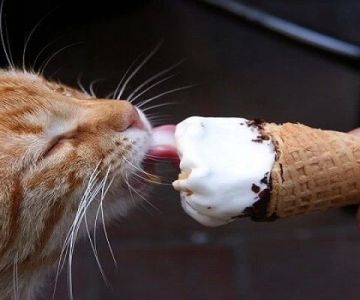
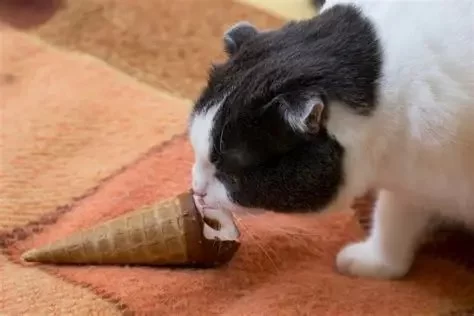
If you've ever wondered, "Can cats eat vanilla ice cream?", the short answer is: it's not a good idea. While the occasional taste might not cause immediate harm, vanilla ice cream is not suitable for cats and can potentially lead to digestive issues and other health problems. Cats are obligate carnivores, which means their digestive systems are designed to process meat, not dairy products like ice cream.
Although your cat may love the sweet taste, it’s important to be aware of the risks. Let’s take a closer look at why vanilla ice cream is not the best treat for your furry friend and what you can offer instead to keep them safe and happy.

2-Why Ice Cream is Not Ideal for Cats
There are several reasons why ice cream, particularly vanilla ice cream, is not suitable for cats:
- Lactose Intolerance: Many cats are lactose intolerant, which means their digestive systems can’t properly break down lactose, the sugar found in milk. This can lead to uncomfortable symptoms such as diarrhea, bloating, and gas.
- High Sugar Content: Vanilla ice cream contains a significant amount of sugar, which can contribute to obesity, diabetes, and dental issues in cats. Cats don’t need sugar in their diets, and it can lead to long-term health problems.
- Artificial Ingredients: Ice cream often contains artificial flavors, colors, and preservatives that aren’t suitable for cats. These additives can cause gastrointestinal upset or allergic reactions in some pets.
Because cats have unique dietary needs, it’s important to avoid feeding them treats that are specifically designed for humans. While a small amount of vanilla ice cream may seem harmless, it's best to steer clear of giving your cat dairy or sugary treats.

3-What Happens if Cats Eat Ice Cream?
If your cat eats a small amount of vanilla ice cream, they might experience some mild digestive upset, such as diarrhea or stomach discomfort. In most cases, a single taste may not cause serious harm, but repeated consumption can lead to more significant health problems.
In some instances, lactose-intolerant cats might experience more severe symptoms, including vomiting, bloating, and dehydration. If you notice any of these symptoms, it’s a good idea to consult your veterinarian, especially if your cat’s condition doesn’t improve within a few hours.
If your cat has consumed a large amount of ice cream or any other potentially harmful food, it’s always best to seek professional advice. Vets can provide guidance on what steps to take next, and in severe cases, they may recommend treatment for dehydration or digestive upset.
4-Safe Alternatives to Ice Cream for Cats
Instead of giving your cat vanilla ice cream, there are plenty of safe and healthy alternatives that they’ll love. Here are some ideas for tasty treats that are better suited to your cat’s dietary needs:
- Cat-Safe Frozen Treats: You can make your own frozen treats by blending tuna juice, chicken broth, or pureed pumpkin (without added spices) and freezing them in small molds. These are delicious and safe for your cat to enjoy.
- Commercial Cat Treats: There are many commercial cat treats available that are specifically designed to be both tasty and nutritious. Look for ones that contain natural ingredients and avoid artificial additives.
- Catnip: Many cats love catnip, and it can be a fun, safe treat to offer. While it won’t replace ice cream, it’s a great way to add variety to your cat’s snack options.
These alternatives will allow you to spoil your cat without risking their health. When choosing cat treats, always ensure they are designed specifically for feline digestion and avoid giving them human foods that may cause harm.
5-How to Keep Your Cat Happy and Healthy
Managing your cat’s diet is key to keeping them happy and healthy. In addition to offering safe treats, here are some tips for maintaining your cat’s overall well-being:
- Regular Veterinary Checkups: Keep up with your cat’s regular vet visits to monitor their health, including weight, dental health, and any signs of dietary issues.
- Provide a Balanced Diet: Ensure your cat’s main diet consists of high-quality, nutritionally balanced cat food. Avoid feeding them too many table scraps or human foods, as these can lead to obesity and other health concerns.
- Engage in Playtime: Keeping your cat mentally and physically stimulated through play is just as important as their diet. Regular exercise helps maintain a healthy weight and prevents boredom-related behaviors.
If you’re looking for more ways to improve your cat’s diet and overall health, check out Hidden Brook Veterinary for expert advice, products, and services designed to help you care for your feline companion.