- 1-Understanding-the-ingredients-in-tomato-based-sauces
- 2-why-tomato-based-sauces-are-dangerous-for-cats
- 3-can-cats-eat-cooked-tomatoes
- 4-alternatives-to-tomato-based-sauces-for-cats
- 5-how-to-safely-feed-your-cat-healthy-foods
1. Understanding the Ingredients in Tomato-Based Sauces
Tomato-based sauces are a staple in many kitchens and often feature tomatoes, garlic, onions, herbs, and spices. While tomatoes themselves are not toxic to cats in small quantities, the other ingredients in tomato sauces, particularly garlic and onions, can be harmful. Garlic and onions, both common ingredients in many pasta sauces, can cause severe digestive issues, lethargy, and even organ damage in cats. Therefore, while the tomato itself is not the primary concern, the other components often found in tomato-based sauces make them unsuitable for feline consumption.

2. Why Tomato-Based Sauces Are Dangerous for Cats
Tomato sauces can contain high levels of acidic ingredients, and when consumed in excess, they may cause digestive upset in cats. But the most serious risks come from the presence of garlic and onions, which are toxic to cats, even in small amounts. Garlic and onions contain compounds known as thiosulfates, which can damage a cat's red blood cells, leading to hemolytic anemia. Symptoms of this condition include weakness, lethargy, and a decrease in appetite. Therefore, it's best to avoid feeding tomato-based sauces to your cat altogether, as even small amounts could cause a significant health risk.

3. Can Cats Eat Cooked Tomatoes?
While raw tomatoes can be toxic to cats due to the presence of solanine (a toxic compound found in the stems and leaves of tomatoes), cooked tomatoes may not be as dangerous in small amounts. However, cooking does not neutralize the harmful effects of garlic, onions, or any additional seasonings often found in tomato-based sauces. So, even if you use fresh, ripe tomatoes in a homemade sauce, the other ingredients could still be dangerous for your cat. It's always important to be cautious when introducing any new foods to your pet’s diet, especially foods that contain ingredients like garlic or onions.
4. Alternatives to Tomato-Based Sauces for Cats
If you want to treat your cat to something special, there are plenty of safe alternatives to tomato-based sauces. Cats love food with strong flavors and a bit of variety, but it’s essential to provide options that don’t contain harmful ingredients. Here are some ideas:
1. Pureed Pumpkin
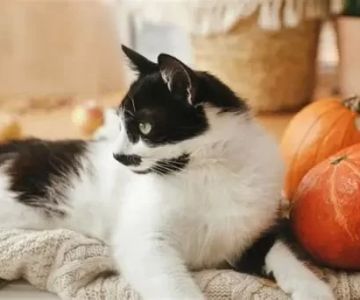
Pureed pumpkin is not only safe for cats but also beneficial for their digestive health. It can help regulate digestion and is rich in fiber. Serve it plain, without any added sugar, salt, or spices.
2. Plain Chicken or Turkey
Meat is always a great treat for cats. Cooked, unseasoned chicken or turkey is easy to digest and provides protein, which is crucial for their health. Avoid any sauce or seasoning, especially garlic or onions.
3. Canned Cat Food with Gravy
If you’re looking for an option that’s already prepared, many cat food brands offer wet food with gravy, which cats love. These are specifically formulated for feline nutrition, ensuring that your cat gets the proper balance of nutrients without the risk of harmful ingredients.
5. How to Safely Feed Your Cat Healthy Foods
Feeding your cat a balanced and healthy diet is important for their well-being. Here are some tips to help you ensure that your cat’s meals are safe and nutritious:
1. Stick to Cat-Specific Foods
Always try to feed your cat foods that are specifically designed for felines. These are formulated to meet their nutritional needs, which are different from those of humans or dogs. If you want to introduce new foods like vegetables or meats, do so in moderation and make sure they are safe for cats.
2. Avoid Harmful Ingredients
There are several foods that are harmful to cats, including onions, garlic, chocolate, alcohol, and caffeine. When preparing food for your cat or sharing your meals, be mindful of these dangerous ingredients. Always double-check that any human food you offer is safe for your feline friend.
3. Consult Your Veterinarian
If you’re unsure about what foods are appropriate for your cat, it’s always a good idea to consult your veterinarian. They can provide personalized advice based on your cat’s health, breed, and dietary needs. For example, some cats may have food sensitivities or medical conditions that require special dietary considerations.
In conclusion, while it’s tempting to share your tomato-based dishes with your cat, it’s best to avoid offering any foods containing garlic, onions, or acidic components. Instead, opt for safe and nutritious alternatives that promote your cat’s health and well-being. At Hidden Brook Veterinary, we offer advice and products tailored to your pet’s needs, ensuring they stay happy and healthy for years to come.