Can Cats Eat Sweet Corn on the Cob?
- Introduction to Cats and Sweet Corn
- Risks of Feeding Sweet Corn to Cats
- Healthy Alternatives for Cats
- Expert Advice from Veterinarians
As a cat owner, you may have wondered if it’s safe to share some of your snacks with your feline friend, especially when it comes to sweet corn on the cob. Sweet corn is a popular and tasty treat for many people, but can it be just as good for your cat? While it’s generally safe to share small amounts of some human foods with your cat, sweet corn can present some concerns. In this article, we’ll explore whether cats can eat sweet corn on the cob, and provide some insights into how this food might affect your cat’s health.

Risks of Feeding Sweet Corn to Cats
While cats are obligate carnivores, meaning their diet mainly consists of meat, it’s natural for some pet owners to want to share plant-based foods like vegetables with their cats. However, not all human foods are safe for feline consumption. Sweet corn on the cob might seem harmless, but there are several risks associated with feeding it to your cat:

1. Digestive Issues
Cats’ digestive systems are not designed to process plant material efficiently. While small amounts of cooked corn kernels may be digestible, the cob itself can pose significant digestive issues. It’s tough and fibrous, which means your cat’s digestive system might struggle to break it down. This can lead to discomfort, constipation, or even blockage, which may require medical attention.
2. Choking Hazard
Another major concern with sweet corn on the cob is the risk of choking. The cob is large and difficult to chew, making it a potential choking hazard. If your cat tries to swallow a piece of the cob, it could become stuck in their throat, leading to serious health risks. It’s important to always monitor your cat while they are eating any food that is not specifically designed for them.
3. Allergies and Sensitivities
Just like humans, some cats may have allergies or sensitivities to certain foods. Corn is not a common allergen for cats, but it is still possible for your cat to experience an adverse reaction. Signs of an allergic reaction may include vomiting, diarrhea, or skin rashes. If your cat exhibits any of these symptoms after consuming sweet corn, it’s best to consult with your veterinarian immediately.
Healthy Alternatives for Cats
If you want to treat your cat with something special, it’s important to choose foods that are safe and beneficial for them. While sweet corn on the cob is not recommended, there are many healthy alternatives that your cat will enjoy:
1. Cooked Meat
As obligate carnivores, cats thrive on meat-based diets. Cooked chicken, turkey, or beef can be a great treat for your cat. Just be sure to avoid seasoning or adding any harmful ingredients like onions or garlic. Offering small pieces of cooked meat will satisfy your cat's protein needs while keeping them healthy.
2. Cat-Specific Treats
There are plenty of commercially available cat treats that are specially formulated for feline dietary needs. These treats often contain added nutrients, vitamins, and minerals that support your cat's health. You can find treats that focus on dental health, hairball prevention, and more, ensuring that your cat is getting a nutritious snack.
3. Cooked Vegetables (in moderation)
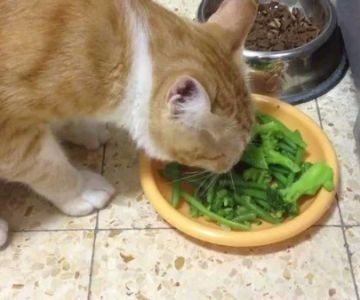
If your cat enjoys vegetables, you can offer small amounts of cooked, non-toxic vegetables like carrots, peas, or pumpkin. These can provide fiber and additional nutrients without the risks associated with sweet corn. Always cook the vegetables thoroughly and serve them without any seasoning.
Expert Advice from Veterinarians
According to veterinarians, it’s essential to be cautious when feeding cats human food. While some foods may be safe in moderation, others can lead to digestive problems or more serious health issues. Always consult with your veterinarian before introducing new foods to your cat’s diet. They can help guide you on which treats are safe and suitable for your pet's unique health needs.
If you have any concerns about your cat’s diet or are unsure about what foods are safe, consider visiting Hidden Brook Veterinary for professional advice and services tailored to your pet's health and well-being. A qualified vet can ensure your cat is eating a balanced diet that supports their overall health and longevity.