- 1- Can-Cats-Eat-Sunflower-Seeds-Safely #can-cats-eat-sunflower-seeds-safely
- 2- Why-Sunflower-Seeds-Appeal-to-Cats #why-sunflower-seeds-appeal-to-cats
- 3- Potential-Health-Risks-for-Felines #potential-health-risks-for-felines
- 4- Are-There-Any-Benefits #are-there-any-benefits
- 5- Real-Examples-of-Cats-Eating-Sunflower-Seeds #real-examples-of-cats-eating-sunflower-seeds
- 6- How-to-Offer-Sunflower-Seeds-Safely #how-to-offer-sunflower-seeds-safely
- 7- Health-Signs-to-Watch-For #health-signs-to-watch-for
- 8- When-to-Consult-a-Veterinarian #when-to-consult-a-veterinarian
1. Can Cats Eat Sunflower Seeds Safely?
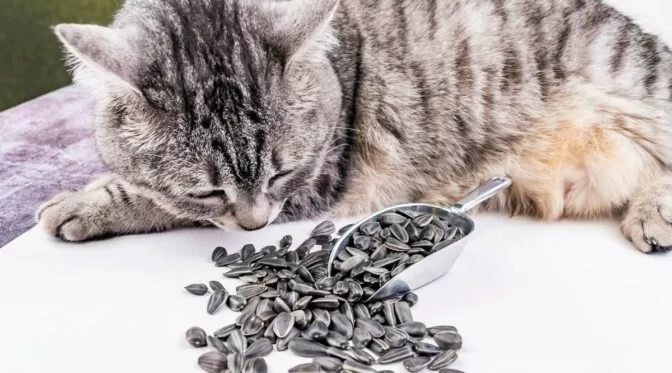
Many owners ask, can cats eat sunflower seeds, often because their feline shows curiosity toward snacks normally enjoyed by humans. The short answer is: sunflower seeds are not toxic to cats, but they should be offered cautiously and in very small amounts.
Cats have a digestive system designed for a carnivore’s lifestyle. While their bodies can process tiny portions of plant material, foods like seeds are not nutritionally essential. Understanding how sunflower seeds affect the feline body helps ensure their diet remains safe and well-balanced.
If you ever feel uncertain about whether a particular treat is safe, professionals at Hidden Brook Veterinary can provide personalized dietary recommendations based on your cat’s age, weight, and health conditions.

2. Why Sunflower Seeds Appeal to Cats
Cats may show interest in sunflower seeds for several reasons. First, cats are naturally curious, especially when they smell food you’re eating. The crunch, the salty aroma, or even the sound of the bag can attract them.
Another reason is behavioral mimicry—cats often want to explore foods their owners seem excited about. While this can be entertaining, it also highlights the need for owners to learn which foods are safe to share and which aren’t.
Some cats may simply enjoy the texture of seeds. However, enjoying the flavor doesn’t always mean the food is good for them, so supervision is essential.

3. Potential Health Risks for Felines
Although sunflower seeds are not poisonous, they come with risks when fed improperly. These risks are especially important for cat owners to understand before offering even a small taste.
1. Salt and Seasoning Concerns
Most sunflower seeds sold in stores are salted or seasoned. Salt can quickly lead to dehydration or sodium toxicity in cats because their bodies are far more sensitive to salt than humans.
2. Choking Hazard
The shells, in particular, can pose a choking risk. Cats have small throats, and the sharp edges of seed shells can irritate or injure their digestive tract.
3. Digestive Upset
Because sunflower seeds are high in fat, even small amounts can cause vomiting, diarrhea, or stomach discomfort. Cats whose diets change suddenly may display sensitivity to foods outside their normal nutrition plan.
4. Risk of Pancreatitis
Cats with a history of pancreatitis or digestive problems should never eat sunflower seeds. The fat content may trigger flare-ups or worsen chronic conditions.
4. Are There Any Benefits?
Surprisingly, when seeds are unsalted, shelled, and offered sparingly, there can be minor health benefits. Sunflower seeds contain:
• Vitamin E, which supports skin health
• Healthy fats that can contribute to coat shine
• Minerals like selenium and magnesium
However, these nutrients are not necessary for a cat’s diet and can be obtained through commercial cat foods that are formulated specifically to meet feline needs.
5. Real Examples of Cats Eating Sunflower Seeds
A widely shared social media story involved a cat named June who stole sunflower seeds while her owner was watching a baseball game. The video sparked debate over whether cats can eat sunflower seeds safely. June experienced temporary digestive upset, reminding pet owners that curiosity can sometimes come with consequences.
Another owner reported her cat swatting sunflower seeds around like toys before chewing one. After consulting a veterinarian, she learned that while the seed itself wasn’t harmful, the shells posed real danger. These examples reflect how critical it is to supervise cats around human snacks—even if the food doesn’t seem dangerous.
Stories like these emphasize that understanding the question can cats eat sunflower seeds is essential for responsible ownership.
6. How to Offer Sunflower Seeds Safely
If you decide to let your cat try a sunflower seed, careful steps help reduce risks.
1. Only Use Unsalted, Unflavored Seeds
Choose natural seeds with no added salt or flavoring. Anything flavored with onion, garlic, or spices can harm your cat and should be avoided completely.
2. Remove the Shells
This prevents choking and protects their digestive system. The shell is by far the most dangerous part.
3. Keep Portions Tiny
One or two seeds are more than enough. Cats should never eat sunflower seeds as a regular treat, let alone part of their diet.
4. Monitor for Reactions
If your cat shows vomiting, drooling, diarrhea, or lethargy, discontinue immediately and consult a veterinarian.
7. Health Signs to Watch For
After eating sunflower seeds, cats may show subtle signs of discomfort. It’s important to observe them closely, as early detection helps prevent bigger issues.
• Excessive thirst (possibly due to salt exposure)
• Pawing at the mouth
• Repeated swallowing or gagging
• Difficulty defecating (from shells)
• Lethargy or reduced appetite
If any of these signs occur, reaching out to a professional is the safest option.
8. When to Consult a Veterinarian
If you're ever unsure about whether your cat's food choices are safe—whether it’s sunflower seeds, fruits, vegetables, or commercial treats—a veterinarian can help guide you toward safer habits. Cats with chronic conditions or older felines may be at higher risk for digestive or dietary complications.
You can always visit Hidden Brook Veterinary for trusted advice, nutritional plans, and professional guidance specific to your cat’s health needs. Their team provides personalized recommendations and can help ensure that your feline is always eating safely.