Can Cats Eat Raw Meat: What Pet Owners Should Know
- #Understanding-Raw-Meat-Diets-for-Cats
- #Benefits-and-Risks-of-Feeding-Raw-Meat
- #How-to-Safely-Prepare-Raw-Meat-for-Cats
- #Real-Life-Stories-and-Popular-Online-Debates
- #When-to-Consult-a-Veterinarian
1. Understanding Raw Meat Diets for Cats
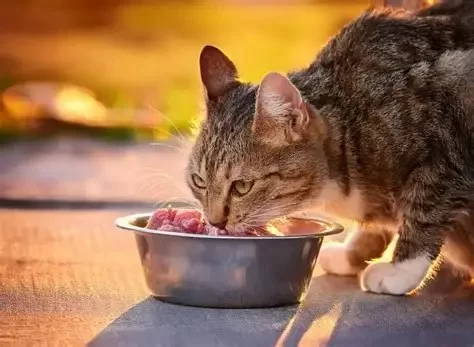
Many pet owners in the United States search for clear answers to the question, Can cats eat raw meat? Since cats are obligate carnivores, it may seem natural to consider raw diets. Their wild ancestors thrived on freshly hunted prey, and today’s domestic cats still possess sharp teeth, strong jaws, and digestive tracts built to process animal protein. But despite their evolutionary background, the suitability of raw meat in a home setting is not always straightforward.
Raw feeding has gained attention due to trends on social media where owners share videos of cats enjoying uncooked chicken, beef, or even exotic proteins. However, those same platforms also highlight disagreements among veterinarians, nutritionists, and experienced cat owners. To make an informed choice, understanding the science and safety behind raw diets is essential.

2. Benefits and Risks of Feeding Raw Meat
Supporters of raw diets often claim improvements in energy levels, coat shine, and digestion. Some cats show enthusiasm for raw textures and flavors. In rare cases, picky eaters who avoid commercial foods may respond positively to the aroma and moisture content of raw meat. Observations like these contribute to the belief that cats naturally prefer uncooked food.
But the risks must be examined just as seriously. Raw meat can carry pathogens such as Salmonella, Listeria, or Campylobacter—bacteria that endanger not only cats but also the humans who handle their food. Even healthy cats shedding bacteria through their feces may unknowingly expose family members, especially children, pregnant individuals, or people with weakened immune systems.
Nutritional imbalance is another major concern. Feeding raw meat alone does not provide the essential vitamins, taurine, calcium, and amino acids cats require. Many online cases involve owners who fed plain chicken breast, believing it was “pure protein,” only to later discover their cats developed deficiencies. This is why veterinarians emphasize that if raw diets are used, they must be carefully formulated.

3. How to Safely Prepare Raw Meat for Cats
For owners who still choose to offer raw meat, safety and preparation become crucial elements of responsible care. Raw meat must be handled with the same caution used in professional kitchens—cold temperatures, clean surfaces, and proper storage.
One practical approach is freezing meat before serving, which can reduce certain parasites. Thawing should happen in the refrigerator rather than on countertops. Surfaces must be disinfected immediately after preparation to avoid cross-contamination. Many raw feeders also invest in stainless-steel bowls, which are easier to sanitize after each meal.
Balanced nutrition is just as important as cleanliness. Raw diets that include organ meat, bone meal, and vitamin supplementation attempt to replicate whole-prey nutrients. Owners often report working closely with veterinary nutritionists to design meals tailored to their cat’s age, health conditions, and activity level. Clinics like Hidden Brook Veterinary frequently provide assessments for pet parents unsure how to create a balanced feeding plan.
4. Real-Life Stories and Popular Online Debates
Recently, a viral video showed a Maine Coon enjoying a fully raw diet prepared by its owner, sparking millions of views and intense comment debates. Supporters called the cat’s coat “the healthiest they’d ever seen,” while critics pointed out the potential health risks that the owner didn’t mention. This incident mirrors the broader online divide—raw supporters emphasizing “natural diets” and skeptics warning about bacterial exposure.
Another widely discussed story involved a shelter cat whose chronic digestive issues improved only after transitioning to a commercial raw diet formulated by professionals. While this case generated positive attention, the shelter emphasized that the diet was professionally balanced and carefully monitored, not simply raw store- bought meat.
These real-world examples highlight why asking “Can cats eat raw meat?” requires more than a simple yes or no. Context, preparation, and professional guidance shape the outcome of every case.
5. When to Consult a Veterinarian
Veterinary guidance becomes essential whenever a pet owner is considering adjustments to a cat’s diet. Even small diet changes can have major effects on feline health, especially in kittens, seniors, or cats with illnesses like kidney disease or digestive disorders.
Warning signs such as vomiting, diarrhea, lethargy, or loss of appetite after eating raw meat should prompt immediate evaluation. If chronic infections or nutritional deficiencies develop, a veterinarian can help identify the underlying cause and recommend safer alternatives.
Clinics like Hidden Brook Veterinary offer nutrition consultations, diagnostic testing, and tailored feeding recommendations to help owners make confident, informed decisions. Working with experienced professionals ensures that cats receive the nutrients they need without unnecessary risks.
Whether owners embrace raw diets or prefer cooked or commercial options, understanding the principles behind safe feeding empowers them to support their cats’ long-term well-being.