- can-cats-eat-pickles
- are-pickles-safe-for-cats
- cats-and-pickles-food-safety
- feeding-pickles-to-cats
- cat-nutrition-tips
1. Can Cats Eat Pickles?
As pet owners, we often wonder whether it’s safe to share some of our favorite snacks with our furry companions. Pickles, with their tangy and salty flavor, might seem like an interesting treat to offer your cat, but is it really safe? The short answer is that while small amounts of pickle might not cause immediate harm, it's not the ideal snack for cats.
To understand why, it’s essential to consider what goes into pickles and how they affect your cat’s digestive system. Let’s explore the potential risks and benefits of feeding pickles to cats.

2. Are Pickles Safe for Cats?
2.1 The Ingredients in Pickles
Pickles are typically made by soaking cucumbers in a brine solution that contains salt, vinegar, and spices. While cucumbers themselves are non-toxic to cats, the brine used in pickling can be problematic. The high salt content in pickles can lead to salt poisoning in cats if consumed in large amounts, which can cause symptoms like excessive thirst, vomiting, diarrhea, or even seizures.
Moreover, vinegar, another key ingredient in pickles, can upset your cat’s stomach, leading to discomfort or digestive issues. It’s important to note that cats have different dietary needs than humans, and foods that are perfectly safe for us may not be suitable for them.

2.2 Cats’ Digestive System
Cats are obligate carnivores, meaning their digestive systems are designed to process animal proteins, not vegetables or heavily seasoned foods. While small amounts of cucumber (the main ingredient in pickles) are generally safe for cats, pickles themselves are not ideal due to the added salt and vinegar. Feeding your cat pickles regularly can lead to health issues, including dehydration and kidney stress from the excess sodium.
3. Feeding Pickles to Cats: What to Keep in Mind
3.1 Occasional Treat, Not a Regular Snack
If you absolutely must give your cat a taste of pickle, ensure that it’s a small, occasional treat. A small bite of plain cucumber without the brine could be a safer choice if you want to share this refreshing vegetable with your cat. However, it's essential to remember that even small amounts of pickle should not be a regular part of their diet.
3.2 What to Do if Your Cat Eats a Pickle
If your cat manages to sneak a pickle, don’t panic. Monitor them for any signs of distress, such as vomiting, excessive thirst, or lethargy. If you notice any unusual behavior or symptoms, contact your vet immediately. In most cases, a small amount will not cause long-term harm, but it’s always better to be cautious.
4. Cat Nutrition Tips: What to Feed Your Cat Instead
4.1 Stick to Cat-Safe Foods
While it’s tempting to share a bit of our food with our cats, their nutritional needs are best met with food designed specifically for them. High-quality cat food provides all the necessary nutrients that a cat needs to stay healthy, including protein, taurine, and vitamins. If you’re looking for a healthy treat for your cat, consider small pieces of cooked chicken, turkey, or specially formulated cat treats that are safe for their digestive system.
4.2 Fresh Vegetables for Cats
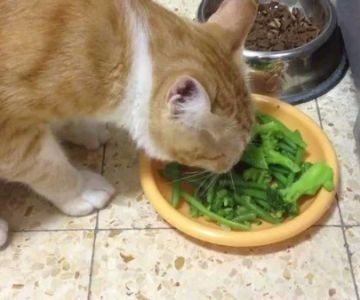
If you want to give your cat a vegetable treat, try offering small pieces of safe vegetables like carrots, peas, or green beans. These are not only safe for cats in small quantities but can also provide some additional fiber and hydration. Always make sure to introduce new foods slowly and watch for any adverse reactions.
4.3 Hydration and Fresh Water
Ensuring your cat is properly hydrated is essential for their overall health. Cats often don’t drink enough water, which can lead to urinary tract issues. Offering wet cat food or a cat water fountain can encourage your cat to drink more and maintain proper hydration levels.
If you want to learn more about keeping your cat healthy and happy, including the best food choices and treats for them, visit Hidden Brook Veterinary for expert advice and recommendations tailored to your cat’s unique needs.